

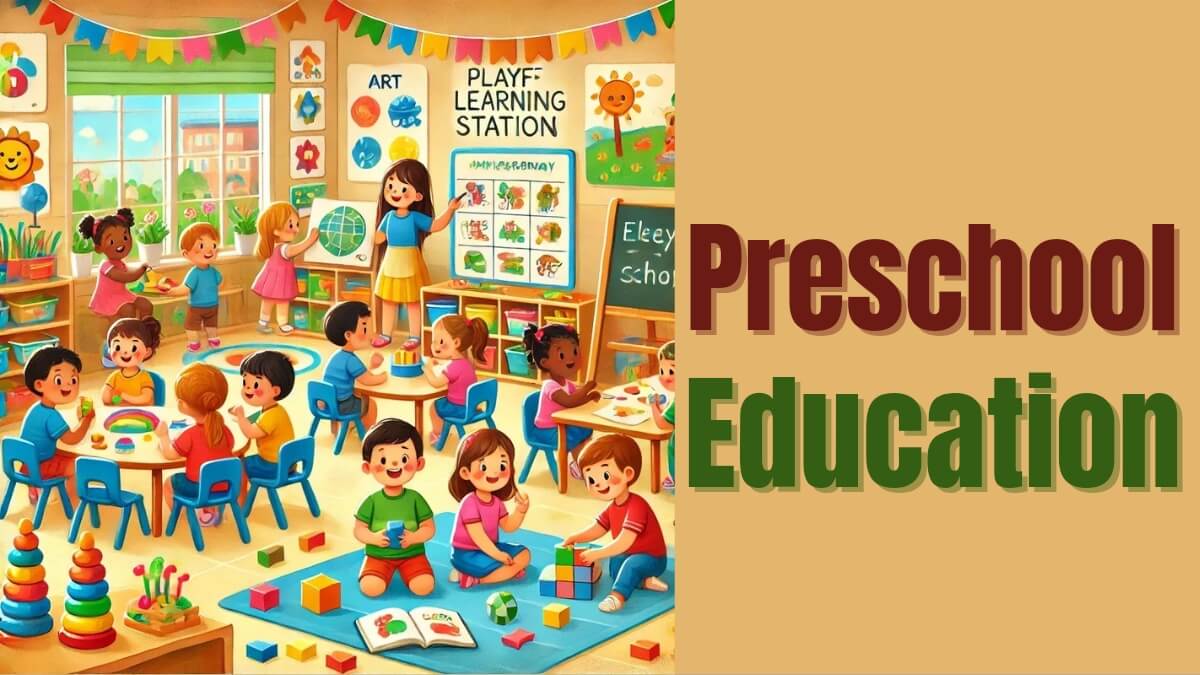
Preschool education is more than just early schooling; it’s a critical foundation for lifelong learning, growth, and well-being. In these formative years, children experience social, cognitive, and emotional development that influences how they approach learning in later stages. During this period of rapid brain growth, children learn essential skills through play, exploration, and structured activities that encourage curiosity and resilience. In a nurturing preschool environment, children develop communication skills, problem-solving abilities, and confidence—qualities that set them up for success in academic and social settings. Research shows that preschool children are better prepared for kindergarten and more likely to achieve future academic success. This guide dives into the importance of preschool education, offering tips for parents, educators, and policymakers on how to make the most of this crucial period and support children in reaching their full potential.
Preschool Education
Preschool education is a structured, early childhood learning program for children ages 3 to 5. It aims to build foundational skills through play, exploration and guided learning. Preschool is often considered a child’s “first formal step” into the world of education. In this setting, children engage in activities that support cognitive, social, and emotional growth, including group play, storytelling, and hands-on learning. These experiences help children learn to cooperate, communicate, and problem-solve. Research shows that early education benefits children long-term, as it fosters curiosity, resilience, and a love for learning.
Furthermore, preschool education supports language and motor skills, providing an environment where children learn both independently and in groups. According to early education experts, “Preschool is a vital building block in preparing children for lifelong learning.” In essence, preschool offers young learners the essential skills they need to enter kindergarten and beyond with confidence.
Why Preschool Education Matters
Preschool education is essential because it provides a structured, nurturing environment that introduces children to learning through interactive, age-appropriate activities. In preschool, children acquire foundational skills that help them thrive both academically and socially. As early childhood experts often say, “The foundation of learning begins in preschool,” where children learn key concepts such as language, numbers, and cooperation. These early lessons are crucial, as they encourage curiosity and lay the groundwork for more complex skills they’ll need later.
Through guided activities, preschoolers also build confidence in their abilities, which is essential for their future education. By learning to interact with peers and follow routines, they develop social skills and emotional resilience. Studies show that children who attend preschool tend to perform better in school, highlighting its impact on long-term academic success. In short, preschool education offers children the essential skills to embark on a lifelong journey of learning and growth.
Key Benefits of Preschool Education

Cognitive Development
At preschool age, children are like sponges, eagerly absorbing new ideas and concepts. Through structured activities like puzzles, counting games, and simple science experiments, their cognitive abilities begin to flourish. These activities do more than entertain—they actively stimulate cognitive growth by challenging children to think critically and solve problems. As they experiment, observe, and make connections, they learn to approach tasks with curiosity and perseverance. This groundwork in problem-solving and critical thinking becomes essential as they progress into more complex learning stages, providing them with the mental tools needed for success in both academic and everyday situations.
Social Skills
In preschool, learning to interact with peers is a central focus, shaping essential social skills. Through group activities, children practice communication, empathy, and teamwork by sharing resources and following basic rules. These experiences teach them to respect others’ perspectives and collaborate toward common goals. Furthermore, as they navigate these interactions, they gain confidence and learn to manage emotions, building resilience in the face of challenges. This early social development provides a solid foundation for smoother transitions into later school environments, where positive social interaction is key to learning, building friendships, and adapting successfully to new situations.
Language Acquisition
In preschool, language acquisition is nurtured through conversations, Storytime, and interactive play, which all actively support a child’s language development. As children are exposed to new vocabulary and encouraged to listen and express themselves verbally, they build essential skills that prepare them for reading and effective communication. Moreover, Storytime fosters imagination and comprehension, while conversations with teachers and peers boost confidence in expressing thoughts. Interactive play also creates opportunities for children to practice using language in diverse contexts, laying a strong foundation for literacy and clear communication as they progress into more structured learning environments.
Emotional Regulation
In preschool, children begin to understand and manage their emotions, a critical skill for personal growth. Through guided activities, they learn to cope with frustration, disappointment, and excitement in a safe environment, which gradually builds resilience. Teachers play a key role by helping children express their feelings in healthy ways, teaching them how to communicate emotions rather than act on impulses. Additionally, positive reinforcement in this setting encourages self-awareness and emotional control, supporting each child’s emotional well-being. As children develop these skills, they become better equipped to handle challenges, enhancing their ability to adapt in future social and academic settings.
Physical Development
In preschool, play-based activities like outdoor games, drawing, and building blocks are essential for supporting physical development. Through these activities, children develop both gross and fine motor skills, which enhance their coordination and body awareness. Outdoor games encourage running, jumping, and balancing, strengthening large muscles and overall agility. Meanwhile, tasks like drawing and building with blocks improve fine motor control, preparing children for school tasks such as writing and using tools. Moreover, these activities are engaging, making physical development enjoyable and encouraging lifelong habits of movement and play. With these foundational skills, children are better equipped for future academic and daily activities.
Here is a chart of the Key Benefits of Preschool Education:
| Benefit | Description |
|---|---|
| Cognitive Development | Enhances thinking, problem-solving, and early math and literacy skills through play and structured learning. |
| Social Skills | Teaches sharing, cooperation, and communication by interacting with peers and teachers. |
| Language Acquisition | Builds vocabulary and language comprehension through storytelling, songs, and conversation. |
| Emotional Regulation | Helps children recognize and manage emotions, fostering self-control and empathy. |
| Physical Development | Improves fine and gross motor skills through activities like drawing, climbing, and dancing. |
Components of a High-Quality Preschool Program

To maximize the benefits of preschool, it’s essential to choose a program that offers a well-rounded curriculum. Here’s what to look for:
Qualified Teachers
Qualified teachers, especially those skilled in early childhood development, play an essential role in fostering children’s growth. Not only are they trained to understand age-appropriate milestones, but they also know how to create engaging, educational experiences that keep children excited about learning. Moreover, their expertise helps them craft personalized approaches, ensuring every child progresses at a comfortable pace. Additionally, they’re skilled in managing classroom dynamics, promoting both social interaction and individual attention. Most importantly, they build a supportive environment that encourages curiosity and confidence. Therefore, qualified educators are indispensable in early childhood settings, shaping future learning and development with care and expertise.
Safe and Nurturing Environment
A safe and nurturing environment is crucial for early childhood development, providing children with a foundation for exploration and independence. Not only should the physical space be secure and equipped with age-appropriate materials, but it should also encourage children’s natural curiosity. By offering spaces that allow for hands-on discovery, children feel comfortable and empowered to explore at their own pace. Additionally, a supportive setting fosters confidence, enabling children to take on new challenges without fear. Ultimately, a well-prepared environment promotes both emotional and physical safety, essential for helping young learners grow, explore, and thrive.
Balanced Curriculum
A balanced curriculum is essential for comprehensive early childhood development, combining structured and play-based learning to support well-rounded growth. Not only does this approach include guided activities that provide a sense of routine and learning progression, but it also incorporates playful exploration, which encourages creativity and natural curiosity. Furthermore, a well-designed curriculum covers all developmental areas—from social and emotional to cognitive and physical—ensuring children build essential skills across domains. Additionally, the blend of learning styles helps children remain engaged and enthusiastic. Consequently, a balanced curriculum lays a solid foundation, equipping children with the confidence and versatility needed for lifelong learning.
Family Involvement
Family involvement is a key element in high-quality preschool programs, fostering a strong sense of community and collaboration. Through regular updates and open communication, families stay informed about their child’s progress and daily activities. Moreover, preschools that invite families to participate in events or volunteer opportunities create meaningful connections, reinforcing a support network around each child. This active partnership not only enhances the learning experience but also strengthens trust between educators and families. Additionally, when families are engaged, children feel more supported and encouraged. Ultimately, family involvement in preschools builds a collaborative foundation that benefits both children’s growth and overall program success.
Focus on Individual Growth
A focus on individual growth is fundamental in early childhood programs, as every child learns and develops uniquely. An effective program continuously assesses each child’s progress, allowing educators to understand specific strengths and areas needing support. Additionally, adapting learning activities to suit individual needs enables children to engage more meaningfully and build confidence in their abilities. By customizing educational approaches, children not only feel seen and valued but are also encouraged to learn at their own pace. Furthermore, this personalized focus promotes steady development across all areas, ensuring each child receives the support they need to thrive and reach their full potential.
Here is a detailed chart describing the Components of a High-Quality Preschool Program:
| Component | Description |
|---|---|
| Qualified Teachers | Educators with specialized training in early childhood education who understand developmental needs and use effective teaching strategies. |
| Safe and Nurturing Environment | A physically safe, emotionally supportive space where children feel secure, respected, and encouraged to explore. |
| Balanced Curriculum | A well-rounded program that includes academics, play, social-emotional learning, physical activity, and creativity. |
| Family Involvement | Active communication and engagement with families to support learning at home and build strong school-family partnerships. |
| Focus on Individual Growth | Personalized attention to each child’s strengths, needs, and pace of development to ensure holistic progress. |
Types of Preschool Programs

Understanding different preschool models can help parents and caregivers choose a program that aligns with their child’s needs and learning style.
Montessori
The Montessori method was developed by Dr. Maria Montessori, an Italian physician and educator, in the early 1900s. Driven by her observations of children’s natural curiosity and learning behaviors, Dr. Montessori designed an educational approach centered around “self-directed activities in a prepared environment.” She believed that children learn best when they have the freedom to choose their activities and engage with materials that spark exploration and discovery. Moreover, Montessori classrooms are carefully organized to promote independence and hands-on learning, with educators acting as guides rather than direct instructors. This innovative method, still popular today, fosters children’s autonomy, confidence, and love for learning.
Reggio Emilia
The Reggio Emilia approach, developed by educator Loris Malaguzzi and parents in the town of Reggio Emilia, Italy, is a project-based learning philosophy that emphasizes “self-expression, creativity, and exploration.” This unique method encourages children to engage in long-term projects based on topics that captivate their interests. Furthermore, it views the learning environment as a “third teacher,” where every space and material is designed to inspire inquiry and creativity. Additionally, educators in Reggio Emilia classrooms act as collaborators, guiding and documenting children’s learning journeys. This approach fosters critical thinking and problem-solving, allowing children to construct knowledge in a meaningful and engaging way.
Waldorf
The Waldorf education method, developed by Austrian philosopher Rudolf Steiner in the early 20th century, prioritizes “imagination and creativity in learning.” Waldorf classrooms emphasize a balanced daily routine that allows children time for free play, artistic activities, and structured learning, creating a rhythm that feels both nurturing and engaging. Furthermore, Steiner believed that education should nourish the mind, body, and spirit, so this approach integrates academics with arts, music, and movement. Additionally, the focus on experiential, hands-on learning helps children develop a deep connection to their creativity and curiosity. Waldorf’s holistic approach fosters a lifelong love for learning and exploration.
HighScope
The HighScope educational approach, developed by psychologist David Weikart in the 1960s, is a structured program that uses a “plan-do-review” process to enhance children’s cognitive and social development. Each day, children actively participate by first planning their activities, engaging in hands-on learning, and then reviewing what they accomplished. This unique approach fosters independence, encouraging children to set goals and reflect on their experiences. Additionally, HighScope teachers support learning by observing, guiding, and interacting with children during activities, which promotes critical thinking and social skills. By combining structure with active engagement, the HighScope method nurtures confident, capable learners ready to explore and problem-solve.
Bank Street
The Bank Street model of education, developed by Lucy Sprague Mitchell and her colleagues in the 1920s, is renowned for its “child-centered approach” that prioritizes experiential learning. This model encourages children to learn through direct experiences, fostering a deep connection to their surroundings and peers. Additionally, Bank Street emphasizes community-oriented development, integrating families and local resources into the educational process. Teachers play a crucial role as facilitators, guiding children’s exploration while supporting social interactions and collaborative projects. Furthermore, the approach nurtures critical thinking and emotional intelligence, helping children develop the skills needed to thrive in a diverse and interconnected world.
Tips for Parents and Caregivers: Enhancing Preschool Education at Home

Supporting preschool education doesn’t end at school. Here’s how parents can reinforce learning and growth at home:
Read Daily
Reading daily is an invaluable practice that significantly enhances children’s language skills. By setting aside dedicated time to read together, families can create a cozy environment that fosters a love for books. Moreover, this habit not only improves vocabulary and comprehension but also boosts overall literacy development. As children encounter new words and concepts, they expand their understanding of language and storytelling. Additionally, shared reading experiences promote bonding and communication, encouraging children to express their thoughts and questions. According to Dr. Maryanne Wolf, a renowned cognitive neuroscientist and reading specialist, “Reading together can ignite a child’s imagination and curiosity,” ultimately laying a strong foundation for lifelong learning and critical thinking.
Encourage Curiosity
Encouraging curiosity is essential for fostering critical thinking in children. By asking open-ended questions like “What did you enjoy doing today?” or “Why do you think that happened?” adults can stimulate children’s imaginations and invite deeper reflection. Not only do these questions promote conversation, but they also empower children to explore their thoughts and feelings more freely. Additionally, when children are prompted to articulate their ideas, they develop language skills and confidence in their reasoning. As Dr. Deborah J. Leong, a professor of psychology and child development expert, notes, “Open-ended questions create a safe space for children to express themselves, leading to richer learning experiences and stronger cognitive development.”
Promote Independence
Promoting independence in children is vital for building confidence and teaching responsibility. By assigning small tasks, such as dressing themselves or organizing toys, caregivers provide children with opportunities to develop essential life skills. Not only do these activities empower children to take ownership of their actions, but they also foster a sense of accomplishment when tasks are completed. Additionally, as children navigate these responsibilities, they learn to problem-solve and make decisions independently. As Dr. Maria Montessori, an influential child development expert, noted, “Encouraging small tasks lays the foundation for self-sufficiency, enabling children to grow into capable and confident individuals.” Ultimately, this approach nurtures lifelong skills and resilience.
Limit Screen Time
Limiting screen time is essential for promoting healthy early learning experiences. While some educational apps can be beneficial, research shows that hands-on activities are often more effective in developing crucial skills. Engaging in physical play allows children to explore their environment, fostering creativity and motor skills. Moreover, family interaction during playtime enhances emotional connections and communication, reinforcing social skills. Additionally, outdoor activities provide opportunities for children to discover nature and develop a sense of adventure. As Dr. Dimitri Christakis, a leading expert in child health and screen time research, emphasizes, “Balancing screen time with active play is vital for holistic development,” ensuring children grow physically, socially, and emotionally in a nurturing environment.
Practice Social Skills
Practicing social skills is crucial for children’s emotional and interpersonal development. By encouraging playdates and family gatherings, children have ample opportunities to practice sharing, cooperating, and resolving conflicts in a safe environment. Not only do these social interactions foster friendships, but they also teach essential skills such as empathy and communication. Additionally, engaging with peers helps children learn to navigate different social dynamics, enhancing their ability to connect with others. As Dr. Carolyn Saarni, a well-known expert in emotional and social development, notes, “Social play is a powerful teacher, equipping children with the tools they need to thrive in relationships throughout their lives.” Ultimately, these experiences lay the groundwork for healthy socialization.
Here’s a chart of the Tips for Parents and Caregivers: Enhancing Preschool Education at Home :
| Tip | Description |
|---|---|
| Read Daily | Establish a daily reading routine to build vocabulary, comprehension, and a love for books. |
| Encourage Curiosity | Support exploration by answering questions, offering hands-on activities, and nurturing natural interests. |
| Promote Independence | Let children make simple choices, dress themselves, and complete small tasks to build confidence. |
| Limit Screen Time | Set boundaries for digital media use and prioritize interactive, educational activities instead. |
| Practice Social Skills | Teach sharing, taking turns, using polite language, and expressing emotions in healthy ways. |
The Role of Teachers and Caregivers in Preschool Education

Teachers and caregivers are the backbone of preschool education. Their guidance and support shape children’s attitudes toward learning.
Creating a Positive Learning Environment
Creating a positive learning environment is essential for fostering children’s growth and development. Preschool teachers who model kindness, patience, and curiosity significantly influence how children engage with their learning. When educators demonstrate these qualities, they set a tone of respect and support, which encourages children to feel safe and valued. Furthermore, a nurturing environment empowers children to take risks in their learning, allowing them to explore new ideas without fear of failure. As noted by educational expert Dr. Carol Dweck, “A supportive atmosphere inspires children to stretch their capabilities and fosters a lifelong love for learning.” Ultimately, such environments are crucial for developing confident, inquisitive learners.
Designing Developmentally Appropriate Activities
Designing developmentally appropriate activities is fundamental to effective teaching in early childhood education. Teachers meticulously plan activities that align with the developmental stages of their students, ensuring that each child can engage meaningfully and succeed. By considering factors such as age, interests, and abilities, educators create learning experiences that foster growth and curiosity. Additionally, these tailored activities help maintain children’s motivation and enthusiasm for learning. As an educational expert, Dr. Sue Bredekamp states, “Developmentally appropriate practice is essential for supporting young children’s learning and development.” Ultimately, when activities are thoughtfully designed, children thrive, laying a strong foundation for future academic and social success.
Supporting Emotional Growth
Supporting emotional growth is a crucial aspect of early childhood education. By helping children navigate their emotions, teachers play a significant role in building self-awareness and resilience. This emotional support encourages children to identify and express their feelings, fostering a deeper understanding of themselves and their interactions with others. Furthermore, when educators model emotional intelligence, they strengthen children’s social and emotional skills, enabling them to form healthy relationships. As Dr. Daniel Goleman, an expert in emotional intelligence, notes, “Emotional literacy is a vital skill that children need to thrive.” Ultimately, nurturing emotional growth lays a foundation for lifelong well-being and interpersonal success.
Providing Regular Feedback
Providing regular feedback is essential for promoting children’s growth and development in early childhood education. Teachers who observe children’s progress can identify strengths and challenges, allowing them to tailor their instruction accordingly. Moreover, effective communication with parents is crucial, as it offers insights into each child’s learning journey and fosters collaboration between home and school. When teachers provide specific suggestions for continued growth, parents can support their child’s development in meaningful ways. As Dr. Richard Elmore, an expert in education reform, emphasizes, “Feedback is the breakfast of champions.” Ultimately, regular feedback strengthens the learning process and ensures that children receive the guidance they need to thrive.
Here is a chart titled The Role of Teachers and Caregivers in Preschool Education:
| Role/Responsibility | Description |
|---|---|
| Creating a Positive Learning Environment | Establishing a welcoming, inclusive, and safe space that fosters curiosity, confidence, and a love for learning. |
| Designing Developmentally Appropriate Activities | Planning activities that match children’s age, interests, and abilities to promote cognitive, physical, and social growth. |
| Supporting Emotional Growth | Helping children understand and manage their feelings, build resilience, and develop empathy and self-esteem. |
| Providing Regular Feedback | Offering consistent, constructive feedback to children and communicating progress with families to support development. |
Why Investing in Preschool Education Benefits Everyone
Investing in preschool education benefits everyone, from children to society at large. Research shows that early education boosts academic performance, graduation rates, and earning potential, improving quality of life. Preschool builds a foundation, making children well-rounded and resilient, better prepared for future challenges.
Society also gains, as preschool attendees are more likely to contribute positively to their communities, reducing the need for intervention programs and saving public resources. As Dr. Arthur J. Reynolds notes, “Investing in early childhood education pays off in numerous ways, creating a healthier, more educated community.” Prioritizing preschool is vital for collective progress.
In conclusion, preschool education is essential for lifelong learning. A nurturing environment gives children early academic skills, emotional resilience, and social understanding. These experiences foster curiosity, independence, and confidence. Quality preschool sets children on a path to success and personal growth. Investing in preschool is an investment in a child’s future, giving them tools to thrive in school and life. With this strong foundation, children are ready to embrace learning as a lifelong journey.
Preschool provides children with foundational skills in socialization, problem-solving, and creativity. These skills support emotional and intellectual growth, setting them up for future success. Early education creates a strong base for lifelong learning.
In preschool, children build cognitive, social, and emotional skills like language, teamwork, and self-control. These abilities are essential for school readiness and overall development. They also encourage independence and adaptability.
3.How does preschool impact future academic success?
Early learning improves academic readiness and helps children adapt to structured environments. It fosters a love for learning and boosts confidence. Preschool lays the groundwork for stronger performance in later grades.

5 Comments
Premium adult platforms bieden veilige en premium inhoud voor volwassenen. Ontdek betrouwbare hubs voor een kwaliteitservaring.
my web-site; best free porn videos
This is a really good tip especially to those new to the blogosphere.
Brief but very precise information… Thanks for sharing
this one. A must read post!
Hi, yes this post is truly good and I have learned lot of things from it on the
topic of blogging. thanks.
Chào anh em, nhà cái Sunwin đang là sân chơi chất lượng với giao diện hiện đại.
Trò chơi phong phú từ casino, nạp rút nhanh.
Mình thấy ổn định, anh em đang tìm nhà cái thì
nên thử nhé!
Chào anh em, Xóc Đĩa 123 hiện là sân chơi ổn định với giao diện đẹp.
Trò chơi phong phú từ casino, hỗ trợ tốt. Em đang chơi rất ổn, mọi người đang tìm nhà
cái thì nên thử nhé! https://xocdia123.fun/