


Pediatric malnutrition is a critical health concern affecting children worldwide. It occurs when a child’s nutritional intake fails to meet their growth and development needs. This condition can manifest as undernutrition, overnutrition, or micronutrient deficiencies. According to the World Health Organization, malnutrition remains one of the leading causes of child mortality. Its impact is profound, influencing physical health, cognitive development, and overall well-being. Addressing pediatric malnutrition requires understanding its causes, recognizing its effects, and implementing effective solutions. This guide explores what pediatric malnutrition is, how it manifests, and what steps can be taken to address it effectively.
Understanding Pediatric Malnutrition

Pediatric malnutrition refers to a condition in which a child’s nutritional intake does not meet their physiological needs, leading to deficits in growth, development, or overall health. This condition can occur in various forms, including:
Undernutrition
Undernutrition occurs when a child’s calorie or nutrient intake exceeds their daily requirements. This deficiency often leads to stunted growth, low energy, and weakened immunity. Dr. Robert Black, a global health expert, states, “Undernutrition remains the leading cause of preventable child mortality worldwide.” Factors like poverty, limited access to healthy food, and recurring infections contribute to this issue. Early intervention, such as providing fortified foods and supplements, can mitigate its effects. Addressing undernutrition requires a combined effort from caregivers, healthcare providers, and policymakers. Moreover, this collaboration is essential to ensure every child receives adequate nourishment.
Overnutrition
Overnutrition involves excessive calorie consumption, often resulting in obesity. This form of malnutrition is rising globally due to processed food consumption and sedentary lifestyles. According to Dr. Marion Nestle, a nutrition expert, “Overnutrition in childhood increases the risk of chronic diseases like diabetes and heart conditions later in life.” Children with overnutrition may experience joint pain, low self-esteem, and difficulty in physical activities. Encouraging portion control, balanced meals, and regular exercise can prevent overnutrition. Schools and communities can also play a role by promoting healthy habits and limiting exposure to unhealthy food advertising.
Micronutrient Deficiencies
Micronutrient deficiencies, often called “hidden hunger,” occur when essential vitamins or minerals are insufficient in the diet. Common deficiencies include iron, vitamin A, and iodine, leading to anemia, vision problems, and cognitive delays. Dr. Francesco Branca from the WHO emphasizes, “Micronutrient deficiencies significantly hinder a child’s ability to thrive academically and socially.” Poor dietary diversity and food insecurity are the primary causes. Solutions include fortifying staple foods, providing supplements, and promoting nutrient-rich diets. Furthermore, collaborative efforts from families and governments can ensure children access the nutrients essential for their growth and development.
Here’s a chart to concisely describe the different forms of pediatric malnutrition:
| Form of Malnutrition | Definition | Key Characteristics | Examples |
|---|---|---|---|
| Undernutrition | Insufficient intake of calories or nutrients. | Stunted growth, low weight for age, weakened immune system. | Wasting (low weight-for-height), stunting, underweight. |
| Overnutrition | Excessive calorie intake, often leading to obesity. | Rapid weight gain, risk of chronic conditions like diabetes and heart disease. | Childhood obesity. |
| Micronutrient Deficiency | Lack of essential vitamins and minerals like iron, vitamin A, or iodine. | Fatigue, poor concentration, weakened immunity, developmental delays. | Iron-deficiency anemia, vitamin A deficiency, goiter. |
Causes of Pediatric Malnutrition
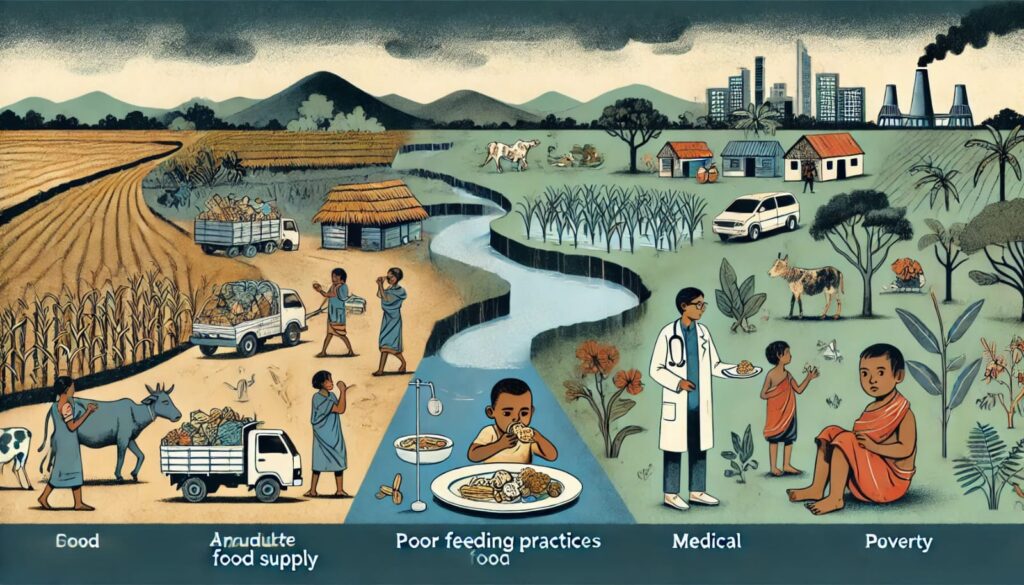
Several factors contribute to pediatric malnutrition, making it a complex issue.
Inadequate Food Supply
In many impoverished regions, children lack access to nutritious food. Limited availability of fresh produce and protein-rich sources leads to nutrient deficiencies. Dr. Lawrence Haddad, a nutrition specialist, asserts, “Food insecurity remains a leading cause of malnutrition in low-income communities.” Children relying on monotonous diets may miss essential vitamins and minerals. Furthermore, droughts, conflicts, and economic instability often worsen the situation. To combat this, governments and NGOs need to implement sustainable food programs. Additionally, encouraging local farming and distributing fortified foods are effective strategies to alleviate this challenge and secure a child’s nutritional needs.
Poor Feeding Practices
Improper feeding habits significantly contribute to malnutrition. Issues such as inadequate breastfeeding or delayed introduction of solid foods hinder proper growth. As per Dr. Victoria Nankabirwa, a child health expert, “Optimal breastfeeding practices could prevent a third of malnutrition cases in children under five.” Unhealthy dietary patterns, including reliance on sugary snacks, also exacerbate the problem. Educating caregivers about age-appropriate feeding practices is essential. Moreover, communities must prioritize maternal support programs and ensure access to accurate nutritional guidance. This approach can effectively bridge the knowledge gap and foster healthier habits for children.
Medical Conditions
Certain illnesses increase a child’s risk of malnutrition. Chronic conditions such as diarrhea and infections impair nutrient absorption, while congenital disorders elevate nutritional needs. Dr. Zulfiqar Bhutta, a pediatric health expert, explains, “Diseases and malnutrition often form a vicious cycle, with one worsening the other.” Frequent illnesses deplete energy reserves, leaving children vulnerable to undernutrition. Treating these medical conditions promptly and supporting recovery with nutrient-rich foods can break this cycle. Strengthening healthcare systems to provide vaccinations, supplements, and therapeutic diets is key to minimizing the impact of health-related malnutrition.
Social and Environmental Factors
Social and environmental challenges play a major role in pediatric malnutrition. Natural disasters, political unrest, and widespread poverty disrupt food supplies and access to healthcare. According to Dr. Agnes Kalibata, a food security advocate, “The most vulnerable children are often victims of systemic inequality and environmental crises.” Families in unstable regions face prolonged food shortages and insufficient dietary diversity. Addressing these challenges requires global cooperation. Initiatives like food aid, disaster resilience planning, and poverty alleviation programs can help mitigate these social and environmental triggers of malnutrition.
Lack of Nutritional Education
A significant cause of pediatric malnutrition is the lack of knowledge about proper nutrition. Many caregivers are unaware of the essential nutrients a child needs for healthy growth. Dr. Ellen Piwoz, a nutrition education advocate, highlights, “Empowering families with nutritional knowledge is fundamental to breaking the cycle of malnutrition.” Without guidance, families may rely on calorie-dense but nutrient-poor foods. This issue is more pronounced in communities with limited access to healthcare or educational resources. Offering workshops, integrating nutrition into school curriculums, and leveraging media campaigns can bridge this knowledge gap and foster healthier eating habits in children.
Chart: Causes of Pediatric Malnutrition and Solution
| Cause | Details | Key Solutions |
|---|---|---|
| Inadequate Food Supply | – Limited access to fresh produce and protein-rich sources. – Droughts, conflicts, and economic instability. | – Implement sustainable food programs. – Promote local farming and distribute fortified foods. |
| – Reliance on monotonous diets leading to nutrient deficiencies. | ||
| Poor Feeding Practices | – Inadequate breastfeeding or delayed introduction of solid foods. | – Educate caregivers about age-appropriate feeding practices. – Support maternal nutrition programs. |
| – Over-reliance on sugary snacks and unhealthy dietary habits. | – Ensure access to accurate nutritional guidance and community support. | |
| Medical Conditions | – Chronic diarrhea, infections, and congenital disorders impair nutrient absorption. | – Strengthen healthcare systems to provide vaccinations, deworming, and therapeutic diets. |
| – Frequent illnesses deplete energy reserves and exacerbate malnutrition. | – Support recovery with nutrient-rich foods and prompt medical treatment. | |
| Social and Environmental Factors | – Natural disasters, poverty, and political unrest disrupt food supplies and healthcare access. | – Provide food aid and disaster resilience programs. – Address systemic inequality through global cooperation. |
| – Prolonged food shortages and insufficient dietary diversity in unstable regions. | ||
| Lack of Nutritional Education | – Caregivers unaware of essential nutrients for children’s growth. | – Conduct workshops and integrate nutrition education into school curriculums. – Launch media campaigns. |
| – Reliance on calorie-dense but nutrient-poor foods. |
This chart summarizes the primary causes of pediatric malnutrition, providing actionable insights and practical solutions to address the issue.
Signs and Symptoms of Pediatric Malnutrition
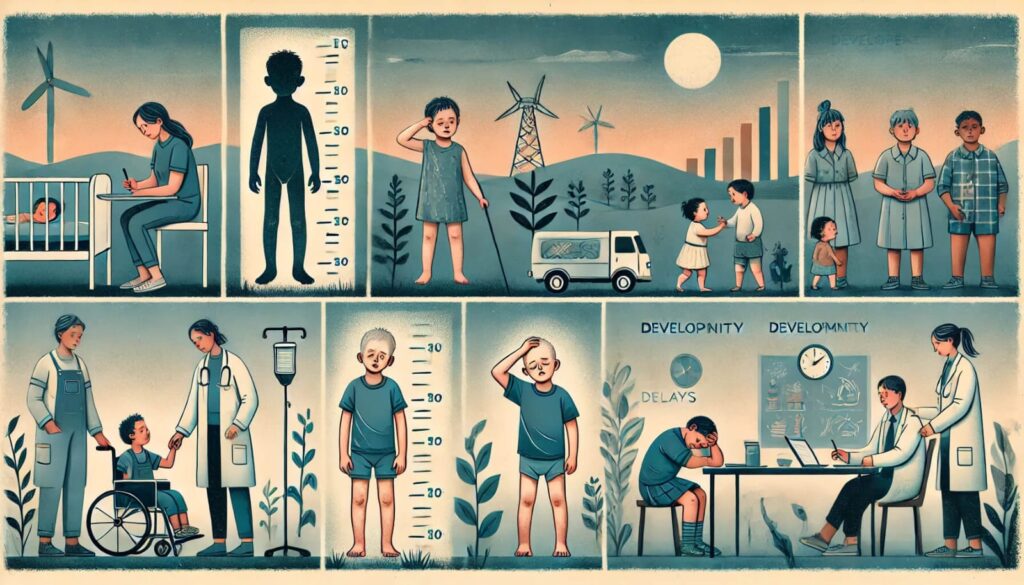
Recognizing the signs of pediatric malnutrition early is crucial for timely intervention. The following indicators highlight its effects on physical development,behavior, and health .Common indicators include:
Physical Symptoms
Physical signs of malnutrition are often the most noticeable. For instance, stunted growth, low weight for age, and visible thinning of hair are common indicators. Additionally, the skin may appear dry, and in severe cases, swelling (edema) may occur. Dr. Anthony Costello, a child health expert, notes, “Physical symptoms are often the first clues to hidden nutritional deficiencies.” Regular growth monitoring and health check-ups can, therefore, help detect these changes. Moreover, addressing physical symptoms promptly with nutrient-rich diets and medical care can prevent long-term consequences and restore a child’s health.
Behavioral Signs
Malnutrition also impacts a child’s behavior and energy levels. Irritability, fatigue, and difficulty concentrating are frequent signs. Malnourished children often lack the energy to engage in normal activities, appearing withdrawn or lethargic. Dr. Jessica Fanzo, a global nutrition advocate, states, “Behavioral changes often reflect a child’s struggle to meet their daily nutritional needs.” These signs can, therefore, affect academic performance and social interactions. Furthermore, creating awareness among educators and caregivers about these behavioral indicators is key to early detection and intervention.
Developmental Delays
Malnutrition can hinder a child’s ability to reach developmental milestones. Delayed skills, such as walking, talking, or fine motor abilities, are red flags. Dr. Maureen Black, a child development researcher, explains, “Nutritional deficiencies during critical growth periods significantly affect cognitive and motor development.” These delays can, consequently, impact a child’s future learning and productivity. Moreover, comprehensive care, including therapy and targeted nutritional support, can address these delays. Additionally, early detection programs in schools and communities are essential to ensuring every child reaches their full potential.
Chart: Signs and Symptoms of Pediatric Malnutrition
| Category | Specific Indicators | Details |
|---|---|---|
| Physical Symptoms | – Stunted Growth: Height below standard for age. | May indicate chronic malnutrition and hinder overall development. |
| – Low Weight for Age: Weight significantly below expected levels. | A hallmark of undernutrition; requires immediate attention. | |
| – Thinning Hair: Hair loss or brittle texture. | Suggests deficiencies in protein or essential nutrients like zinc. | |
| – Dry Skin: Scaly or cracked skin. | Indicates lack of essential fatty acids, vitamins, or dehydration. | |
| Behavioral Signs | – Irritability: Frequent crying, restlessness, or frustration. | Could result from low energy levels due to insufficient caloric intake. |
| – Fatigue: Persistent tiredness or low activity levels. | Indicates lack of energy sources such as carbohydrates and fats. | |
| – Difficulty Concentrating: Struggles to focus on tasks or activities. | Often linked to deficiencies in iron and glucose, which are crucial for brain function. | |
| Developmental Delays | – Delayed Milestones: Late achievement of key skills like walking, talking, or fine motor activities. | Chronic malnutrition can impair physical and cognitive development. |
| – Poor Social Interaction: Lack of engagement with peers or caregivers. | Emotional and behavioral signs often emerge when cognitive abilities are affected by malnutrition. | |
| – Learning Challenges: Struggles with memory, problem-solving, or language skills. | Long-term impacts on educational outcomes if not addressed early. |
This chart highlights the critical need to monitor growth, behavior, and developmental milestones to detect malnutrition at its earliest stages.
Preventing and Addressing Pediatric Malnutrition
Effective prevention and management of pediatric malnutrition require a comprehensive approach. Key strategies include promoting nutrition, addressing health issues, and fostering community and policy support.
Promote Balanced Nutrition
A balanced diet rich in fruits, vegetables, proteins, and whole grains is fundamental for preventing malnutrition. Furthermore, caregivers must be educated about children’s nutritional needs to ensure proper meal planning. Dr. Marion Nestle, a food policy expert, asserts, “Good nutrition begins with informed choices and access to healthy food.” Additionally, simple initiatives, such as cooking classes and meal planning workshops, can empower families with practical knowledge. Moreover, ensuring the affordability and availability of nutritious foods is equally important to sustain these efforts. Ultimately, a well-rounded approach fosters healthier habits and reduces the risk of malnutrition.
Breastfeeding and Complementary Feeding
Breastfeeding exclusively for the first six months provides essential nutrients and immunity-boosting benefits. Furthermore, the timely introduction of nutrient-dense solid foods ensures continued growth and development. Dr. Ann Prentice, a nutrition scientist, emphasizes, “Breastfeeding remains the most effective single intervention to improve child nutrition globally.” Moreover, healthcare providers play a crucial role by supporting mothers with breastfeeding techniques and complementary feeding guidelines. Additionally, community programs can contribute by offering access to lactation counselors and nutritional resources. Consequently, these combined efforts create a strong foundation for improving child nutrition and overall well-being.
Address Underlying Health Issues
Underlying medical conditions, such as chronic infections or gastrointestinal disorders, significantly exacerbate malnutrition. Moreover, regular health check-ups are vital for identifying and addressing these issues early. Dr. Parul Christian, a pediatric nutrition expert, emphasizes, “Prompt treatment of illnesses prevents further nutritional deficits in vulnerable children.” Additionally, strengthening healthcare infrastructure to provide vaccines, deworming treatments, and therapeutic diets is critical to mitigating these challenges. Furthermore, parents should be encouraged to seek immediate care for recurring illnesses to prevent complications. Ultimately, addressing underlying health issues plays a pivotal role in reducing pediatric malnutrition and improving long-term outcomes.
Policy Interventions
Governments and organizations have a pivotal role in combating malnutrition. For example, initiatives like school meal programs, food subsidies, and widespread nutrition education campaigns are crucial in addressing this issue. Moreover, Dr. Lawrence Haddad, a policy advocate, asserts, “Investing in nutrition-focused policies yields long-term benefits for both individuals and economies.” Additionally, policies that emphasize access to fortified foods and healthcare services can significantly lower malnutrition rates. Furthermore, collaboration among stakeholders ensures these programs’ success and sustainability. Ultimately, such coordinated efforts create a robust foundation for improving child nutrition and fostering healthier communities.
Community Involvement
Communities play a central role in addressing malnutrition at the grassroots level. For instance, local healthcare centers can provide counseling, distribute fortified foods, and organize awareness sessions. Moreover, Dr. Agnes Kalibata, a global food systems advocate, highlights, “Strong community networks are the backbone of effective nutritional interventions.” Additionally, community leaders and volunteers are instrumental in identifying at-risk families and ensuring they receive timely support. Furthermore, initiatives like community gardens and nutritional workshops promote collective responsibility. Consequently, these efforts empower communities to take proactive steps in combating pediatric malnutrition and fostering long-term resilience.
Global Initiatives Combating Pediatric Malnutrition
International organizations have implemented impactful programs to address pediatric malnutrition worldwide. Their efforts encompass monitoring, emergency aid, and advocacy to promote child nutrition.
Nutrition Surveillance
Monitoring children’s growth and nutritional status remains a cornerstone of global malnutrition strategies. For instance, UNICEF and WHO consistently conduct nutrition surveillance to identify at-risk populations and develop targeted interventions. According to Dr. Francesco Branca, Director of Nutrition at WHO, “Accurate data is essential to design effective programs that address malnutrition.” Furthermore, these efforts involve measuring growth metrics, assessing dietary patterns, and tracking progress over time. Consequently, such insights guide critical policy-making and ensure resources are allocated effectively. Ultimately, this comprehensive approach ensures no child is overlooked in the fight against pediatric malnutrition.
Emergency Food Aid
In regions affected by natural disasters, conflicts, or extreme poverty, emergency food aid plays a crucial role in saving lives. For instance, organizations like the World Food Programme (WFP) distribute nutrient-rich food supplies to vulnerable populations. Moreover, Dr. David Nabarro, a global health expert, stresses, “Emergency food aid provides immediate relief while laying the foundation for long-term recovery.” Additionally, ready-to-use therapeutic foods (RUTFs) and fortified staples are key components of these initiatives. Furthermore, effective coordination between governments and humanitarian groups ensures rapid and efficient responses in crisis situations, ultimately addressing immediate needs and supporting recovery efforts.
Advocacy Campaigns
Raising awareness about the importance of child nutrition is vital for driving sustainable change. For example, advocacy campaigns like UNICEF’s Scaling Up Nutrition (SUN) initiative educate communities and influence policymakers effectively. These initiatives emphasize breastfeeding, dietary diversity, and the need for fortified foods. Moreover, Dr. Henrietta Fore, UNICEF’s Executive Director, highlights, “Advocacy is a powerful tool to mobilize action and secure commitments to end child malnutrition.” Additionally, public education through media, workshops, and local outreach ensures a broader impact. Consequently, such efforts foster a culture that prioritizes and values child nutrition across all levels of society.
Here’s a detailed chart of Global Initiatives Combating Pediatric Malnutrition:
| Initiative | Key Organizations | Core Activities | Impact | Expert View |
|---|---|---|---|---|
| Nutrition Surveillance | UNICEF, WHO, Local Health Ministries | – Monitoring growth metrics (height, weight, etc.) – Assessing dietary patterns and food security levels – Tracking micronutrient deficiencies | – Identifies high-risk areas – Guides policies and resource allocation | “Accurate data is essential to design effective programs that address malnutrition.” – Dr. Francesco Branca, WHO |
| Emergency Food Aid | World Food Programme (WFP), UNICEF, NGOs | – Distributing ready-to-use therapeutic foods (RUTFs) – Providing fortified staples and high-energy foods – Establishing feeding centers in crisis zones | – Saves lives during emergencies – Reduces acute malnutrition rates in affected populations | “Emergency food aid provides immediate relief while laying the foundation for long-term recovery.” – Dr. David Nabarro, Global Health Expert |
| Advocacy Campaigns | UNICEF, SUN Initiative, FAO | – Promoting breastfeeding and dietary diversity – Educating policymakers on nutrition’s importance – Conducting community workshops and media campaigns | – Creates cultural shifts toward healthier habits – Mobilizes countries to develop nutrition action plans | “Advocacy is a powerful tool to mobilize action and secure commitments to end child malnutrition.” – Dr. Henrietta Fore, UNICEF Executive Director |
What Can Be Done at Home?
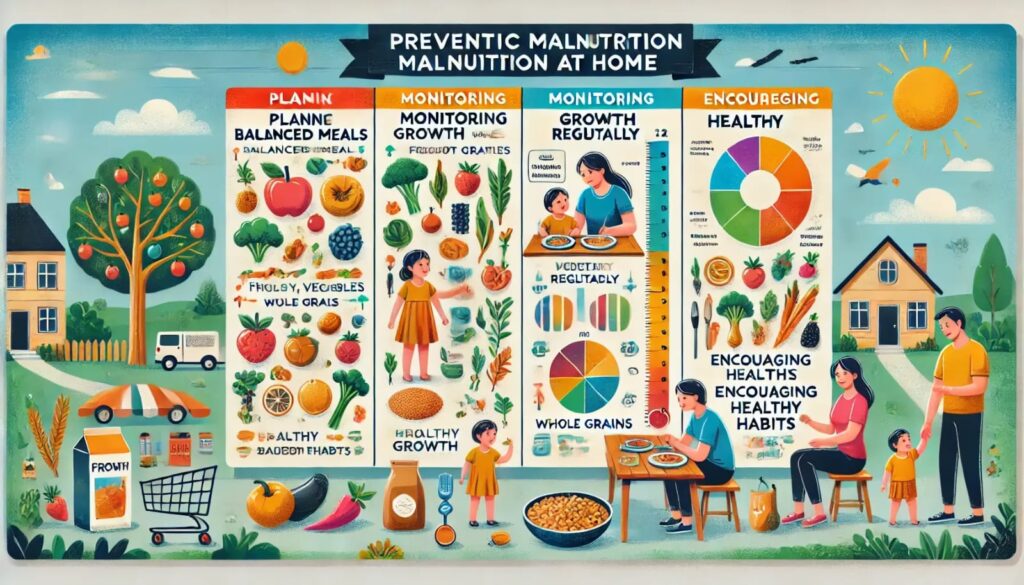
Parents and caregivers play a critical role in preventing and addressing pediatric malnutrition. Simple, consistent actions at home can make a significant difference
Here’s a detailed chart summarizing the key actions parents and caregivers can take at home to prevent and address pediatric malnutrition:
| Action | Steps to Take | Benefits | Expert Insights |
|---|---|---|---|
| Plan Balanced Meals | – Include all food groups: proteins, fruits, vegetables, whole grains, and healthy fats. – Prioritize fresh, whole ingredients and limit processed foods. – Prepare colorful, appealing meals to encourage acceptance. | – Provides essential nutrients for growth and development. – Promotes a well-rounded, nutrient-rich diet. | “A diverse diet is the key to fulfilling a child’s nutritional needs.” – Dr. Jessica Fanzo, Nutrition Expert |
| Monitor Growth Regularly | – Use a growth chart at home to track height and weight. – Note deviations or concerns and discuss with a healthcare provider. – Schedule regular health check-ups for professional monitoring. | – Detects malnutrition signs early. – Helps parents take timely action to address nutritional issues. | “Consistent growth monitoring empowers parents to take timely action if concerns arise.” – Dr. Robert Murray |
| Encourage Healthy Habits | – Engage children in meal preparation and grocery shopping. – Educate them about the benefits of healthy eating. – Promote balanced snacking and mindful eating to prevent overeating. | – Establishes lifelong healthy eating habits. – Creates a positive and pressure-free mealtime environment. | “Positive food experiences in childhood lay the groundwork for a healthy relationship with food.” – Dr. Ellyn Satter |
Plan Balanced Meals
Planning meals with a variety of food groups ensures children receive essential nutrients. For instance, include proteins, fruits, vegetables, whole grains, and healthy fats in daily meals. Additionally, this balanced approach promotes overall health and supports growth and development. Dr. Jessica Fanzo, a nutrition expert, highlights, “A diverse diet is the key to fulfilling a child’s nutritional needs.” Preparing meals together can also teach children about healthy eating. Incorporating colorful and appealing foods encourages better acceptance of nutrient-rich options. Aim to limit processed foods while prioritizing fresh, whole ingredients.
Monitor Growth Regularly
Tracking a child’s height, weight, and growth patterns helps detect signs of malnutrition early. In addition, keeping a growth chart at home can provide useful insights for discussions with healthcare providers. Furthermore, it allows for a more accurate assessment of the child’s development over time. Dr. Robert Murray, a pediatrician, advises, “Consistent growth monitoring empowers parents to take timely action if concerns arise.” Parents should note any significant deviations in growth and seek professional advice promptly. Regular health check-ups also ensure potential issues are addressed before they escalate.
Encourage Healthy Habits
Teaching children to make nutritious food choices early establishes lifelong habits. Engage them in grocery shopping, meal preparation, and discussions about the benefits of healthy eating. Dr. Ellyn Satter, an expert in child feeding, states, “Positive food experiences in childhood lay the groundwork for a healthy relationship with food.” Encourage balanced snacking and mindful eating to avoid overeating. Creating a positive and pressure-free mealtime atmosphere also fosters a healthy attitude toward food.
Pediatric malnutrition is a pressing issue that, therefore, demands immediate attention. Understanding its causes, effects, and solutions is essential for safeguarding children’s health. Moreover, by promoting balanced nutrition, addressing underlying health issues, and supporting global initiatives, caregivers and communities can combat pediatric malnutrition and ensure every child has a chance to thrive.
Pediatric malnutrition, therefore, refers to a condition where a child’s nutritional intake is insufficient or imbalanced, leading to issues like stunted growth, weakened immunity, and developmental delays. Furthermore, it includes undernutrition, overnutrition, and micronutrient deficiencies.
Signs of poor health in children include poor weight gain, stunted growth, thinning hair, dry skin, irritability, and delayed developmental milestones. Additionally, regular monitoring of a child’s growth and consulting healthcare providers are essential for early detection. Furthermore, early intervention can help address potential issues and promote healthier growth and development.
Ensuring a balanced diet, promoting breastfeeding, addressing health issues promptly, and supporting global nutrition programs are effective ways to prevent pediatric malnutrition. Moreover, engaging in community initiatives further plays a vital role in spreading awareness and providing necessary resources to families. In addition, these collective efforts help create a stronger support system for children’s nutritional needs.

3 Comments
Learn about pediatric malnutrition, its causes, and how to prevent it. Early intervention can save lives and promote healthy growth.
The blog post explore the what pediatric malnutrition is, how it manifests, and what steps can be taken to address it effectively.
A balanced diet rich in fruits, vegetables, proteins, and whole grains is fundamental for preventing malnutrition.