


The role of probiotics in children’s health is gaining significant attention for its numerous benefits.Probiotics are live bacteria and yeast that provide health benefits. Probiotics are often referred to as “good bacteria,” help maintain a healthy gut microbiome, which is crucial for digestion and overall well-being. By promoting a balanced gut flora, probiotics play a vital role in boosting immunity and helping children fight off infections and illnesses. Additionally, they support proper digestion, alleviating common issues like constipation, diarrhea, and bloating. As children’s immune systems are still developing, the inclusion of probiotics in their diet can provide essential support.health
Furthermore, emerging research suggests that probiotics may contribute to mental health and allergy management. Incorporating probiotic-rich foods into your child’s diet can be an easy and effective way to enhance their overall health. In this article, we will explore the many ways the role of probiotics in children’s health can positively impact their daily lives.
What Are Probiotics?
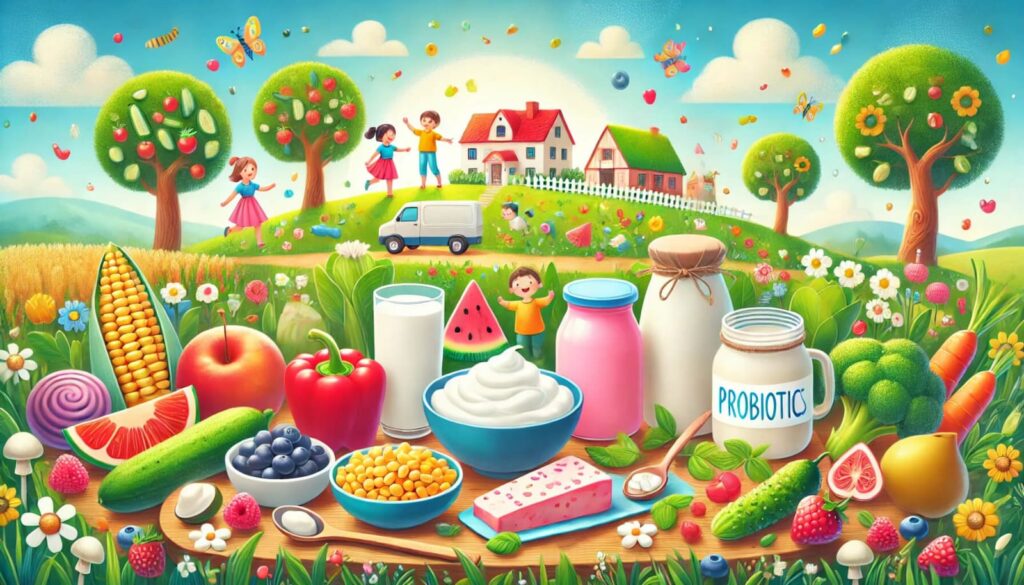
Probiotics which are often called “good bacteria,” provide numerous health benefits. These live microorganisms naturally reside in the human gut and maintain a balanced microbiome essential for digestion and overall health. Dr. Mary Ellen Sanders, a leading probiotics expert, states, “Probiotics are powerful tools to restore and maintain gut health, especially during imbalances caused by illness or antibiotics.” They actively aid digestion and strengthen the immune system. Common sources of probiotics include yogurt, kefir, sauerkraut, and other fermented foods.
Additionally, probiotics are available as dietary supplements tailored to enhance gut health. They provide a concentrated dose of beneficial bacteria in forms like capsules, powders, or liquids. Dr. Natasha Campbell-McBride, author of Gut and Psychology Syndrome, emphasizes, “The gut microbiome is central to physical and mental health.” Including probiotics in a child’s diet can be transformative, especially when combined with prebiotic-rich foods. By introducing probiotics, parents and caregivers can support not only digestion but also overall well-being.
How Probiotics Benefit Children’s Health
Improved Digestive Health
Probiotics play a key role in balancing the gut microbiota, ensuring smooth digestion. They help prevent common digestive issues like diarrhea, constipation, and bloating. For children, probiotics are especially beneficial after a course of antibiotics, which can disrupt gut bacteria. As Dr. David Perlmutter, a renowned neurologist, explains, “Antibiotics kill both harmful and beneficial bacteria in the gut, leaving the digestive system vulnerable.” Probiotics restore balance by replenishing beneficial bacteria, reducing the risk of digestive disturbances. A balanced gut microbiome can lead to fewer stomach aches, less bloating, and improved regularity. Therefore, probiotics offer a natural way to support children’s digestive health, particularly during times of imbalance. Regular consumption of probiotic-rich foods or supplements can provide long-lasting benefits for children’s gut health.
Boosted Immune System
A large portion of the immune system is housed in the gut. Probiotics help strengthen this vital defense system by encouraging the growth of good bacteria. Research suggests that probiotics can enhance immune function, making children less susceptible to common illnesses. As Dr. Alessio Fasano, a pediatric gastroenterologist, states, “The gut microbiome is our first line of defense against harmful pathogens.” By maintaining a healthy gut microbiome, probiotics prevent infections and promote better overall immunity. Studies show that children who consume probiotics are less likely to suffer from frequent colds or respiratory diseases. In this way, probiotics provide a simple yet effective strategy for boosting children’s immunity and reducing the frequency of illness.
Allergy Management
Emerging research shows that probiotics reduce the risk of allergies, including eczema and asthma. Probiotics foster a healthy immune response and minimize inflammation linked to allergic reactions. Dr. Erika von Mutius, a pediatrician and allergy expert, explains, “Probiotics may help modulate immune responses, preventing the immune system from overreacting to harmless substances.” Studies link regular probiotic consumption to a lower incidence of allergies in children, particularly when introduced early. By strengthening the immune system and balancing inflammation, probiotics provide a natural way to manage and prevent allergic sensitivities.
Mental Health Support
The growing field of gut-brain connection research has revealed that probiotics may play a role in supporting mental health. Probiotics influence mental well-being by producing neurotransmitters like serotonin, which regulate mood and behavior. Dr. Emeran Mayer, a leading expert in the gut-brain connection, explains, “The gut and brain are in constant communication, and the gut microbiome plays a central role in mental health.” For children, probiotics could help reduce anxiety, improve mood, and boost focus. Studies show that children who take probiotics may experience better emotional regulation and cognitive function. By nurturing the gut, probiotics may help improve mental clarity, leading to a more balanced emotional state and better concentration in everyday activities.
Support for Healthy Weight
Maintaining a balanced gut microbiome is linked to healthy weight management. Probiotics may help regulate the absorption of nutrients and fats, which could prevent obesity in children. Research shows that the composition of the gut microbiota influences metabolism and weight. Dr. Rob Knight, an expert in microbiomes, says, “A healthy gut microbiome can promote efficient digestion and nutrient absorption, preventing excess fat storage.” By balancing the gut bacteria, probiotics may support healthier digestion and better weight management in children. Probiotics can also improve the gut’s ability to break down nutrients, making the body more efficient in processing foods and regulating appetite. As a result, children who regularly consume probiotics may experience better weight regulation, reducing the risk of childhood obesity.
Probiotic-Rich Foods for Children

Incorporating probiotics into a child’s diet can be both simple and delicious. By choosing the right probiotic-rich foods, parents can help support their child’s digestive and overall health. Below are some top probiotic options that are easy to introduce into a child’s diet:
Yogurt
Yogurt is one of the most accessible sources of probiotics. Opt for plain, unsweetened yogurt that contains live and active cultures. Avoid flavored yogurts that are high in added sugars. As Dr. Jennifer Gunter, a gynecologist and expert on nutrition, recommends, “Look for yogurts with at least one billion CFUs (colony-forming units) per serving for maximum benefit.” You can mix in fresh fruit or a small amount of honey for a tasty treat your child will enjoy.
Kefir
Kefir is a tangy, fermented milk drink that’s packed with probiotics. It is similar to yogurt but has a thinner consistency, making it easy to drink. Kefir contains multiple strains of bacteria, offering a broader variety of probiotics. Dr. David Perlmutter, a neurologist and gut health expert, highlights, “Kefir offers a powerhouse of probiotics, and it’s one of the most potent probiotic foods available.” This makes it an excellent choice for boosting your child’s gut health.
Fermented Vegetables
Fermented vegetables like sauerkraut, kimchi, and pickles are rich in probiotics. These can be introduced gradually to your child’s diet. Start with small amounts, as fermented foods have a strong flavor. Dr. Natasha Campbell-McBride, a prominent advocate for gut health, explains, “Fermented vegetables are a great way to introduce probiotics in their natural form, along with other health benefits like fiber and antioxidants.” Just ensure the vegetables are naturally fermented without vinegar to retain the probiotics.
Probiotic Supplements
For children who may not enjoy probiotic-rich foods, supplements can be a helpful option. However, it’s important to consult a healthcare provider before introducing supplements into a child’s routine. Dr. Rob Knight, a microbiome expert, advises, “Probiotic supplements should be considered based on individual needs, and a healthcare professional can guide appropriate use.” When choosing supplements, look for reputable brands that list specific strains and CFU counts to ensure efficacy.
By incorporating these probiotic-rich foods into meals, child health development can be naturally supported. These foods boost digestive and immune systems while ensuring meals remain nutritious and enjoyable, contributing to overall growth and well-being. Prioritizing such dietary choices plays a vital role in fostering healthy habits from an early age.
Here’s a chart summarizing the probiotic-rich foods for children:
| Probiotic-Rich Food | Description | Expert Advice |
|---|---|---|
| Yogurt | Plain, unsweetened yogurt with live and active cultures. Avoid flavored varieties with added sugars. | Dr. Jennifer Gunter: “Look for yogurts with at least one billion CFUs per serving for maximum benefit.” |
| Kefir | A tangy, fermented milk drink that contains multiple strains of probiotics. | Dr. David Perlmutter: “Kefir offers a powerhouse of probiotics, and it’s one of the most potent probiotic foods available.” |
| Fermented Vegetables | Options like sauerkraut, kimchi, and pickles, naturally fermented without vinegar. | Dr. Natasha Campbell-McBride: “Fermented vegetables are a great way to introduce probiotics, along with fiber and antioxidants.” |
| Probiotic Supplements | Supplements designed to boost probiotic intake, particularly for children who don’t enjoy probiotic-rich foods. | Dr. Rob Knight: “Probiotic supplements should be considered based on individual needs, guided by a healthcare professional.” |
This chart offers a quick overview of the probiotic-rich foods along with expert advice to help parents make informed choices.
Tips for Parents and Caregivers
Incorporating probiotics into your child’s diet can be an easy and rewarding experience. To maximize the role of probiotics in children’s health, start by introducing probiotic-rich foods gradually and monitor your child’s response. It’s essential to choose high-quality products with live cultures for the best results. Additionally, consulting a healthcare provider ensures that the probiotics are suitable for your child’s specific needs. Pairing probiotics with prebiotics, such as bananas and oats, can further boost their effectiveness. Understanding the role of probiotics in children’s health helps parents support their child’s digestive and immune systems naturally. Here are some tips for parents and caregivers:
Start Slow
When introducing probiotic-rich foods to your child, it’s important to start slowly. Begin with small amounts and observe how their body responds. Some children may experience mild digestive changes, such as slight gas or bloating, which is typically normal as their gut adjusts. By introducing probiotics gradually, you can monitor any reactions and adjust accordingly. Dr. Mary Ellen Sanders, a microbiologist specializing in probiotics, suggests, “Starting slow ensures the child’s digestive system can comfortably adapt to the new influx of beneficial bacteria.”
Choose Quality Products
Not all probiotic products are created equal. To ensure your child is receiving the most beneficial probiotics, always choose products that clearly state they contain live and active cultures. Look for labels that specify the strains of bacteria used, as different strains offer unique benefits. As Dr. Natasha Campbell-McBride points out, “The quality of probiotics can vary widely, so it’s essential to select those that are proven to provide measurable health benefits.”
Consult a Professional
Before adding probiotics to your child’s routine, it’s always a good idea to consult with a pediatrician or nutritionist. A healthcare professional can help determine the best approach based on your child’s specific health needs. This is especially important if your child has underlying health conditions or is taking medications. Dr. Rob Knight, a microbiome expert, advises, “A healthcare provider can guide parents on appropriate probiotic use and help ensure the child’s overall health is optimized.”
Pair with Prebiotics
To enhance the effectiveness of probiotics, pair them with prebiotic foods. Prebiotics are types of fiber that act as food for beneficial bacteria, helping them thrive in the gut. Foods like bananas, oats, and garlic are rich in prebiotics. Dr. David Perlmutter, a neurologist and gut health advocate, explains, “Prebiotics are essential for nourishing probiotics, ensuring they can flourish and provide maximum health benefits.” Adding prebiotic-rich foods to your child’s diet can boost the effects of probiotics, leading to better gut health and overall well-being.
By following these tips, parents and caregivers can safely and effectively incorporate probiotics into their child’s routine, promoting a healthier gut, stronger immune system, and overall well-being.
Precautions and Considerations
While probiotics are generally safe for most children, it’s important to recognize that some may experience mild side effects like bloating or gas. Therefore, understanding the role of probiotics in children’s health is crucial. Start by introducing probiotics gradually and observe any reactions. Additionally, selecting age-appropriate products ensures effectiveness and minimizes risks. For children with chronic illnesses or weakened immune systems, consulting a healthcare provider before introducing probiotics is essential. This precaution helps safeguard their health and ensures proper guidance on the role of probiotics in children’s health.
In conclusion, the role of probiotics in children’s health is essential for boosting immunity, supporting digestion, and promoting overall well-being. By incorporating probiotic-rich foods into your child’s diet, parents can help ensure their child’s gut health is balanced, leading to a stronger immune system and improved digestive function.
Probiotics support healthy digestion, boost immunity, and may reduce the risk of allergies. They help maintain a balanced gut microbiome, which is essential for overall well-being.
Children can start consuming probiotics as early as infancy, but it’s important to consult a pediatrician. Probiotic-rich foods like yogurt and kefir can be introduced gradually after 6 months, depending on the child’s diet and health status.
Yes, probiotics can help alleviate common digestive issues like constipation, diarrhea, and bloating in children. They restore balance to the gut microbiome, improving digestion and overall gut health.

5 Comments
Probiotics support children’s gut health, boost immunity, and aid digestion. Incorporate them naturally with yogurt or supplements, ensuring a balanced diet for overall well-being.
The blog post explore the many ways the role of probiotics in children’s health can positively impact their daily lives.
This title clearly highlights the importance of probiotics in supporting children’s overall well-being. By focusing on both immunity and digestion, it emphasizes the multifaceted benefits these beneficial bacteria can offer for growing bodies.
Today, while I was at work, my cousin stole my iphone and tested to see if it can survive a
twenty five foot drop, just so she can be a youtube sensation. My apple
ipad is now broken and she has 83 views. I know this is completely off topic but I had to share it
with someone!
Hey, nhà cái HitClub là sân chơi chất lượng với tốc
độ ổn định. Trò chơi nhiều lựa chọn từ nổ hũ, khuyến mãi
hấp dẫn. Em cảm thấy ok, anh em đang tìm nhà
cái thì vào trải nghiệm nhé! HitClub