


Breakfast is often called the most important meal of the day, and for good reason. For children, it provides the essential nutrients needed to fuel their bodies and minds for the day ahead. The importance of breakfast for children cannot be overstated, as it directly impacts their energy levels, focus, and overall well-being. Without a healthy breakfast, children may experience energy slumps, difficulty concentrating, and poor academic performance. Furthermore, skipping breakfast can lead to poor eating habits later in the day, contributing to nutritional deficiencies and weight issues.
This guide will explore the importance of breakfast for children, highlighting its critical role in supporting their physical and mental well-being. It will provide insights into how a nutritious breakfast fuels growth, boosts concentration and enhances emotional health. Additionally, the guide offers practical tips for parents to understand and implement the importance of breakfast for children in daily routines. By prioritizing this essential meal, families can ensure long-term health and development.
The Importance of Breakfast for Children

The importance of breakfast for children lies in its ability to provide essential nutrients that fuel both the body and mind. Skipping breakfast can lead to decreased concentration, low energy levels, and poor academic performance. A healthy breakfast supports growth, cognitive function, and emotional well-being, helping children stay focused throughout the day. Regularly eating a balanced breakfast can also promote healthy eating habits and prevent unhealthy snacking. Ultimately, the importance of breakfast for children extends beyond energy, influencing long-term health and development.
In short, the importance of breakfast for children is immense, which is discussed in detail below:
Energy to Start the Day
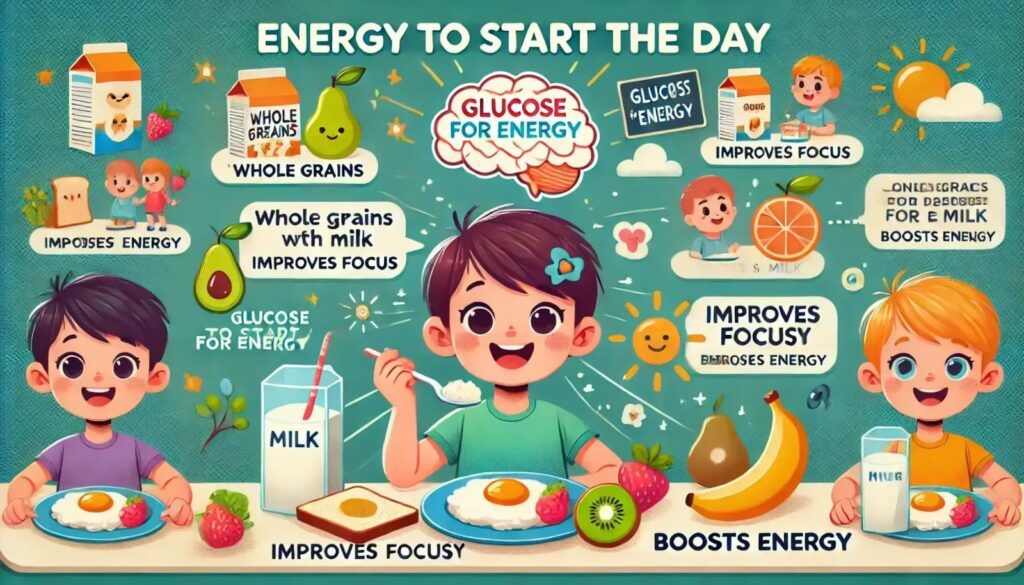
Breakfast is essential for recharging energy levels after a night of fasting. Dr. Marion Nestle, a renowned nutrition expert, says, “Breakfast is the key to jumpstarting the body’s energy systems.” It provides children the fuel to tackle their busy mornings filled with learning and play. A meal rich in carbohydrates, like whole-grain toast or oatmeal, paired with proteins such as eggs or yogurt, offers sustained energy throughout the day. Without breakfast, children may feel lethargic or struggle to focus in school. A simple, nutritious start to the day ensures they are energized, focused, and ready to seize the day.
Fuels the Body with Energy

Breakfast replenishes glucose levels after fasting during sleep, which is crucial for children as their active bodies need constant energy. Dr. Marion Nestle, a nutrition expert, states, “Breakfast is the most important meal to refuel the body.” Skipping breakfast can leave kids tired, sluggish, and unmotivated throughout the day. Foods like oatmeal, eggs, and fruits provide sustained energy, fueling children for physical and mental activities. A consistent breakfast routine helps stabilize energy levels, ensuring children are prepared for a busy day ahead. By making breakfast a priority, parents can boost their child’s focus, performance, and overall well-being.
Enhances Cognitive Performance
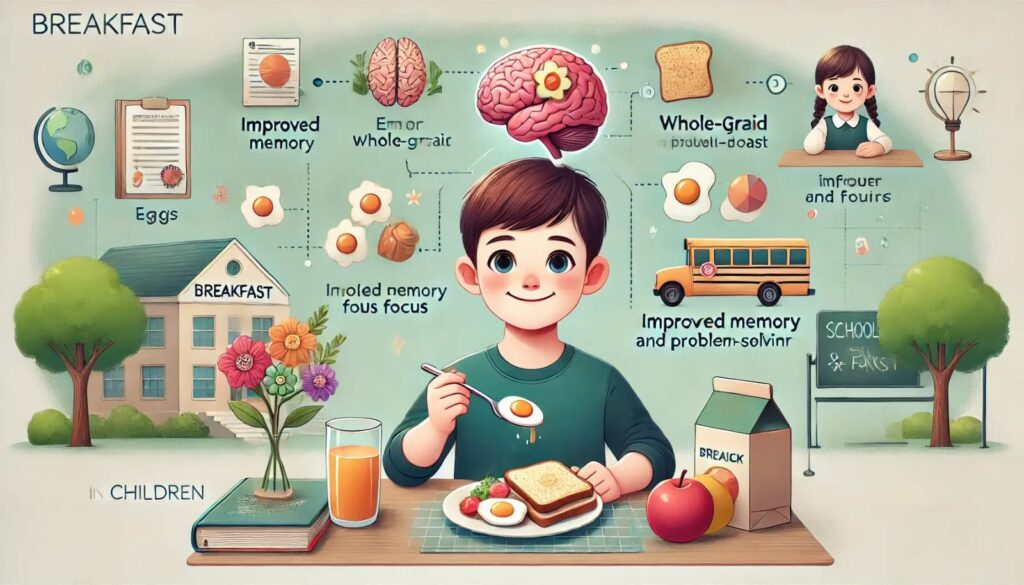
Eating breakfast boosts brain function, including memory and focus. Dr. Susan Jebb emphasizes, “Children who eat breakfast perform better in academics.” A balanced breakfast, rich in whole grains and fruits, sharpens problem-solving skills and enhances attention spans. Moreover, it provides the necessary nutrients for mental alertness, supporting better classroom performance. On the other hand, skipping this meal can lead to forgetfulness, difficulty concentrating, and poor academic results. Transitioning to a routine of nutritious breakfasts is a simple yet effective step toward ensuring academic success. Therefore, making breakfast a consistent habit can significantly impact a child’s cognitive development and performance.
Supports Physical Development

A growing child needs vital nutrients to thrive, and breakfast plays a key role in ensuring these are consumed early in the day. Dr. Joanne Slavin explains, “Nutrient-dense foods help children meet their daily dietary requirements.” Foods like yogurt, whole-grain bread, and fresh fruits provide essential vitamins, proteins, and minerals that support bone and muscle development. Additionally, breakfast helps maintain balanced energy levels throughout the day. However, missing breakfast can lead to nutritional deficiencies that hinder growth and development. Therefore, starting the day with a nutritious breakfast helps children grow healthier, stronger, and better equipped for physical and mental challenges.
Promotes Healthy Eating Habits

Eating breakfast teaches children consistency in their eating patterns, promoting healthy habits from an early age. Regular meals help prevent unhealthy snacking later in the day. Nutritionist Dr. Lindsey Marcellus states, “Healthy habits formed early last a lifetime.” Furthermore, including children in breakfast planning encourages them to make nutritious choices. By opting for balanced meals like smoothies or boiled eggs, children develop a positive relationship with food. As a result, these habits not only support their current health but also contribute to lifelong well-being. Therefore, starting the day with a healthy breakfast is a simple yet powerful way to foster lasting health habits.
Improves Mood and Behavior

Breakfast significantly impacts children’s emotional well-being. An empty stomach can lead to irritability and anxiety, affecting mood and behavior. Pediatrician Dr. Mark Hyman notes, “A healthy breakfast stabilizes blood sugar, improving mood.” Foods high in fiber and protein, such as whole grains and eggs, help regulate emotions better than sugary options. Additionally, these nutrient-rich foods provide steady energy, reducing mood swings. Therefore, ensuring a positive start to the day with a balanced breakfast enhances both attitude and interactions with others. Encouraging mindful eating helps children maintain emotional balance, supporting healthier, more positive behaviors throughout the day.
Prevents Nutritional Deficiencies
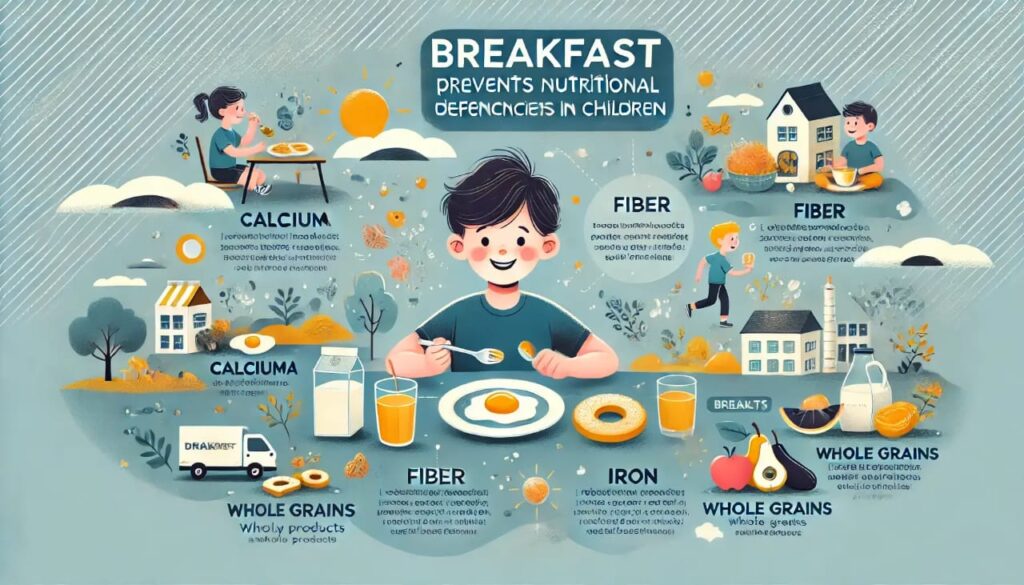
Skipping breakfast often leads to missing essential nutrients like calcium, fiber, and iron. Dr. Jessica Fanzo emphasizes, “Breakfast is critical for filling nutrient gaps in children’s diets.” Dairy, fruits, and whole grains are rich sources of these vital nutrients. Without breakfast, children may miss out on the nutrients needed for growth and development. Moreover, over time, these deficiencies can impact immunity, bone health, and overall well-being. Therefore, incorporating a variety of food groups into breakfast ensures that children receive balanced nutrition to support their physical and cognitive health. By starting the day with a nutritious meal, children thrive.
Reduces the Risk of Obesity
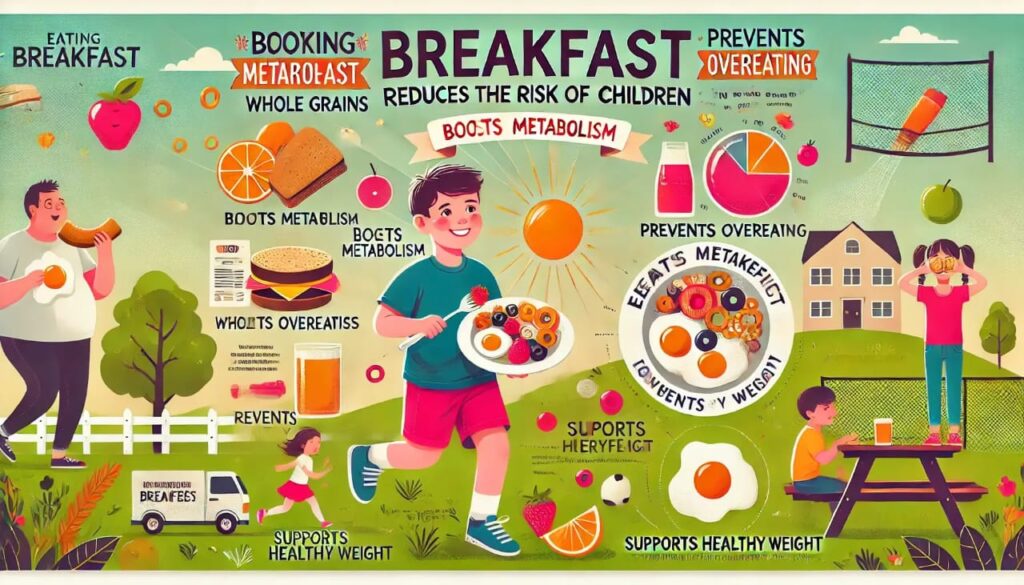
Eating breakfast can help manage weight. Dr. Rachel Johnson states, “Children who eat breakfast have healthier body weights.” By kickstarting metabolism, breakfast prevents overeating later in the day. Balanced meals, such as eggs and toast, provide long-lasting fullness, reducing the likelihood of unhealthy snacking. On the other hand, skipping breakfast often leads to consuming high-calorie, low-nutrient snacks throughout the day. Therefore, establishing a consistent breakfast routine not only supports better energy levels but also promotes healthier weight management. As a result, starting the day with a nutritious breakfast helps children maintain a balanced, healthy weight over time.
Strengthens Family Bonds

Sharing breakfast encourages quality family time. Nutritionist Dr. Ellyn Satter says, “Mealtime fosters communication and builds relationships.” Breakfast provides an opportunity for families to connect before the busy day begins, allowing for meaningful conversations. Moreover, preparing breakfast together teaches children teamwork and responsibility, giving them a sense of accomplishment. These shared moments create a positive atmosphere that strengthens emotional bonds within families. Additionally, starting the day with a communal meal helps establish healthy routines and positive family dynamics. Therefore, incorporating breakfast into family time not only nourishes the body but also nurtures relationships, fostering closeness and cooperation.
Encourages Better School Attendance

Children who eat breakfast are less likely to miss school. Dr. Lorraine Ritchie explains, “Skipping breakfast often leads to health issues and absenteeism.” A well-fed child is energized, focused, and ready to participate in class. Schools that promote breakfast programs report higher attendance rates, as students who eat breakfast tend to have better overall health and performance. Furthermore, breakfast helps boost concentration and mood, reducing the likelihood of missing school due to illness or lack of energy. By making breakfast a priority, parents can ensure their children stay healthy, engaged, and ready to succeed both academically and socially.
Improves Focus and Academic Performance

A nutritious breakfast plays a vital role in enhancing concentration and learning. Dr. Susan Jebb, a leading nutrition scientist, explains, “Children who eat breakfast show improved attention spans and cognitive abilities in school.” It supplies the brain with glucose, a critical energy source for mental tasks. Foods like whole grains, fruits, and nuts help maintain steady blood sugar levels, preventing distractions caused by hunger. Studies reveal that breakfast eaters perform better in math, reading, and memory-based activities. By starting the day with a balanced meal, children are better equipped to excel academically and remain attentive throughout the day.
Sets the Foundation for Lifelong Health

Breakfast lays the groundwork for a healthier future. Dr. Walter Willett states, “Regular breakfast consumption reduces the risk of chronic diseases.” Consuming balanced meals rich in essential nutrients, such as whole grains, fruits, and proteins, promotes heart health and boosts immunity. These benefits not only support immediate well-being but also contribute to long-term health. By teaching children to prioritize breakfast, parents instill habits that carry into adulthood, helping to prevent obesity, diabetes, and cardiovascular diseases. Moreover, starting the day with a nutritious breakfast supports physical and mental well-being, leading to a healthier, more successful future for children.
Health Risks of Skipping Breakfast
Skipping breakfast can result in the following:
Decreased Concentration
Skipping breakfast can significantly impact a child’s ability to concentrate, both at home and in school. An empty stomach leads to lower glucose levels, which the brain needs to function effectively. Consequently, children may experience mood swings, irritability, and reduced focus. According to Dr. Marion Nestle, “A hungry child struggles to stay attentive and process information.” Furthermore, the lack of a morning meal can cause energy crashes, making tasks feel overwhelming. Transitioning to a consistent breakfast routine helps stabilize blood sugar levels and supports better mental performance. Therefore, prioritizing breakfast is crucial for enhancing both concentration and emotional balance.
Nutritional Deficiencies
Skipping breakfast can lead to significant nutritional gaps in a child’s diet. Without this important meal, essential nutrients like calcium, fiber, and iron are often missed. These nutrients are critical for healthy bones, digestion, and oxygen transport in the body. Dr. Jessica Fanzo states, “Breakfast ensures children meet their daily nutrient requirements.” Furthermore, missing breakfast can result in poor food choices later, as hunger often leads to snacking on unhealthy options. Transitioning to a habit of eating balanced breakfasts, including dairy, fruits, and whole grains, helps bridge these nutritional gaps. Therefore, breakfast is vital for maintaining overall health.
Long-term Weight Issues
Skipping breakfast is often linked to unhealthy weight gain in children. Studies show that missing this meal disrupts metabolism, leading to increased hunger and overeating later in the day. Dr. Rachel Johnson explains, “Children who skip breakfast are more likely to snack on high-calorie, low-nutrient foods.” This pattern not only promotes weight gain but also reduces the intake of essential nutrients. Furthermore, irregular eating habits can make maintaining a healthy weight challenging over time. Transitioning to a routine of balanced breakfasts, such as whole-grain cereals and fruits, helps regulate appetite and supports better weight management in the long term.
What Makes a Healthy Breakfast?
A balanced breakfast includes a combination of whole grains, proteins, healthy fats, and fresh fruits or vegetables. These components provide essential nutrients and long-lasting energy, helping children focus and stay active throughout the day. Incorporating nutrient-dense options ensures children get the most benefits, reinforcing the importance of breakfast for children. Starting the day with a wholesome meal lays the foundation for lifelong healthy eating habits.

A balanced , healthy breakfast should include:
Whole Grains
Whole grains are an essential part of a healthy breakfast, offering long-lasting energy to fuel a child’s day. Foods like oatmeal, whole-grain toast, and cereals are rich in complex carbohydrates that release energy steadily, keeping hunger at bay. Nutritionist Dr. Joanne Slavin explains, “Whole grains provide fiber and essential nutrients that support digestion and sustained energy.” Furthermore, these foods stabilize blood sugar levels, preventing energy crashes later in the day. Transitioning to whole-grain options instead of refined grains ensures a nutrient-dense start to the morning. Including whole grains in breakfast promotes better focus, energy levels, and overall health.
Proteins
Proteins are a vital component of a healthy breakfast, helping children feel full and energized throughout the day. Foods like eggs, yogurt, and nut butter provide essential amino acids needed for growth and repair. Dr. Walter Willett highlights, “Protein-rich foods in the morning help regulate hunger and support sustained energy.” Furthermore, proteins stabilize blood sugar levels, preventing mid-morning energy dips. Transitioning to a protein-rich breakfast ensures children stay focused and active during school and play. Adding simple options like a boiled egg or yogurt with fruits can make breakfast more satisfying while contributing to overall physical and mental well-being.
Fruits and Vegetables
Fruits and vegetables are essential for a healthy breakfast, adding vital vitamins, minerals, and fiber. Options like berries, bananas, spinach, or avocado provide antioxidants that strengthen the immune system. Dr. Jessica Fanzo states, “Including fruits and vegetables in breakfast ensures children get essential nutrients for growth and development.” Furthermore, their high fiber content supports digestion and keeps kids feeling fuller for longer. Transitioning to meals that incorporate fresh produce, such as a smoothie or avocado toast, enhances overall nutrient intake. Adding colorful fruits and vegetables to breakfast not only improves health but also creates an appealing and balanced meal.
Healthy Fats
Healthy fats are a crucial part of a balanced breakfast, promoting brain development and overall well-being. Foods like avocados, nuts, and seeds are rich in omega-3 fatty acids and other essential nutrients. Dr. Marion Nestle explains, “Healthy fats are vital for cognitive function and energy regulation in children.” Furthermore, these fats help absorb fat-soluble vitamins, enhancing the meal’s nutritional value. Transitioning to breakfasts that include healthy fats, such as avocado toast or a handful of almonds, ensures sustained energy and better focus. Incorporating these nutrient-rich options supports brain health and prepares children for a productive and active day.
Hydration
Hydration is often overlooked but is key to a healthy breakfast. Drinking water or natural fruit juices helps rehydrate the body after a night’s sleep. Dr. Michael Greger emphasizes, “Adequate hydration is essential for cognitive function and physical performance.” Water aids in digestion keeps the skin healthy, and supports overall cellular function. Transitioning to water or fresh fruit juice, like orange or apple juice, alongside breakfast ensures children stay hydrated and energized throughout the morning. Proper hydration not only supports physical health but also boosts mental clarity, making it a vital part of a well-rounded breakfast.
Tip: Avoid sugary cereals or processed foods, which may cause energy crashes.
Here’s a chart for “What Makes a Healthy Breakfast?” with useful and engaging details:
| Component | Benefits | Examples | Why It’s Important |
|---|---|---|---|
| Whole Grains | Provide long-lasting energy. | Oatmeal, whole-grain toast, cereals. | High in fiber, keeping children full longer and supporting digestion. |
| Proteins | Keep children full and energized. | Eggs, yogurt, nut butter. | Help build muscles, repair tissues, and sustain energy throughout the day. |
| Fruits & Vegetables | Add vitamins, minerals, and fiber. | Berries, bananas, spinach, carrots. | Boost immunity, improve digestion, and provide antioxidants. |
| Healthy Fats | Support brain development. | Avocado, nuts, seeds. | Essential for brain growth and overall cellular health. |
| Hydration | Rehydrates the body and improves vitality. | Water, natural fruit juices. | Supports cognitive function, digestion, skin health, and physical performance. |
Tips for Busy Families
Making breakfast a habit doesn’t have to be time-consuming. Try these tips:
Plan Ahead: Simple Meals for Busy Mornings
Preparing breakfast the night before can save valuable time in the morning. Simple options like overnight oats or boiled eggs are quick to prepare and easy to grab. This strategy ensures a nutritious start, reduces stress, and helps maintain a consistent, healthy breakfast routine for busy families.
Keep It Simple: Quick and Nutritious Breakfast
A simple breakfast can be both quick and nutritious. Whole-grain toast with peanut butter and a banana provides fiber, protein, and vitamins. This easy combination helps children stay full and energized throughout the morning. Transitioning to quick, balanced meals ensures busy families maintain healthy routines without extra stress.
Involve Children: Encouraging Healthy Choices
Involving children in breakfast decisions can motivate them to eat healthier. Let them choose from a variety of nutritious options like fruits, yogurt, or whole grains. This encourages participation and empowers them to make better food choices. As a result, breakfast becomes a fun, engaging, and healthy habit.
Portable Options: Easy Breakfasts on the Go
Smoothies or breakfast wraps are perfect for busy mornings. They are quick to prepare and easy to take on the go. Packed with nutrients, they provide energy and keep children full until lunchtime. Transitioning to portable options makes breakfast hassle-free and supports a nutritious start to the day.
Prep in Bulk: Make Large Batches for the Week
Preparing breakfast in bulk is a time-saving strategy for busy mornings. By making large batches of items like muffins or granola bars, families can enjoy quick, healthy options throughout the week. This approach not only reduces daily preparation time but also ensures children start their day with nutritious meals. It promotes consistency and helps families maintain a balanced routine, even on the busiest days, without compromising on health or convenience.
Final Thought: A healthy breakfast is a simple but powerful step toward helping children thrive.
Breakfast is vital for children, fueling physical growth, mental focus, and emotional well-being. A nutritious morning meal prevents nutritional deficiencies and unhealthy eating habits. Making breakfast a daily priority reinforces the importance of breakfast for children and sets the foundation for a healthier and more productive life.
Breakfast provides essential nutrients and energy after the overnight fast. It jumpstarts metabolism, supports physical growth, and enhances cognitive functions like focus and memory. Skipping breakfast can lead to fatigue, poor academic performance, and unhealthy eating habits later in the day.
Regularly skipping breakfast may result in nutritional deficiencies, low energy levels, and difficulty concentrating. Studies also link skipping breakfast to weight issues and poor overall health. It’s vital to make breakfast a priority to prevent these problems.
A healthy breakfast should have a balance of whole grains, proteins, healthy fats, and fruits or vegetables. These components ensure children receive the nutrients they need for sustained energy and overall well-being, reinforcing the importance of breakfast for children.

3 Comments
Great post! Breakfast is truly the most important meal for children, setting the tone for a healthy and energetic day. Thanks for sharing these valuable insights!
The blog post explore practical tips for parents to understand and implement the importance of breakfast for children in daily routines.
A healthy breakfast supports growth, cognitive function, and emotional well-being, helping children stay focused throughout the day.