

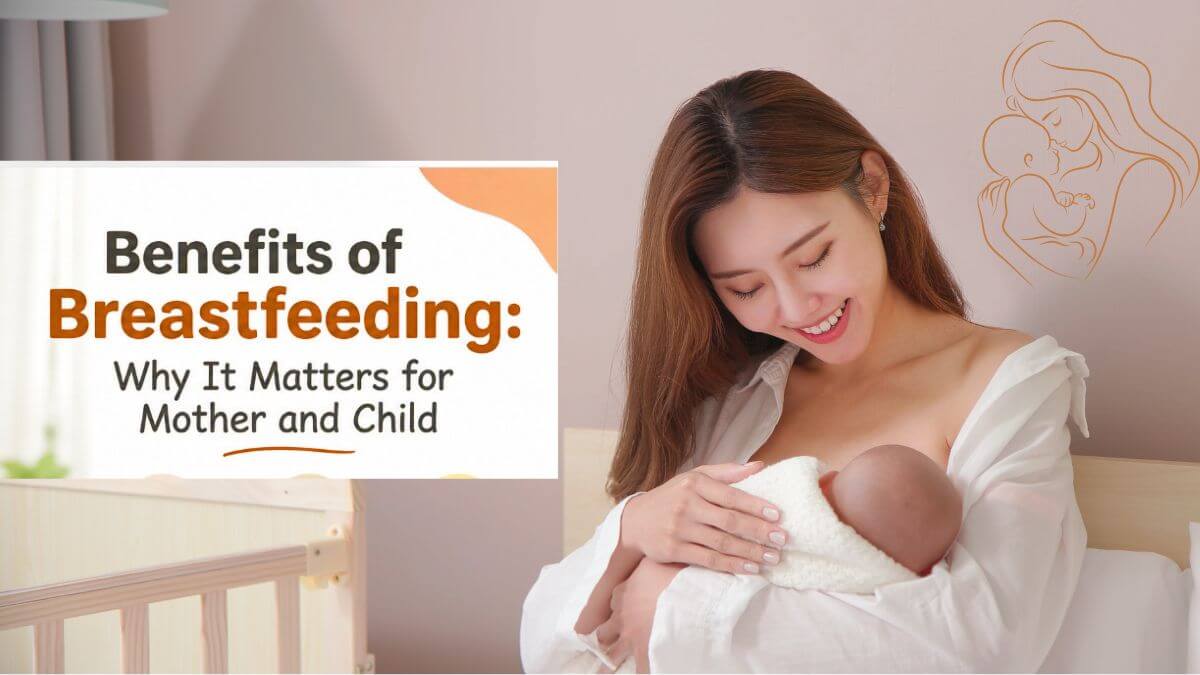
Breastfeeding is one of the most effective ways to provide complete nutrition, as it contains essential nutrients, antibodies, and hormones that a baby needs to grow and thrive. Benefits of Breastfeeding begin with understanding how this natural process supports healthy early development for Both Mother and Child. It plays a vital role in strengthening the immune system and protecting against common childhood illnesses. Breastfeeding creates a strong emotional bond through close physical contact, which supports a baby’s sense of security and comfort. At the same time, mothers benefit from improved recovery, better emotional well-being, and long-term health protection. Therefore, breastfeeding is not only a feeding method but also a foundation for lifelong health. Understanding the benefits of breastfeeding for both mother and child helps families make informed, confident, and healthy choices for the future.
Benefits of Breastfeeding extend far beyond providing food for a baby. Breast milk contains essential nutrients, antibodies, healthy fats, vitamins, and other protective components that support healthy growth and development of a baby. It also helps strengthen the baby’s immune system and may reduce the risk of common infections. Brastfeeding also creates valuable skin-to-skin contact that helps build a strong emotional bond between mother and child. This closeness can make babies feel safe, calm, and comforted.
Breastfeeding not only provides benefits for a baby but also carry important benefits for a mothers. It supports postpartum recovery and may help reduce the risk of certain long-term health conditions. Brastfeeding can promote emotional well-being and make feeding simple, convenient, and affordable. The World Health Organization recommends exclusive breastfeeding for the first six months, followed by continued breastfeeding with appropriate complementary foods. Therefore, understanding the Benefits of Breastfeeding can help families make informed choices that support the health and well-being of both mother and child.
What Is Breastfeeding and Why It Matters
Breastfeeding is the natural process of feeding an infant with milk produced by the mother’s body, specifically designed to meet a baby’s early nutritional needs. This remarkable milk contains an ideal balance of proteins, healthy fats, vitamins, and minerals that support steady growth and development. It is also rich in antibodies and immune-boosting components that help protect infants from common illnesses such as infections, diarrhea, and respiratory conditions. Breast milk also includes hormones and enzymes that aid digestion and promote the healthy development of vital organs. One of its most unique features is its ability to adapt over time. For instance, the composition of breast milk changes as the baby grows, ensuring that nutritional needs are consistently met. Early milk, known as colostrum, is especially rich in protective factors and plays a critical role in building a newborn’s immune system during the first days of life.
According to the World Health Organization, exclusive breastfeeding is strongly recommended for the first six months of life, meaning that infants receive only breast milk without any additional food or water. This practice supports optimal physical growth, strengthens the immune system, and enhances brain development. Moreover, exclusive breastfeeding reduces the risk of chronic conditions later in life, such as obesity and diabetes. It also fosters a strong emotional bond between mother and child through close physical contact and nurturing interaction. After six months, the introduction of appropriate complementary foods alongside continued breastfeeding further supports a child’s development. Therefore, breastfeeding not only provides immediate health benefits but also lays a strong foundation for long-term well-being, making it one of the most effective ways to promote healthy early childhood. development.
After six months, appropriate complementary foods can be introduced while breastfeeding continues. This approach provides additional nutrients as a baby grows and develops. Furthermore, the benefits of Breastfeeding include emotional and developmental support through close physical contact between mother and baby. Breastfeeding can encourage bonding and provide comfort during early infancy. It also offers a convenient source of nutrition that naturally changes to meet a growing infant’s needs. Therefore, breastfeeding can play an important role in supporting healthy growth, development, immunity, and overall well-being during the early years of life.
Key Benefits of Breastfeeding for the Baby
The Benefits of Breastfeeding play an important role in supporting a baby’s healthy growth and early development. Breast milk provides essential nutrients, healthy fats, vitamins, minerals, and antibodies that help meet the baby’s nutritional needs. , it supports a stronger immune system and protects against common infections. Breastfeeding promotes healthy digestion, brain development, and emotional security through close physical contact.
Breastfeeding provides complete and balanced nutrition that supports a baby’s healthy growth and development. Breast milk contains the right proportions of proteins, fats, vitamins, and minerals. As a result, infants receive everything needed during the early months of life. In addition, it strengthens the immune system by supplying antibodies that protect against infections such as diarrhea, respiratory illnesses, and ear infections. According to Dr. Ruth Lawrence, “Breast milk is uniquely designed to meet the nutritional and immunological needs of infants.” Moreover, breastfeeding supports brain development because it contains essential fatty acids like DHA, which play a key role in cognitive growth. Consequently, children may develop stronger learning abilities over time. It also helps maintain a healthy weight, as breastfeeding regulates appetite and metabolism from an early stage. At the same time, the close physical contact during feeding builds emotional security, creating a strong bond between mother and child.
Furthermore, breastfeeding supports better digestive health because breast milk is easy to digest and contains natural enzymes. Therefore, babies experience fewer digestive issues such as gas or constipation. It also lowers the risk of allergies and asthma by strengthening the immune response against environmental triggers. In addition, breastfeeding promotes proper oral and dental development by encouraging natural sucking patterns that strengthen jaw muscles. Research also shows that breastfeeding reduces the risk of Sudden Infant Death Syndrome, making it a protective factor during infancy. As noted by the World Health Organization, breastfeeding plays a vital role in reducing infant health risks and improving survival rates. Finally, breastfed babies often experience better sleep patterns because breast milk contains calming hormones that promote relaxation. As a result, infants feel more secure, sleep comfortably, and develop in a healthy and balanced way.
Complete Nutrition for Growth
Breast milk is often described as the perfect food for infants because it contains all essential nutrients in the right proportions. It includes high-quality proteins for tissue growth, healthy fats for energy and brain development, and important vitamins and minerals that support overall health. Moreover, breast milk is easily digestible, which means the baby’s body can absorb nutrients efficiently without putting stress on the digestive system. In the first few days after birth, the mother produces colostrum, a nutrient-rich early milk that is packed with protective factors and growth-supporting elements. As the baby grows, the composition of breast milk naturally changes to meet evolving nutritional needs. Therefore, breastfeeding ensures consistent and balanced nourishment, helping babies gain weight steadily and develop strong muscles and bones.
Strong Immune System
Breast milk plays a vital role in building a baby’s immune system. It contains antibodies, white blood cells, and other protective substances that help fight harmful bacteria and viruses. As a result, breastfed babies have a lower risk of common childhood illnesses such as diarrhea, respiratory infections, and ear infections. In addition, breast milk helps strengthen the baby’s natural defense system, making it more effective over time. According to Dr. Ruth Lawrence, “Breast milk is uniquely designed to meet the nutritional and immunological needs of infants.” This highlights how breast milk not only nourishes but also protects. Furthermore, breastfeeding supports the development of healthy gut bacteria, which plays a key role in immunity. Consequently, babies become more resilient to infections both in infancy and later in l
Better Brain Development
Breastfeeding significantly supports brain and cognitive development. Breast milk contains essential fatty acids such as DHA (docosahexaenoic acid), which are critical for the formation and function of brain cells. These nutrients contribute to the development of memory, attention, and problem-solving skills. Moreover, breastfeeding encourages close physical and emotional interaction, which further stimulates brain development through bonding and sensory experiences. Studies suggest that breastfed children may show improved intelligence, language skills, and academic performance as they grow older. In addition, the hormones and bioactive components in breast milk support the development of the nervous system. Therefore, breastfeeding not only supports physical growth but also lays a strong foundation for lifelong learning and mental development.
Healthy Weight and Reduced Obesity Risk
Breastfeeding plays an important role in helping babies maintain a healthy weight from the very beginning. Breast milk naturally provides the right amount of nutrients without overfeeding. In addition, it helps babies learn to control their own hunger and fullness cues. Unlike bottle feeding, where intake may be influenced by external factors, breastfeeding allows infants to stop feeding when they feel satisfied. Therefore, this early self-regulation supports a balanced metabolism. Moreover, breast milk contains hormones such as leptin and adiponectin, which help regulate fat storage and energy use in the body. As a result, breastfed babies are less likely to become overweight or obese later in life. According to the World Health Organization, breastfeeding contributes to healthier growth patterns and reduces the risk of childhood obesity.
Emotional Security and Bonding
Breastfeeding creates a strong emotional connection between mother and baby through close physical contact and consistent interaction. During feeding, babies feel warmth, comfort, and safety, which are essential for emotional development. This closeness helps build trust and a secure attachment, forming the foundation for healthy relationships later in life. In addition, the act of breastfeeding releases hormones like oxytocin in the mother, often called the “love hormone,” which enhances feelings of bonding and relaxation. As a result, both mother and baby experience a sense of calm and emotional well-being. According to UNICEF, early bonding experiences such as breastfeeding play a key role in supporting a child’s emotional security and social development.
Improved Digestive Health
Breast milk is naturally gentle on a baby’s stomach, making it easy to digest compared to formula or other foods. It contains special enzymes and bioactive components that support the development of a healthy digestive system. As a result, breastfed infants are less likely to experience common digestive problems such as constipation, gas, bloating, and stomach discomfort. In addition, breast milk promotes the growth of beneficial gut bacteria, which plays an important role in digestion and immunity. This healthy gut balance helps the baby’s body absorb nutrients more effectively. Therefore, breastfeeding not only nourishes the baby but also ensures smoother digestion and overall comfort.
Lower Risk of Allergies and Asthma
Breastfeeding can help protect babies from developing allergies, eczema, and asthma in early childhood. This is because breast milk contains antibodies and immune-regulating factors that strengthen the baby’s developing immune system. As a result, the body becomes better at responding appropriately to harmless substances like dust, pollen, and certain foods. Moreover, breastfeeding supports the development of a balanced immune response, reducing overreactions that can trigger allergic conditions. According to the World Health Organization, exclusive breastfeeding in early life may lower the risk of allergic diseases and respiratory conditions. Therefore, breastfeeding acts as a natural protective shield against many environmental triggers.
Better Oral and Dental Development
Breastfeeding supports healthy oral and facial development through its natural sucking action. When a baby breastfeeds, it requires coordinated movement of the jaw, tongue, and facial muscles. This helps strengthen these muscles and promotes proper alignment of the jaw and teeth. As a result, breastfed babies may have a lower risk of dental issues such as misaligned teeth and improper bite development. In addition, breastfeeding encourages proper palate formation, which is important for speech development later in life. Therefore, beyond nutrition, breastfeeding also plays a key role in shaping healthy oral structures.
Reduced Risk of Sudden Infant Death Syndrome (SIDS)
Research shows that breastfeeding is associated with a reduced risk of Sudden Infant Death Syndrome (SIDS), a serious condition where infants die unexpectedly during sleep. While the exact mechanism is not fully understood, several protective factors may contribute. Breastfeeding supports stronger immunity, better breathing patterns, and more stable sleep cycles in infants. As a result, babies may sleep more safely and peacefully. In addition, breastfeeding encourages closer monitoring and bonding between mother and baby during early life. Therefore, it is considered an important protective factor in reducing sleep-related risks during infancy.
Enhanced Sleep Patterns and Comfort
Breastfeeding helps promote better sleep patterns in babies due to its calming and comforting effects. Breast milk contains natural hormones that encourage relaxation and help babies fall asleep more easily after feeding. In addition, the close physical contact during breastfeeding provides warmth, security, and emotional comfort. As a result, babies feel more relaxed and are able to sleep more peacefully. Breastfed infants often wake more frequently for feeding, but their sleep cycles tend to be naturally regulated and soothing. Therefore, breastfeeding not only nourishes the baby but also supports a sense of safety and improved sleep quality.
Key Benefits of Breastfeeding for the Mother
The Benefits of Breastfeeding are also important for the mother’s physical recovery and emotional well-being after childbirth. Breastfeeding helps the uterus return to its normal size and may reduce postpartum bleeding. It burns extra calories, which can support gradual and healthy weight management. Breastfeeding is also linked with a lower risk of certain health conditions, including breast and ovarian cancer and type 2 diabetes. The release of hormones such as oxytocin can promote relaxation and strengthen the emotional bond with the baby
Breastfeeding provides a wide range of physical and emotional benefits that support a mother’s recovery and overall well-being after childbirth. It helps speed up postpartum healing by releasing hormones like oxytocin, which assist the uterus in returning to its normal size and reduce bleeding. As a result, recovery becomes smoother and more natural. In addition, breastfeeding burns extra calories, supporting gradual and healthy weight loss while maintaining proper nutrition. It also offers long-term health protection by lowering the risk of serious conditions such as breast cancer, ovarian cancer, type 2 diabetes, and heart disease. According to the Centers for Disease Control and Prevention, “Breastfeeding provides health benefits for mothers by reducing the risk of certain cancers and chronic diseases.” Therefore, breastfeeding not only supports immediate recovery but also promotes lifelong health and well-being.
Beyond physical health, breastfeeding plays a vital role in emotional well-being and bonding. The release of calming hormones such as oxytocin and prolactin helps reduce stress and promotes relaxation. As a result, mothers may experience a lower risk of postpartum depression and feel more emotionally balanced. Breastfeeding also strengthens the connection between mother and baby through close, regular interaction. These bonding moments build confidence in caregiving and create a deep sense of attachment. Moreover, breastfeeding is convenient and cost-effective. It requires no preparation and is always available at the right temperature, which simplifies daily routines. It also reduces the need for formula and feeding supplies, saving money over time. According to the World Health Organization, breastfeeding supports both maternal health and emotional well-being. Therefore, it becomes a practical, nurturing, and health-promoting choice for mothers and families.
Faster Postpartum Recovery
Breastfeeding helps the mother’s body recover more quickly after childbirth. When a baby breastfeeds, the hormone oxytocin is released. This hormone causes the uterus to contract and gradually return to its pre-pregnancy size. As a result, postpartum bleeding is reduced, and healing becomes faster. In addition, these natural contractions help clear the uterus and support overall physical recovery. Therefore, breastfeeding plays an important role in helping mothers regain strength after delivery in a natural and safe way.
Burns Calories and Supports Weight Loss
Breastfeeding requires extra energy, which means the body burns more calories during milk production. This natural process helps mothers gradually lose pregnancy weight in a healthy way. Moreover, it supports better metabolism and encourages the body to use stored fat for energy. As a result, many mothers find it easier to return to their pre-pregnancy weight over time. However, balanced nutrition is still important to maintain strength and milk quality. Therefore, breastfeeding supports both weight management and overall well-being.
Reduced Risk of Diseases
Breastfeeding has long-term health benefits for mothers. It is associated with a lower risk of breast and ovarian cancer, as well as reduced chances of type 2 diabetes and heart disease. The protective effect increases with longer durations of breastfeeding. According to the Centers for Disease Control and Prevention, “Breastfeeding provides health benefits for mothers by reducing the risk of certain cancers and chronic diseases.” In addition, hormonal changes during breastfeeding help regulate reproductive health. Therefore, breastfeeding contributes to both short-term recovery and long-term disease prevention.
Natural Birth Spacing
Breastfeeding can naturally delay the return of menstruation after childbirth, a process known as lactational amenorrhea. During this time, ovulation may be suppressed, which reduces the chances of becoming pregnant again. As a result, breastfeeding can support natural spacing between children. However, this method is most effective when breastfeeding is exclusive and frequent. Therefore, it can serve as a natural and temporary form of family planning during the early months after delivery.
Emotional Well-being
Breastfeeding has a strong positive impact on a mother’s emotional health. It stimulates the release of hormones such as oxytocin and prolactin, which promote relaxation, bonding, and emotional stability. As a result, mothers often experience reduced stress and a deeper sense of connection with their baby. In addition, these hormonal effects may lower the risk of postpartum depression. Therefore, breastfeeding supports not only physical recovery but also emotional balance and mental well-being during the postpartum period.
Lower Risk of Postpartum Depression
Breastfeeding plays an important role in supporting a mother’s mental and emotional health after childbirth. During breastfeeding, the body releases hormones such as oxytocin and prolactin, which help promote relaxation, reduce stress, and create a calming effect. These hormonal changes can improve mood stability and reduce feelings of anxiety or emotional fatigue. As a result, mothers may experience a lower risk of postpartum depression. In addition, the close bonding experience during breastfeeding provides emotional reassurance and comfort during a sensitive recovery period. According to the World Health Organization, emotional support combined with breastfeeding significantly contributes to improved maternal mental well-being.
Strengthens Mother–Baby Bond
Breastfeeding naturally strengthens the emotional connection between mother and baby through frequent skin-to-skin contact and nurturing interaction. Each feeding session becomes a moment of closeness, trust, and emotional bonding. As a result, mothers often develop a deeper sense of attachment and responsiveness toward their baby’s needs. This bonding also supports the baby’s emotional security, making the mother feel more confident in caregiving. In addition, the release of oxytocin during breastfeeding enhances feelings of love and connection. Therefore, breastfeeding is not only a feeding method but also a powerful way to build a strong and lasting emotional relationship.
Convenient and Time-Saving
Breastfeeding is one of the most convenient feeding methods for mothers. Breast milk is always available, fresh, and naturally prepared at the right temperature. There is no need for boiling water, sterilizing bottles, or mixing formula. As a result, it saves significant time and effort in daily routines. This convenience becomes especially helpful during nighttime feedings, when quick and easy feeding is essential for both mother and baby’s rest. Therefore, breastfeeding simplifies infant care and reduces daily stress, making it a practical choice for many families.
Cost-Effective Feeding Method
Breastfeeding is also highly economical because it eliminates the need for expensive formula, feeding bottles, sterilizers, and other related supplies. This helps families save a considerable amount of money over time. In addition, there are fewer healthcare costs in many cases due to improved infant health and reduced illness rates. As a result, breastfeeding becomes a financially sustainable choice, especially for growing families. Therefore, it not only supports health but also reduces economic burden, making it a practical and affordable feeding option.
Supports Long-Term Health
Breastfeeding offers long-term health benefits for mothers beyond the postpartum period. Studies suggest that it may reduce the risk of chronic conditions such as osteoporosis, high blood pressure, type 2 diabetes, and certain metabolic disorders later in life. It also helps maintain hormonal balance and supports overall reproductive health. According to the Centers for Disease Control and Prevention, breastfeeding contributes to improved long-term health outcomes for mothers. Therefore, its benefits extend far beyond infancy, supporting both immediate recovery and lifelong well-being.
Additional Shared Benefits for Mother and Child
Breastfeeding is a cost-effective and convenient feeding method that benefits both mother and baby. Breast milk is always available, fresh, and free, which removes the need for formula, bottles, or preparation time. As a result, families save money and reduce daily stress, especially during night feedings. According to the World Health Organization, “Breastfeeding is a natural and economical way to provide ideal nutrition for infants.” In addition, breastfeeding supports an environmentally friendly lifestyle. It produces no waste, unlike formula feeding, which requires packaging, plastic bottles, and other resources. Therefore, it helps reduce environmental impact while promoting sustainable living.
Moreover, breastfeeding is safe and hygienic, as breast milk is naturally clean and served at the perfect temperature. This eliminates the risk of contamination that may occur during bottle preparation. As a result, babies are protected from harmful bacteria and infections. The UNICEF highlights that safe feeding practices like breastfeeding play a key role in protecting infant health. Therefore, breastfeeding offers a simple, safe, and effective solution for nurturing both mother and child.
Cost-Effective and Convenient
Breastfeeding is one of the most cost-effective and convenient ways to nourish a baby., bottles, sterilizers, and other feeding supplies. As a result, families can save a significant amount of money over time. In addition, breastfeeding requires no preparation, mixing, or warming. This makes feeding quick and easy, especially during nighttime or while traveling. According to the World Health Organization, “Breastfeeding is a natural and economical way to provide ideal nutrition for infants.” Therefore, it not only supports a baby’s health but also reduces financial and daily burdens for families.
Moreover, the convenience of breastfeeding helps simplify daily routines for mothers. There is no need to worry about carrying feeding equipment or finding clean water for preparation. This makes breastfeeding a practical choice in both home and outdoor settings. As a result, mothers can respond quickly to their baby’s hunger cues, which supports better feeding patterns and emotional comfort. Overall, breastfeeding offers a simple, time-saving, and budget-friendly solution for infant care.
Environmentally Friendly
Breastfeeding is an environmentally friendly feeding choice that supports both family health and the planet. Unlike formula feeding, it requires no manufacturing, packaging, transportation, or disposal processes. As a result, it significantly reduces waste such as plastic bottles, formula containers, and packaging materials. This helps lower environmental pollution and conserves natural resources. In addition, breastfeeding does not rely on industrial production, which means it has a much smaller carbon footprint. According to the World Health Organization, promoting breastfeeding contributes to sustainable and eco-friendly practices while ensuring optimal infant nutrition.
Moreover, breastfeeding supports a cleaner and greener lifestyle by eliminating the need for water, fuel, and electricity used in preparing formula. There is no need for sterilizing bottles or boiling water, which further reduces energy consumption. As a result, breastfeeding becomes a simple yet powerful way to protect the environment while caring for a baby. Therefore, it not only benefits mother and child but also plays a meaningful role in promoting long-term environmental sustainability.
Safe and Hygienic
Breastfeeding is one of the safest and most hygienic ways to feed an infant. Breast milk is naturally produced in a clean environment and delivered directly from mother to baby. As a result, there is no risk of contamination from water, bottles, or improper preparation. In addition, breast milk is always available at the perfect temperature, which eliminates the need for heating or cooling. This reduces the chances of bacterial growth and ensures that the baby receives fresh and safe nutrition at every feeding. According to the World Health Organization, “Breastfeeding is a safe and reliable method of infant feeding that protects against infections.” Therefore, it plays a key role in safeguarding infant health.
Moreover, breastfeeding supports a baby’s immune system through its natural protective components. It contains antibodies and anti-infective factors that help fight harmful bacteria and viruses. As a result, breastfed babies are less likely to suffer from infections and illnesses. The UNICEF also emphasizes that safe feeding practices like breastfeeding significantly reduce health risks in early life. Therefore, breastfeeding offers a simple, natural, and highly effective way to ensure safe and hygienic nutrition for infants..
Strengthens Emotional Bond
Breastfeeding plays a powerful role in building a deep emotional connection between mother and baby. During feeding, close physical contact, eye contact, and gentle interaction create a sense of warmth and security. Furthermore, these moments of closeness help the baby feel safe, loved, and comforted. This repeated interaction strengthens trust and supports healthy emotional development from an early stage. As a result, the bond between mother and child becomes stronger over time.
In addition, breastfeeding stimulates the release of hormones such as oxytocin, often known as the “bonding hormone.” This hormone promotes feelings of love, relaxation, and attachment in the mother. According to the UNICEF, early bonding experiences like breastfeeding are essential for a child’s emotional and social development. Consequently, breastfeeding not only nourishes the body but also builds a strong emotional foundation that benefits both mother and child for years to come.
Promotes Better Sleep Patterns
Breastfeeding naturally supports healthier sleep patterns for both the baby and the mother. Breast milk contains calming hormones, such as melatonin, that help regulate a baby’s sleep–wake cycle. Additionally, these natural components promote relaxation, making it easier for babies to fall asleep after feeding. The close physical contact during breastfeeding also provides comfort and security, which helps reduce restlessness. As a result, babies often settle more quickly and experience more peaceful sleep.
Moreover, breastfeeding at night is convenient and less disruptive, allowing mothers to respond quickly to their baby’s needs. This reduces prolonged crying and helps maintain a smoother sleep routine. According to the World Health Organization, responsive feeding practices, including breastfeeding, support a baby’s overall well-being and comfort. Consequently, breastfeeding not only nourishes the baby but also encourages a more natural and soothing sleep pattern for both mother and child.
Supports Healthy Development
Breastfeeding plays a vital role in supporting a baby’s overall healthy development. Breast milk provides essential nutrients, growth factors, and protective elements that contribute to physical growth, brain development, and a strong immune system. Additionally, it contains important fatty acids that support cognitive function and help build a healthy nervous system. As a result, breastfed babies often show steady growth, better resistance to illness, and improved developmental outcomes. According to the World Health Organization, breastfeeding is fundamental for ensuring optimal growth and development during early childhood.
Furthermore, breastfeeding supports emotional and social development through close interaction and bonding. The skin-to-skin contact during feeding helps regulate the baby’s body functions, such as heart rate and temperature, while also promoting a sense of security. This nurturing environment encourages confidence and emotional stability as the child grows. Consequently, breastfeeding not only supports physical health but also builds a strong foundation for long-term cognitive, emotional, and social development.
Enhances Skin-to-Skin Contact
Breastfeeding naturally encourages frequent skin-to-skin contact, which is essential for a newborn’s stability and comfort. When a baby is held close against the mother’s chest, it helps regulate body temperature, heart rate, and breathing. Additionally, this close contact supports early adaptation to life outside the womb and reduces stress in newborns. As a result, babies feel calmer, cry less, and adjust more smoothly during the early days. According to the World Health Organization, skin-to-skin care combined with breastfeeding significantly improves newborn health outcomes.
Moreover, skin-to-skin contact strengthens the emotional connection between mother and baby. It promotes the release of oxytocin, which enhances bonding and creates a sense of security. This connection encourages better feeding responses and helps establish successful breastfeeding routines. The UNICEF also highlights that early skin-to-skin interaction supports both emotional and physical development. Consequently, breastfeeding not only nourishes the baby but also fosters closeness, comfort, and healthy development through regular skin-to-skin contact.
Builds Routine and Security
Breastfeeding helps establish a natural and consistent daily routine for both mother and baby. Feeding on demand allows babies to develop regular patterns of hunger and satisfaction. Additionally, this predictability helps infants understand what to expect, which creates a sense of stability in their daily life. As a result, babies feel more secure and less anxious because their needs are met consistently and promptly. Over time, this routine supports smoother sleep patterns, feeding habits, and overall behavior.
,Consistent breastfeeding strengthens emotional security by reinforcing trust between mother and baby. When a mother responds quickly to feeding cues, the baby learns that comfort and care are always available. According to the UNICEF, responsive caregiving plays a key role in building a child’s emotional security and confidence. Consequently, breastfeeding not only supports physical nourishment but also creates a stable environment that promotes emotional safety and healthy development.
Reduces Stress for Both
Breastfeeding plays an important role in reducing stress for both mother and baby. During feeding, the body releases calming hormones such as oxytocin and prolactin. These hormones help lower stress levels and promote a sense of relaxation and comfort. For mothers, this hormonal response can ease tension, support emotional balance, and create a feeling of calm after childbirth. As a result, breastfeeding becomes a natural way to manage stress during the postpartum period.
,Babies also benefit from this calming effect. The close physical contact, warmth, and rhythmic feeding help soothe the baby and reduce crying or restlessness. This creates a peaceful feeding experience that supports emotional well-being. According to the World Health Organization, nurturing practices like breastfeeding contribute to both physical and emotional health. Consequently, breastfeeding not only nourishes the body but also promotes relaxation and emotional stability for both mother and child.
Encourages Responsive Parenting
Breastfeeding helps mothers develop a strong awareness of their baby’s needs. During feeding, mothers learn to recognize early hunger cues such as sucking movements, restlessness, or crying. This understanding allows them to respond quickly and appropriately, building a healthy pattern of communication between mother and child. Over time, this improves caregiving skills and strengthens confidence in handling the baby’s needs.
Breastfeeding also supports emotional connection and attentiveness. When mothers respond promptly, babies feel secure and understood, which builds trust. This interaction creates a nurturing environment where the baby’s physical and emotional needs are met consistently. According to UNICEF, responsive caregiving is essential for a child’s early emotional, social, and brain development. It helps children grow into confident and emotionally stable individuals.
Tips for Successful Breastfeeding
Start breastfeeding within the first hour after birth .
Practice skin-to-skin contact regularly .
Feed on demand rather than on a strict schedule .
Ensure proper latch and positioning .
Stay hydrated and maintain a balanced diet
Common Challenges and How to Overcome Them
Sore Nipples
Sore nipples are one of the most common challenges during the early days of breastfeeding. This usually happens due to an improper latch or incorrect positioning. As a result, feeding can become painful and uncomfortable. To overcome this, ensuring that the baby latches deeply onto the breast is essential. The baby’s mouth should cover not just the nipple but also a large part of the areola. In addition, changing feeding positions can reduce pressure on sensitive areas. Applying breast milk or a safe nipple cream after feeding may also help soothe the skin. If pain continues, guidance from a lactation expert is highly recommended.
Low Milk Supply
Low milk supply can create चिंता and stress for many mothers. However, in most cases, it can be improved with simple steps. Frequent breastfeeding is the most effective way to increase milk production, as milk supply works on a demand-and-supply basis. Therefore, feeding the baby on demand rather than on a strict schedule is important. Staying well-hydrated and maintaining a balanced diet also support milk production. Adequate rest plays a key role as well. According to the World Health Organization, proper feeding practices and maternal nutrition significantly improve breastfeeding success.
Engorgement
Breast engorgement occurs when the breasts become overly full of milk, leading to swelling, tightness, and discomfort. This can make it difficult for the baby to latch properly. To manage engorgement, regular feeding is essential to prevent milk buildup. If the baby is unable to feed, expressing milk manually or with a pump can relieve pressure. Applying a warm compress before feeding helps milk flow, while a cold compress afterward can reduce swelling. Wearing a comfortable, supportive bra also provides relief.
Latching Issues
Latching issues can prevent effective breastfeeding and may lead to pain or inadequate milk intake for the baby. This can occur due to positioning problems or the baby’s difficulty in attaching properly. Therefore, ensuring correct alignment of the baby’s head and body is important. The baby should face the breast directly with a wide-open mouth before latching. Skin-to-skin contact often encourages better latching. If difficulties persist, seeking help from a trained lactation consultant is the best approach. As emphasized by UNICEF, early support and proper guidance can greatly improve breastfeeding outcomes. As emphasized by UNICEF, early support and education significantly improve breastfeeding succes.
Breastfeeding offers unmatched benefits for both mother and child. It supports physical health, emotional bonding, and long-term well-being. Moreover, it is a natural, safe, and cost-effective choice. Therefore, promoting and supporting breastfeeding remains essential for healthier families and communities.
The Benefits of Breastfeeding include better nutrition, stronger immunity, healthy brain development, emotional bonding, and support for the mother’s postpartum recovery
The World Health Organization recommends exclusive breastfeeding for the first six months. After six months, complementary foods can be introduced while breastfeeding continues.
Yes. Breastfeeding supports postpartum recovery, may lower the risk of certain diseases, promotes emotional bonding, and can provide convenient and cost-effective infant feeding
