


Iron deficiency in children is a serious concern that affects growth and development. It happens when the body lacks iron, which is needed to produce hemoglobin. Hemoglobin in red blood cells carries oxygen. Without enough iron, children may feel weak, and tired, and face developmental delays. Causes include a poor diet, high iron needs during growth, or absorption issues from health conditions. Early symptom recognition is key to preventing long-term issues. Recognizing the symptoms early is crucial to prevent long-term health problems. Fortunately, iron deficiency is preventable with proper nutrition and regular screenings. In this blog post, we will explore key facts about iron deficiency in children, its causes, common symptoms, and practical prevention tips. Ensuring children receive enough iron through diet and lifestyle changes is vital for supporting their overall health and development.
What is Iron Deficiency?

Iron deficiency is a critical health issue that arises when the body does not have enough iron to produce hemoglobin, the protein responsible for transporting oxygen in red blood cells. According to Dr. Maria B. Tropeano, a pediatric hematologist, “Iron is essential for numerous bodily functions, especially in growing children. A deficiency can disrupt their development and overall health.” This condition can lead to iron deficiency anemia, which can have lasting effects on a child’s physical and cognitive abilities. While it is normal for children’s iron levels to fluctuate, significant deficiencies should not be overlooked. As Dr. John L. Smith, a nutrition specialist, emphasizes, “Parents should monitor their children’s diets closely. A lack of iron-rich foods can lead to anemia and other health complications.” Moreover, children experiencing rapid growth spurts—such as infants, toddlers, and adolescents—are at a heightened risk of developing iron deficiency.
Additionally, inadequate dietary intake, absorption issues, and excessive milk consumption can contribute to this condition. For instance, “Parents may not realize that too much milk can inhibit iron absorption,” explains Dr. Anne Green, a pediatric dietitian.
In summary, iron deficiency is a serious concern that requires attention. By recognizing the importance of iron and making dietary changes, parents and caregivers can ensure children get the nutrients needed for healthy development. Transitioning to a diet rich in iron can significantly impact a child’s well-being, leading to better physical and cognitive outcomes.
Importance of Iron for Children’s Growth and Health
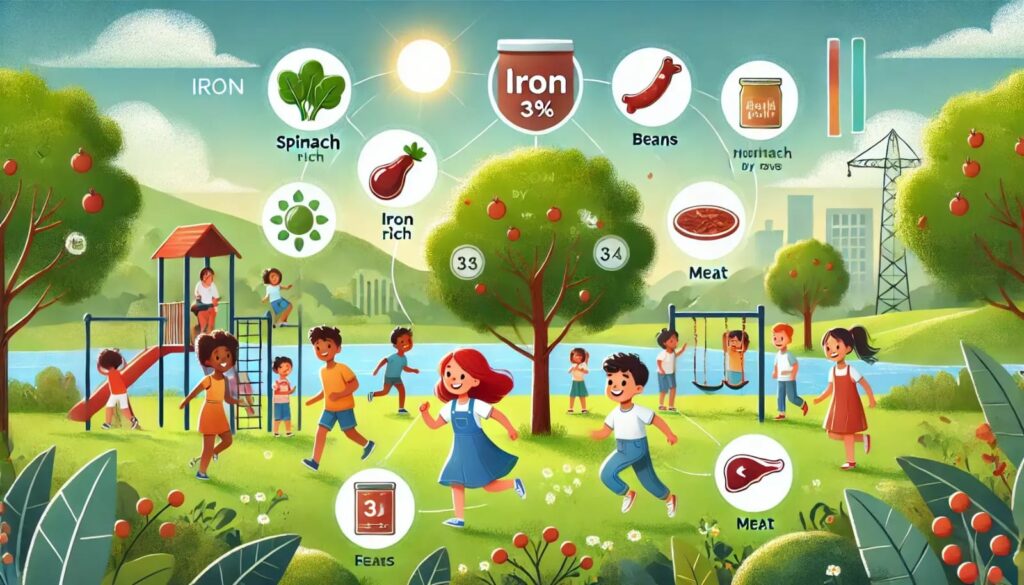
Iron plays a vital role in children’s growth and development. This mineral supports the production of hemoglobin, a protein in red blood cells that carries oxygen throughout the body. Without enough iron, children may feel fatigued, and weak, and may struggle with concentration. According to Dr. Susan Reed, a pediatric nutrition specialist, “Adequate iron is crucial for brain development, especially in the early years.” Iron also supports the immune system, helping children resist infections.
Furthermore, iron needs to change as children grow, especially during growth spurts. If iron intake is too low, it can lead to iron deficiency anemia, affecting energy levels and learning abilities. Diets rich in iron, like lean meats, beans, and spinach, combined with vitamin C-rich foods, help improve absorption. Regular screenings can also help detect low iron levels early, ensuring children get the nutrients they need for a healthy, active life.
Recommended Daily Iron Intake for Children by Age
Here is a chart detailing the recommended daily iron intake for children based on age:
| Age Group | Recommended Daily Iron Intake |
|---|---|
| Infants 0-6 months | 0.27 mg |
| Infants 7-12 months | 11 mg |
| Children 1-3 years | 7 mg |
| Children 4-8 years | 10 mg |
| Children 9-13 years | 8 mg |
| Teens 14-18 years (Girls) | 15 mg |
| Teens 14-18 years (Boys) | 11 mg |

These guidelines help ensure children receive adequate iron to support their growth and development. For optimal absorption, pair iron-rich foods with vitamin C sources like oranges, strawberries, or bell peppers.
Causes of Iron Deficiency in Children
Iron deficiency in children can arise from several factors, often tied to diet, growth stages, or health conditions. Here are some common causes:
Inadequate Dietary Intake
“Inadequate dietary intake is a primary cause of iron deficiency in children,” notes Dr. Sarah Logan, a pediatric nutrition expert. She explains that children who lack iron-rich foods—such as red meat, poultry, fish, beans, and fortified cereals—face a higher risk of iron deficiency. As Dr. Logan highlights, “Iron is essential for growth and cognitive development, so inadequate intake can impact children’s health significantly.” Transitioning to a balanced diet is crucial; however, many children are picky eaters or have limited access to diverse foods, which increases their vulnerability to iron deficiency. Addressing dietary habits can help prevent this widespread issue.
Increased Iron Needs
“Increased iron needs during rapid growth stages in young children and adolescents can make meeting nutritional demands difficult,” explains Dr. Emily Carter, a pediatric dietitian. These age groups experience significant physical and cognitive development, which raises their iron requirements. Dr. Carter notes, “During these critical growth periods, iron supports muscle development and brain function.” However, solely relying on diet can be challenging, as young children may be selective eaters, and adolescents often face dietary limitations. Thus, parents and caregivers should consider monitoring iron intake closely and consulting health professionals when necessary to help support healthy development.
Absorption Issues
“Absorption issues are another common cause of iron deficiency in children,” states Dr. Michael Hughes, a pediatric gastroenterologist. He explains that conditions like celiac disease and inflammatory bowel disease impair the body’s ability to absorb iron effectively. According to Dr. Hughes, “When a child’s digestive system is compromised, essential nutrients like iron can’t be absorbed properly, even if their diet is iron-rich.” This can lead to chronic deficiencies that impact growth and energy levels. Addressing these underlying conditions is crucial, and managing them can help improve nutrient absorption and overall health in affected children.
Blood Loss
“Blood loss is a significant factor contributing to iron deficiency in children,” explains Dr. Laura Benson, a pediatric hematologist. She highlights that children may lose iron through heavy menstrual periods, particularly in adolescent girls, or from gastrointestinal bleeding due to conditions like ulcers. Dr. Benson notes, “When there is ongoing blood loss, the body depletes its iron stores faster than they can be replenished through diet alone.” This can lead to chronic iron deficiency, impacting energy, focus, and overall health. Identifying the source of blood loss and addressing it is essential to prevent further depletion of iron reserves.
Exclusive Breastfeeding
“Exclusive breastfeeding is highly beneficial but may lack enough iron for infants past six months,” explains Dr. Amy Richards, a pediatric nutrition specialist. Breast milk provides essential nutrients for early growth; however, its iron levels alone may not meet an infant’s increasing needs. Dr. Richards advises, “After six months, introducing iron-rich foods like pureed meats, beans, or fortified cereals is crucial to prevent deficiency.” Adding these foods to a breastfeeding routine supports healthy growth. This helps infants maintain adequate iron levels as they grow rapidly, ensuring their development stays on track.
Symptoms of Iron Deficiency

Identifying iron deficiency early is essential for effective intervention. Common symptoms include:
Fatigue and Weakness
“Fatigue and weakness are often the first noticeable symptoms of iron deficiency in children,” says Dr. Rachel Lin, a pediatric hematologist. She explains that low iron levels mean less oxygen reaches the muscles and tissues, leading to reduced energy. Dr. Lin notes, “Children with iron deficiency may seem unusually tired, lethargic, or less active than usual, even with adequate rest.” This fatigue can affect their play, school activities, and social interactions, making them appear less engaged. Recognizing these signs early is crucial, as prolonged iron deficiency can impact a child’s overall health and development, requiring timely intervention.
Pale Skin
“Pale skin is a common indicator of iron deficiency in children,” explains Dr. Lisa Monroe, a pediatric hematologist. Iron deficiency can reduce red blood cell production, which causes a drop in hemoglobin, the protein responsible for giving blood its red color. Dr. Monroe states, “When hemoglobin levels are low, the skin may appear noticeably paler, especially around the face, nails, and inner eyelids.” This change in complexion often serves as an early, visible sign that prompts further investigation. Recognizing paleness in a child’s skin, especially if accompanied by other symptoms, is important to address possible iron deficiency promptly.
Behavioral Changes
“Behavioral changes, such as increased irritability and difficulty concentrating, are common symptoms of iron deficiency in children,” notes Dr. Karen Lewis, a child psychologist specializing in developmental health. She explains that low iron levels can affect brain function, leading to mood swings and decreased focus. Dr. Lewis adds, “Iron is essential for cognitive and emotional regulation, so when it’s deficient, children may struggle with attention and exhibit irritability.” These changes can impact learning, social interactions, and overall well-being. Recognizing shifts in mood and concentration can be key to identifying iron deficiency early and seeking appropriate intervention.
Frequent Infections
“Frequent infections are a common symptom of iron deficiency in children,” explains Dr. Matthew Ellis, a pediatric immunologist. Iron is essential for a strong immune system, as it supports the production of white blood cells, which fight off infections. Dr. Ellis notes, “When children lack sufficient iron, their immune response weakens, making them more susceptible to recurrent illnesses.” As a result, children with iron deficiency may experience frequent colds, respiratory infections, or other ailments. Identifying this pattern of frequent illness can be key to diagnosing iron deficiency early and taking steps to support the child’s immune health.
Brittle Nails
“Brittle nails are often a visible sign of iron deficiency in children,” explains Dr. Laura Chen, a pediatric dermatologist. Iron is vital for maintaining healthy nail structure, as it helps carry oxygen to the nail bed, promoting strength and resilience. Dr. Chen points out, “When iron levels are low, nails may become weak, thin, or more prone to breaking.” This symptom, though subtle, can indicate a deeper deficiency that may affect other areas of a child’s health. Recognizing brittle nails as a potential sign of iron deficiency can prompt further investigation and timely nutritional support.
How to Prevent Iron Deficiency

Preventing iron deficiency requires a multifaceted approach. Here are several effective strategies:
Encourage Iron-Rich Foods
“Encouraging children to eat iron-rich foods is one of the best ways to prevent iron deficiency,” advises Dr. Sarah Miller, a pediatric nutritionist. She explains that incorporating foods like lean meats, spinach, lentils, and fortified cereals into a child’s diet is crucial for maintaining healthy iron levels. Dr. Miller notes, “Iron from these sources is easily absorbed by the body, supporting growth and cognitive development.” Additionally, offering a variety of iron-rich foods helps prevent picky eating habits from becoming a barrier. By making these foods a regular part of meals, parents can ensure their child’s iron needs are consistently met.
Pair Iron with Vitamin C
“Pairing iron-rich foods with vitamin C can significantly enhance iron absorption,” explains Dr. Emily Roberts, a pediatric dietitian. She highlights that vitamin C helps convert plant-based iron into a more absorbable form. Dr. Roberts advises, “Including foods like oranges, strawberries, and bell peppers alongside iron-rich options, such as spinach or lentils, can optimize nutrient absorption.” This simple strategy can be particularly beneficial for children who rely on plant-based iron sources. By including these combinations in meals, parents can help their child’s body absorb iron effectively. This supports healthy growth and development.
Limit Milk Intake
“While dairy is essential for calcium, excessive milk intake can interfere with iron absorption,” warns Dr. Lisa Matthews, a pediatric nutrition expert. She explains that calcium competes with iron for absorption in the digestive system. Dr. Matthews suggests, “To prevent iron deficiency, it is important to limit milk intake to about 16-24 ounces a day for toddlers and preschoolers.” By reducing milk consumption and ensuring balanced meals, children can better absorb the iron from other food sources. This simple adjustment in dietary habits can significantly reduce the risk of iron deficiency, supporting optimal growth and health.
Regular Screening
“Regular screening for iron deficiency is essential, particularly in at-risk populations such as infants, toddlers, and adolescents,” advises Dr. Robert Green, a pediatrician. He emphasizes that early detection can prevent the complications associated with iron deficiency. Dr. Green explains, “Routine screening allows healthcare providers to identify low iron levels before they impact a child’s health, ensuring timely intervention.” This practice is especially important for children who may not exhibit obvious symptoms. By making screening a regular part of pediatric care, parents and healthcare professionals can work together to prevent iron deficiency and promote optimal growth and development.
Educate Caregivers
“Educating parents and caregivers about the importance of iron in a child’s diet is crucial for preventing deficiency,” explains Dr. Amanda Johnson, a pediatric nutritionist. She stresses that many caregivers may not fully understand the role iron plays in a child’s development. Dr. Johnson advises, “Providing resources and guidance on meal planning can help parents incorporate iron-rich foods into their children’s diets.” She adds that clear, actionable advice on meal options, such as combining iron-rich foods with vitamin C sources, empowers caregivers to make informed choices. By educating caregivers, children are more likely to maintain optimal iron levels and healthy growth.
When to Seek Medical Advice
If parents or caregivers suspect iron deficiency, they should consult a healthcare professional. Dr. Emily Rivera, a pediatrician, says, “Identifying iron deficiency early is vital to prevent lasting impacts on growth and development.” A blood test can confirm the deficiency. Treatment may include adding iron-rich foods to the diet or using supplements. Addressing the deficiency early can improve a child’s health and future well-being.
In conclusion, iron deficiency in children can impact growth and development. Early detection and treatment are essential. Parents and caregivers should ensure a balanced diet with iron-rich foods. If necessary, supplements can help. Working with healthcare providers ensures children receive the iron they need for healthy development.
Symptoms of iron deficiency in children can include fatigue, pale skin, irritability, difficulty concentrating, and frequent infections. In more severe cases, it may also lead to brittle nails or delayed growth. If these symptoms are observed, it is important to consult a healthcare provider for proper evaluation and treatment.
Include iron-rich foods in your child’s diet, like lean meats, beans, spinach, and fortified cereals. Pair these with vitamin C foods, such as oranges or bell peppers, to boost absorption. Limit milk intake, as too much can interfere with iron absorption.
Regular screening for iron deficiency is recommended, especially for infants, toddlers, and adolescents. High-risk groups, such as those with poor dietary habits or chronic conditions, should be monitored more closely. Screening typically occurs during routine pediatric visits, but it’s important to discuss any concerns with your healthcare provider.

4 Comments
Iron deficiency in children can affect growth and development. Prevent it with iron-rich foods like spinach, eggs, and lean meat. Regular check-ups help too!
The blog post explore key facts about iron deficiency in children, its causes, common symptoms, and practical prevention tips.
Iron deficiency in children can lead to fatigue and slow development. Ensure a balanced diet with iron-rich foods like spinach, beans, and lean meats. Regular check-ups and fortified foods can help prevent deficiency.
iron needs to change as children grow, especially during growth spurts. If iron intake is too low, it can lead to iron deficiency anemia, affecting energy levels and learning abilities.