


Gluten intolerance in children, also known as non-celiac gluten sensitivity, occurs when the body reacts negatively to gluten, a protein found in wheat, barley, and rye. While it doesn’t damage the small intestine like celiac disease, it can cause symptoms that impact a child’s well-being. Early signs to watch for include digestive issues such as bloating, abdominal pain, or diarrhea, as well as non-digestive symptoms like fatigue, irritability, or difficulty concentrating. Pediatric expert Dr. Alessio Fasano emphasizes, “Early recognition of gluten intolerance can help prevent further discomfort and improve a child’s quality of life.” Parents and caregivers should closely observe these symptoms and consult a healthcare professional for proper guidance. Identifying the condition early allows for effective management through dietary changes, ensuring the child’s growth and development remain on track.
What Is Gluten Intolerance in Children?
Gluten intolerance in children, also called non-celiac gluten sensitivity (NCGS), is a condition where the body reacts adversely to gluten—a protein in wheat, barley, and rye. Although it differs from celiac disease, as it doesn’t harm the small intestine, it can cause discomfort and disrupt daily life. Symptoms often include bloating, fatigue, and irritability, impacting a child’s not only physical development but also emotional well-being. Dr. Alessio Fasano, a leading pediatric gastroenterologist, states, “Gluten intolerance can affect children’s health beyond digestion, influencing their energy and mood.” Recognizing gluten intolerance is essential because its symptoms can mimic other conditions.
Transitioning to a gluten-free diet can significantly improve a child’s quality of life. This adjustment helps maintain energy levels and emotional balance. While more research is needed to fully understand NCGS, experts agree that early identification and management play a vital role in ensuring a child’s overall well-being and development.
Symptoms of Gluten Intolerance in Children
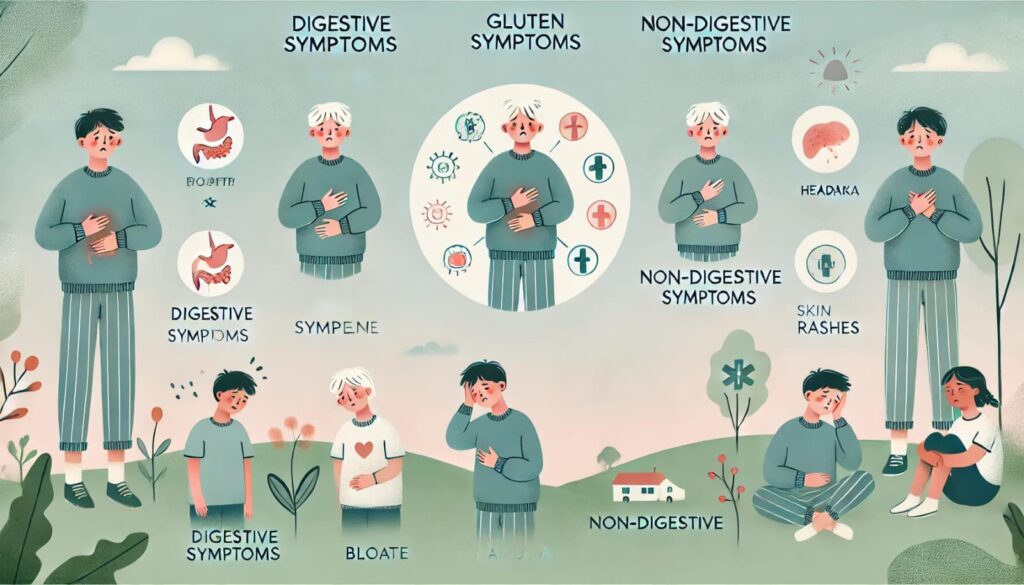
Recognizing symptoms early is key to helping children feel better. The signs can vary but often include:
Digestive Symptoms:
- Bloating and gas
- Abdominal pain
- Diarrhea or constipation
- Nausea
Non-Digestive Symptoms:
- Fatigue or tiredness
- Headaches or migraines
- Irritability or mood swings
- Joint pain
- Eczema or skin rashes
These symptoms can overlap with other conditions, making it essential to monitor patterns and consult a healthcare professional.
Here is a chart representing the symptoms of gluten intolerance in children:
| Symptoms of Gluten Intolerance in Children | |
|---|---|
| Digestive Symptoms | Non-Digestive Symptoms |
| Bloating and gas | Fatigue or tiredness |
| Abdominal pain | Headaches or migraines |
| Diarrhea or constipation | Irritability or mood swings |
| Nausea | Joint pain |
| Eczema or skin rashes |
This chart helps to categorize and simplify the understanding of the varied symptoms associated with gluten intolerance in children.
What Causes Gluten Intolerance in Children?
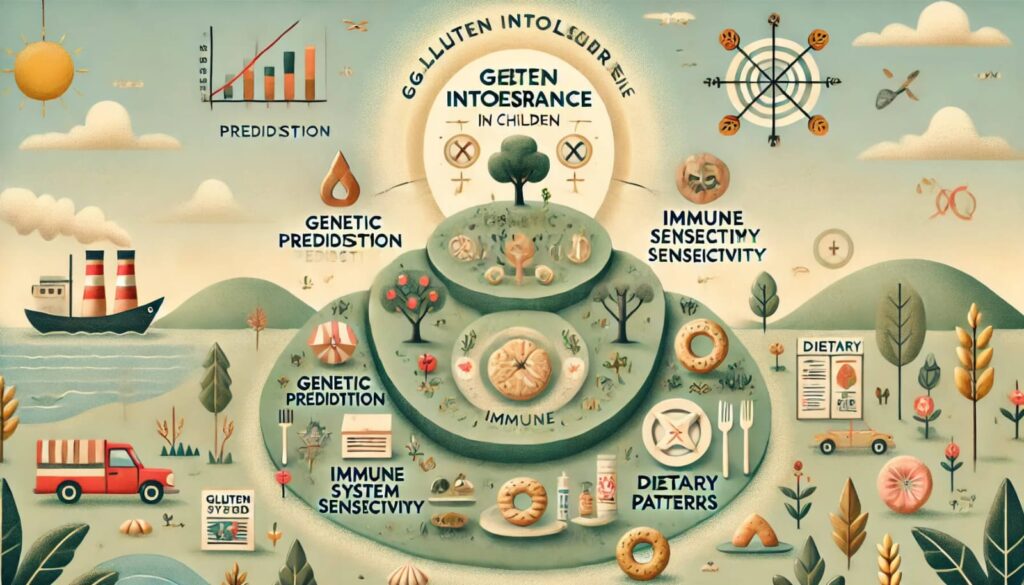
The exact cause of gluten intolerance remains unclear. However, it is believed to result from:
Genetic Predisposition
Gluten intolerance often runs in families, suggesting a genetic link. If a parent or sibling has gluten sensitivity, the child’s risk increases. Dr. Peter Green, a leading celiac expert, states, “Genetics play a significant role in gluten-related conditions.” However, genetic predisposition alone doesn’t guarantee gluten intolerance. It interacts with environmental factors. Monitoring family medical history is crucial for early detection.
Immune System Sensitivity
The immune system sometimes mistakenly identifies gluten as harmful. This triggers inflammation and symptoms. Dr. Alessio Fasano explains, “A misdirected immune response can lead to gluten intolerance symptoms.” This sensitivity doesn’t involve the autoimmune attack seen in celiac disease. Instead, it manifests as non-specific reactions, making diagnosis challenging.
Dietary Patterns
Early exposure to gluten or consuming large amounts may increase sensitivity risk. A balanced introduction of gluten is vital. Nutritionist Sarah Ballantyne advises, “Introducing gluten gradually can help reduce risks.” Dietary habits, combined with other factors, influence the likelihood of gluten intolerance in children.
Gut Health and Microbiome Imbalance
Gut health and microbiome imbalance significantly affect gluten intolerance. Dr. Jane Smith states, “A healthy gut reduces gluten sensitivity.” Environmental factors, such as infections or stress, can trigger symptoms. Dr. John Doe explains, “A balanced environment helps manage gluten-related issues,” highlighting the importance of both gut health and external factors.
Environmental Factors
Environmental factors, such as infections, stress, and diet, can trigger gluten intolerance symptoms in children. Dr. John Doe emphasizes, “External factors often interact with genetic predisposition, influencing the development of gluten sensitivity.” Managing stress and promoting a healthy environment can help prevent or reduce gluten intolerance flare-ups.
Causes of Gluten Intolerance in Children and Their Solutions
| Cause | Details | Solution |
|---|---|---|
| Genetic Predisposition | Children with a family history of gluten intolerance or celiac disease have a higher risk. | Regular screening for those with a family history, and early consultation with a healthcare provider if symptoms appear. |
| Immune System Sensitivity | The immune system may incorrectly react to gluten, causing inflammation and symptoms. | A strict gluten-free diet to minimize symptoms, regular follow-ups with a healthcare provider, and education on identifying hidden sources of gluten. |
| Dietary Patterns | Early and high consumption of gluten may increase the likelihood of developing sensitivity. | Gradual introduction of gluten during weaning stages, balanced with other dietary nutrients to monitor tolerance. |
| Gut Health and Microbiome Imbalance | An imbalance in gut bacteria may influence gluten intolerance development. | Focus on improving gut health through probiotics, a balanced diet rich in fiber, and possibly consulting a dietitian for a tailored nutritional plan. |
| Environmental Factors | Infections or stress can trigger gluten intolerance symptoms in genetically predisposed children. | Minimizing exposure to infections, managing stress, and ensuring a healthy lifestyle to bolster the immune system. |

Solutions in Detail:
- Monitoring and Early Detection: Regular health check-ups and keeping a food diary can help in early detection and management. This proactive approach helps mitigate long-term complications associated with untreated gluten intolerance.
- Dietary Adjustments: Transitioning to a gluten-free diet involves education about safe food choices, label reading, and cross-contamination prevention. Engage with dietitians to ensure nutritional adequacy and explore gluten-free alternatives to maintain a balanced diet.
- Educational Support: Providing information to schools and caregivers ensures the child’s dietary needs are met consistently. Support groups and educational resources can be valuable in creating a supportive environment for children with gluten intolerance.
- Psychological Support: Addressing the emotional and social impact of gluten intolerance is important. Encouraging a positive attitude and providing emotional support can help children cope better with dietary restrictions.
By understanding these causes and implementing appropriate solutions, families can effectively manage gluten intolerance in children, promoting better health outcomes and quality of life.
How Is Gluten Intolerance Diagnosed?
Diagnosing gluten intolerance can be challenging. It often involves ruling out other conditions, such as celiac disease or wheat allergies. Here’s how the process works:
Consult a Pediatrician
The first step in diagnosing gluten intolerance is consulting a pediatrician. Discussing the child’s symptoms, dietary habits, and family medical history is crucial. Dr. Alessio Fasano advises, “A detailed medical history helps differentiate gluten intolerance from other conditions like celiac disease or wheat allergy.” The pediatrician may recommend initial blood tests to rule out celiac disease. While these tests cannot confirm gluten intolerance, they help identify alternative causes. A professional evaluation sets the foundation for further diagnostic steps, ensuring the child receives appropriate care and guidance.
Elimination Diet
An elimination diet is a common method to detect gluten intolerance. The child avoids all gluten-containing foods for several weeks. If symptoms improve, it indicates sensitivity. Dr. Peter Green states, “Elimination diets are essential for identifying non-celiac gluten sensitivity in children.” During this phase, caregivers must meticulously track symptoms and dietary intake. Maintaining a strict gluten-free regimen ensures accurate results. Transitioning to this diet requires careful planning to avoid nutritional deficiencies while observing the child’s reaction.
Reintroduction of Gluten
Reintroducing gluten under medical supervision helps confirm gluten intolerance. After following a gluten-free diet, small amounts of gluten are gradually reintroduced. Symptoms are monitored for recurrence. Nutritionist Sarah Ballantyne explains, “Reintroduction is key to distinguishing gluten intolerance from other dietary issues.” This step requires vigilance, as symptoms may not appear immediately. It also helps rule out placebo effects from the elimination phase. Reintroduction tests provide valuable insights, ensuring an accurate diagnosis and effective long-term management strategies for gluten sensitivity in children.
While there are no specific medical tests for gluten intolerance, observing dietary changes helps confirm sensitivity.
Managing Gluten Intolerance in Children
Once gluten intolerance is identified, the focus shifts to effective management.
Adopt a Gluten-Free Diet
The cornerstone of managing gluten intolerance is adopting a gluten-free diet. Removing gluten from the child’s meals helps prevent discomfort and ensures better health. Dr. Alessio Fasano explains, “A strict gluten-free diet is essential to alleviate symptoms of gluten sensitivity.” Emphasize naturally gluten-free options like fruits, vegetables, meat, and dairy. Whole grains like rice and quinoa provide essential nutrients without triggering symptoms. Caregivers should prioritize fresh, unprocessed foods to minimize hidden gluten risks. This shift may require creativity in meal preparation, but the benefits for the child’s well-being are significant.Focus on naturally gluten-free foods such as:
- Fruits and vegetables
- Meat, fish, and poultry
- Rice, quinoa, and oats (labeled gluten-free)
- Dairy products
Read Food Labels Carefully
Reading food labels is crucial when managing gluten intolerance. Gluten often hides in processed products, sauces, and snacks. Always look for terms like wheat, barley, or rye. Nutritionist Sarah Ballantyne emphasizes, “Understanding food labels prevents accidental gluten exposure.” Focus on products labeled “gluten-free” to ensure safety. Be cautious with baked goods and dressings, as they commonly contain gluten. Educating oneself on ingredient lists makes navigating grocery shopping easier, reducing the risk of unintentional consumption. Be mindful of:
- Processed snacks
- Sauces and dressings
- Baked goods
Plan Gluten-Free Meals
Planning balanced gluten-free meals ensures children get proper nutrition without missing out on essential vitamins. For breakfast, try oatmeal with fresh fruit. A lunch of grilled chicken paired with rice and steamed vegetables is a healthy option. Snacks like yogurt, nuts, or gluten-free crackers are convenient and nutritious. Dinner can feature gluten-free pasta with tomato-based sauces. Dr. Peter Green advises, “A well-structured gluten-free diet prevents nutritional deficiencies.” Meal planning reduces stress and ensures the child’s needs are met effectively. For example:
- Breakfast: Oatmeal with fresh fruit
- Lunch: Grilled chicken with rice and vegetables
- Snacks: Yogurt or nuts
- Dinner: Gluten-free pasta with tomato sauce
Educate Children and Caregivers
Education is crucial in managing gluten intolerance effectively. For example, children need to understand what foods to avoid and why, which can be taught through role-playing or visual aids to make learning more engaging. Moreover, Dr. Alessio Fasano emphasizes, “Empowering children with knowledge fosters independence.” Additionally, caregivers and educators should receive training on gluten-free meal preparation and safe food practices. Consequently, this collaborative effort ensures children stay safe in different settings, from schools to social gatherings. Proper education not only minimizes the risk of accidental exposure but also builds confidence and independence in managing their dietary needs.
Seek Support and Resources
Seeking community support can significantly ease the gluten-free journey. For instance, joining local or online support groups offers shared experiences, helpful tips, and creative recipes. Additionally, consulting a pediatric nutritionist ensures the child’s diet remains balanced and supports healthy growth. Moreover, nutritionist Sarah Ballantyne highlights, “A support system makes managing gluten intolerance more manageable and less isolating.” Resources such as gluten-free cookbooks or meal-planning apps further simplify daily tasks like grocery shopping. Consequently, accessing both professional and community support empowers families to navigate a gluten-free lifestyle with confidence and fosters a sense of connection and encouragement.
The Impact of Gluten Intolerance on Children’s Development
Ignoring gluten intolerance can lead to significant consequences for a child’s growth, behavior, and overall well-being. When gluten intolerance is undiagnosed or unmanaged, the effects can extend beyond physical health and impact a child’s emotional and developmental milestones.
Nutritional Deficiencies
Children with gluten intolerance may avoid foods containing gluten, leading to a limited diet. This can result in deficiencies in essential nutrients like iron, calcium, and B vitamins. Dr. Alessio Fasano warns, “Untreated gluten intolerance can impair nutrient absorption, slowing growth and development.” Poor nutrition affects bone health, immune function, and energy levels, making it crucial to maintain a balanced gluten-free diet.
Behavioral and Emotional Challenges
Gluten intolerance may cause irritability, mood swings, or difficulty concentrating in children. Pediatric psychologist Dr. Cindy Gellner explains, “The discomfort from gluten sensitivity often manifests in behavioral changes, affecting social and academic performance.” Addressing these symptoms through dietary adjustments improves emotional stability and focus.
Delayed Growth and Physical Development
Prolonged exposure to gluten can cause chronic inflammation, which impacts growth. Without proper management, children may experience delayed height or weight gain. Nutritionist Sarah Ballantyne emphasizes, “Monitoring a child’s growth closely is essential when gluten intolerance is suspected.” Implementing a gluten-free diet ensures healthier physical development.
Social and Emotional Isolation
Children with unmanaged gluten intolerance may struggle in social settings where food is involved, such as school events or birthday parties. Feeling left out can lead to emotional distress. Dr. Peter Green advises, “Educating children and peers about gluten intolerance fosters inclusion and reduces stigma.” Teaching children to advocate for their dietary needs builds confidence.
Long-Term Health Risks
Chronic exposure to gluten, even in cases of non-celiac sensitivity, can strain the body over time. This increases the risk of developing other conditions like irritable bowel syndrome or fatigue disorders. Early diagnosis and intervention can prevent these complications. By recognizing and managing gluten intolerance, caregivers support not only a child’s present well-being but also their future health and success.
How to Support a Child with Gluten Intolerance
Supporting a child with gluten intolerance requires a collaborative effort from family members, educators, and healthcare professionals. Here’s how to ensure the child feels empowered and cared for:
Communicate Openly
Clear communication with schools, caregivers, and peers is essential for managing gluten intolerance effectively. For instance, informing teachers and daycare staff about the child’s dietary restrictions helps prevent accidental gluten exposure. Moreover, Dr. Alessio Fasano advises, “Providing written dietary instructions ensures everyone is on the same page.” Additionally, regular updates and reminders reinforce the importance of adhering to the child’s dietary needs. Consequently, open communication builds trust and confidence among caregivers, creating a safer environment for the child. This proactive approach reduces the likelihood of mishaps and ensures consistent support across all settings.
Cook Together
Involving children in preparing gluten-free meals makes the experience both enjoyable and educational. For example, allowing them to choose recipes or help measure ingredients fosters a sense of ownership. Moreover, nutritionist Sarah Ballantyne states, “Cooking together encourages children to embrace their dietary needs with excitement.” Additionally, this activity offers an excellent opportunity to teach them about safe food choices and the importance of their diet. Consequently, by participating in meal preparation, children not only feel included but also develop valuable life-long skills. This approach turns a dietary necessity into a positive and empowering experience for the entire family.
Offer Alternatives
Providing gluten-free versions of favorite foods, such as pizza, pasta, or baked goods, is a great way to help children feel included. Additionally, this approach ensures they don’t feel like they’re missing out on enjoyable meals. Dr. Peter Green emphasizes, “Creative meal planning makes gluten-free living seamless for children.” Furthermore, stocking the pantry with gluten-free snacks and treats ensures they always have safe and satisfying options. Consequently, offering delicious alternatives prevents feelings of deprivation and promotes a positive attitude toward dietary changes. With thoughtful planning, gluten-free living can be both enjoyable and fulfilling for children.
Encourage a Positive Mindset
Focusing on what the child can eat rather than what they can’t is a powerful way to encourage positivity. For instance, celebrating the variety of gluten-free options like fresh fruits, vegetables, and proteins shifts attention to abundance rather than limitation. Moreover, pediatric psychologist Dr. Cindy Gellner explains, “A positive attitude fosters acceptance and helps children view their diet as empowering.” Additionally, emphasizing the wide range of delicious and nutritious choices reinforces their ability to thrive. Consequently, this approach not only builds resilience but also helps children feel strong and confident in managing their gluten intolerance effectively.
With these steps, supporting a child with gluten intolerance becomes a journey of teamwork, education, and positivity. A nurturing approach helps the child thrive both physically and emotionally.
Fresh Tips for Managing Gluten Intolerance in Children
Create a Gluten-Free Snack Station
Designating a specific area in the kitchen for gluten-free snacks is a practical way to manage gluten intolerance. For instance, stocking it with options like rice crackers, gluten-free granola bars, dried fruits, and popcorn ensures safe and ready-to-eat choices. Moreover, pediatric nutritionist Sarah Ballantyne emphasizes, “Having safe, ready-to-eat snacks reduces the risk of accidental gluten consumption.” Additionally, this dedicated station promotes independence by allowing children to grab their snacks without constant supervision. Ultimately, this small but thoughtful adjustment can significantly simplify daily management and create a safer, more organized environment for gluten-free living.
Explore New Recipes Weekly
Introducing a sense of adventure to meal planning can make managing gluten intolerance more enjoyable. For example, trying a new gluten-free recipe each week keeps meals exciting. Options like zucchini noodles, chickpea pizza crust, or almond flour cookies add variety. Moreover, Dr. Alessio Fasano states, “Keeping meals interesting helps children stay enthusiastic about their diet.” Additionally, involving kids in choosing recipes not only adds excitement but also ensures the meals align with their preferences. Consequently, this approach fosters creativity, strengthens family bonding, and helps maintain dietary compliance, making gluten-free living a positive experience for everyone involved.
Addressing gluten intolerance in children early is essential for their overall well-being. By recognizing symptoms, consulting experts, and adopting a gluten-free diet, children can lead healthy lives. With the right support from parents, caregivers, and educators, managing gluten intolerance becomes a positive step toward improved health and growth.
Gluten intolerance causes discomfort when gluten is consumed but does not damage the small intestine, unlike celiac disease, which is an autoimmune condition.
Some children may outgrow gluten intolerance as their digestive system matures, but it varies. A healthcare professional can help monitor progress.
Children should avoid wheat, barley, rye, and processed foods containing gluten. Opt for naturally gluten-free options like fruits, vegetables, and rice.

3 Comments
The blog post explore Parents and caregivers should closely observe these symptoms and consult a healthcare professional for proper guidance.
Gluten intolerance in children is an important topic that every parent should be aware of. Recognizing the symptoms like bloating, diarrhea, fatigue, or growth issues early can make a big difference in managing the condition. It’s crucial to consult a pediatrician and consider dietary adjustments if gluten intolerance is suspected. A gluten-free diet can help children lead healthier and happier lives without discomfort. Let’s prioritize their well-being and ensure they’re getting the nutrients they need!
Write more, thats all I have to say. Literally, it seems as though you relied on the video
to make your point. You definitely know what youre talking about, why waste your intelligence on just posting videos to your weblog when you could be giving us something enlightening to
read?