


Child physical development is a dynamic process influenced by a variety of factors, each playing a crucial role in shaping a child’s growth. Understanding these factors affecting a child’s physical development is key to fostering healthy, strong, and active children. From genetics to nutrition, physical activity, and even emotional well-being, each aspect contributes to how a child grows and develops physically. This guide will explore the most important factors and offer insights into how parents, caregivers, and educators can support optimal growth. With the right knowledge and practices, we can ensure children reach their full physical potential.
A Child’s Physical Development
A child’s physical development refers to the visible changes in motor skills, bone structure, and muscle mass that occur as they grow. This process generally follows a predictable pattern. For instance, infants first gain control of large muscles to sit, crawl, and walk before mastering smaller movements like holding a spoon or writing. Nevertheless, although the sequence is consistent, the pace often varies from one child to another.
In addition, several factors influence how quickly and smoothly development takes place. Genetics is one of the most significant factors since it provides the biological blueprint for growth. Developmental psychologist Arnold Gesell explained that children develop in predictable stages based on inherited patterns, although the timing can differ. Moreover, nutrition plays a vital role. A balanced diet with adequate proteins, calcium, and vitamins strengthens bones, builds muscles, and fuels overall growth. Without proper nutrition, children may face delays in reaching milestones.
Furthermore, the environment also matters. Safe play spaces, healthcare access, and supportive caregiving create opportunities for children to develop essential motor skills. As psychologist Urie Bronfenbrenner emphasized, a child’s immediate surroundings and community directly shape developmental outcomes. For example, active play and physical activities foster better balance, coordination, and strength.
Physical development is shaped by genetics, nutrition, and environmental factors. While the pattern is predictable, each child’s journey is unique. Therefore, recognizing these influences helps caregivers and educators support healthy, balanced growth in every stage of development.
key Factors Affecting A Child’s Physical Development
Child physical development is influenced by several key factors, including genetics, nutrition, physical activity, environment, sleep, healthcare, emotional well-being, and socioeconomic status. Genetics determine a child’s potential for growth, but factors like proper nutrition and regular physical activity are essential for reaching that potential. A healthy, stimulating environment encourages exploration and movement, while sufficient sleep supports growth and recovery. Access to healthcare ensures timely intervention for any developmental delays, and emotional well-being contributes to overall health. Socioeconomic factors also play a role, as children with more resources tend to experience better physical development outcomes. Together, these elements shape a child’s overall growth and well-being.
Below is a detailed guide exploring the key factors that shape a child’s physical development.
Genetics: The Blueprint of Development

Firstly, genetics plays a significant role in shaping a child’s physical development. A child inherits genes from both parents, which influence height, bone density, body structure, and even muscle growth. According to developmental expert Arnold Gesell, growth patterns unfold in a predictable sequence largely guided by genetic factors. However, genetics alone do not determine the full outcome.
Moreover, environmental influences can greatly affect how these inherited traits are expressed. For instance, proper nutrition ensures that the body receives essential nutrients to support bone and muscle development. In contrast, poor nutrition may delay growth or weaken physical abilities. In addition, regular physical activity helps children build strength, coordination, and endurance, maximizing their genetic potential .While genetics provides the blueprint, external factors such as diet, activity, and overall environment shape how development progresses. Therefore, a balance of both is essential for healthy growth.
Nutrition: Fueling Growth

Nutrition is another vital factor affecting a child’s physical development. A balanced diet, rich in proteins, vitamins, minerals, and healthy fats, provides the fuel the body needs to grow and thrive. As pediatric expert Dr. Benjamin Spock emphasized, proper nutrition during childhood lays the foundation for lifelong health and development..Without adequate nutrition, child health development may be delayed, leading to issues such as stunted growth or obesity. Key nutrients include:
- Protein for muscle growth and tissue repair.
- Calcium and Vitamin D for strong bones.
- Iron for proper oxygen circulation.
- Healthy fats for brain development and energy.
each nutrient plays a unique role in supporting growth. For example, protein helps with muscle development and tissue repair. In addition, calcium and vitamin D strengthen bones and teeth, while iron ensures proper oxygen circulation throughout the body. Likewise, healthy fats contribute to brain development and provide energy for daily activities.
Therefore, ensuring children have access to nutrient-dense foods like fruits, vegetables, whole grains, lean proteins, and dairy products is essential. Encouraging healthy eating habits early can have long-lasting positive effects on physical development.
Without adequate nutrition, children may face delays in growth, stunted development, or even problems like obesity. Therefore, offering nutrient-dense foods such as fruits, vegetables, whole grains, lean proteins, and dairy products is essential. Encouraging healthy eating habits early promotes lasting physical well-being.
Physical Activity: Building Strength and Coordination

Physical activity is a crucial factor in a child’s physical development. Through active play, children strengthen muscles, improve coordination, and refine motor skills. In fact, regular movement also supports cardiovascular health, increases flexibility, and builds stronger bones. According to child development specialist Dr. James Pivarnik, physical activity during early years lays the groundwork for lifelong health and fitness.
Moreover, different forms of activity contribute to growth in unique ways. For instance, climbing improves balance and muscle strength, while running develops endurance and agility. In addition, dancing encourages rhythm and flexibility, and playing sports enhances teamwork alongside physical fitness. For younger children, free play with age-appropriate toys—such as balls, ride-on toys, or building blocks—naturally promotes movement and exploration.
In conclusion, encouraging children to stay active daily not only supports healthy growth but also builds confidence, coordination, and lifelong habits of physical well-being.
Environment: Impact of Surroundings

The environment plays a pivotal role in a child’s physical development. A safe, clean, and stimulating setting encourages children to explore, move freely, and engage in active play. As psychologist Urie Bronfenbrenner emphasized in his ecological systems theory, a child’s surroundings directly influence growth and development.
Moreover, positive environments provide opportunities for activities that strengthen muscles, improve coordination, and enhance overall health. For example, access to playgrounds, parks, or safe indoor play spaces motivates children to run, climb, and experiment with movement. In addition, supportive caregivers who encourage active play further enrich these experiences.
In contrast, unsafe or neglected environments can discourage exploration and limit opportunities for physical activity. Poor housing conditions, lack of play areas, or unsafe neighborhoods often hinder a child’s willingness or ability to be active. Therefore, creating a nurturing and secure environment is essential for promoting healthy physical growth.
Healthcare and Medical Conditions
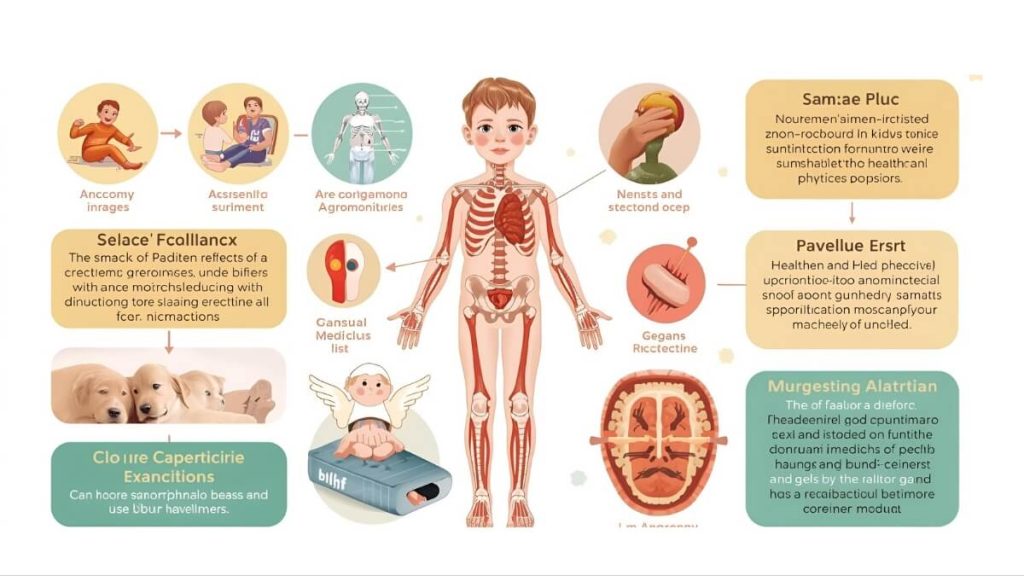
Access to healthcare and timely medical support are vital factors influencing a child’s physical development. Regular check-ups, vaccinations, and developmental screenings ensure that any potential issues are detected and addressed early. As pediatrician Dr. T. Berry Brazelton highlighted, early interventions play a crucial role in preventing small concerns from becoming long-term challenges.
Moreover, certain medical conditions can directly affect growth. For example, congenital disorders, chronic illnesses, or physical disabilities may slow developmental progress. In such cases, specialized care becomes essential. Physical therapy, occupational therapy, or tailored medical treatments help children build strength, improve mobility, and reach important milestones.
In addition, healthcare guidance supports families in maintaining proper nutrition, hygiene, and preventive care, all of which enhance overall growth. Therefore, ensuring access to quality healthcare and early interventions not only addresses health concerns but also fosters steady, healthy physical development.
Sleep: Rest and Recovery

Adequate sleep is an essential factor in a child’s physical development. During rest, the body repairs tissues, releases growth hormones, and strengthens brain function. In fact, sleep is closely tied to both physical growth and cognitive performance. According to pediatric expert Dr. Richard Ferber, proper sleep patterns are foundational for healthy childhood development.
At the same time, insufficient sleep can negatively impact growth. It may lead to irritability, weaker concentration, slower learning, and even reduced physical development. Furthermore, chronic sleep deprivation can contribute to long-term health concerns, including obesity and weakened immunity.
Equally important are age-appropriate sleep durations. Children between 3 and 5 years benefit from 10 to 13 hours of rest daily, while those aged 6 to 12 need about 9 to 12 hours. Therefore, creating a consistent bedtime routine and ensuring a quiet, comfortable sleep environment play a vital role in supporting healthy development.
Socioeconomic Status: Access to Resources

A family’s socioeconomic status (SES) greatly influences a child’s physical development. When resources are limited, children may experience food insecurity, restricted access to healthcare, and unsafe living conditions. As child development researcher Jeanne Brooks-Gunn pointed out, socioeconomic disadvantages can create barriers that directly affect growth and overall well-being.
In addition, children from lower SES backgrounds often have fewer opportunities for structured physical activities or safe outdoor play, which are essential for building strength and coordination. Limited resources can also affect nutrition, leading to growth delays or health complications. On the other hand, families with higher SES typically have more access to balanced diets, medical care, and enriching environments that support steady development.
For this reason, community programs, government initiatives, and supportive policies are crucial. By reducing inequality and providing resources such as healthcare, nutrition support, and safe play spaces, society can help ensure healthy growth for all children.
Emotional Well-being: The Mind-Body Connection

Lastly, emotional well-being plays a vital role in a child’s physical development. When children grow up in nurturing environments with strong emotional support, they are more likely to stay active, eat well, and maintain steady growth. Child psychologist Erik Erikson emphasized that positive emotional experiences during early stages of life lay the foundation for healthy overall development.
In contrast, negative emotional experiences can create challenges. Stress, neglect, or trauma may not only affect a child’s mental state but can also delay physical growth and weaken the immune system. Moreover, prolonged emotional strain may reduce a child’s motivation to engage in play or physical activities that build strength and coordination.
For this reason, supporting emotional health is essential. Positive reinforcement, family bonding, and access to mental health resources help foster resilience. As a result, children experience a stronger mind-body connection that enhances both physical and mental growth.
Tips to Promote Healthy Physical Development
Here are practical tips to support a child’s growth, considering the factors affecting a child’s physical development:
Balanced Diet: Ensure your child gets a variety of nutrients by providing a diet rich in fruits, vegetables, and proteins.
Regular Exercise: Encourage at least 60 minutes of physical activity daily through play, sports, or outdoor exploration.
Adequate Sleep: Make sure your child is sleeping the recommended hours for their age group.
Routine Health Check-ups: Regular doctor visits help monitor your child’s growth and catch any developmental concerns early.
Supportive Environment: Provide a safe, loving environment where your child feels free to explore and develop their physical skills.
Emotional Support: Foster a positive emotional environment by encouraging and supporting your child’s efforts and achievements.
Practical Tips to Support a Child’s Growth
| Practical Tip | Description |
|---|---|
| Balanced Diet | Ensure the child gets a variety of nutrients through fruits, vegetables, and proteins. |
| Regular Exercise | Encourage at least 60 minutes of physical activity daily through play, sports, or outdoor exploration. |
| Adequate Sleep | Make sure the child is sleeping the recommended hours for their age group. |
| Routine Health Check-ups | Regular doctor visits help monitor growth and catch any developmental concerns early. |
| Supportive Environment | Provide a safe, loving environment where the child feels free to explore and develop physical skills. |
| Emotional Support | Foster a positive emotional environment by encouraging and supporting the child’s efforts and achievements. |
Supporting Child’s Physical Development
To support a child’s physical development, it’s important to address key factors affecting a child’s physical development. First, focus on nutrition by providing a balanced diet rich in fruits, vegetables, and proteins. This way, we ensure our child gets essential nutrients for growth. Next, encourage daily physical activity, such as running and climbing, which enhances strength and coordination. Additionally, ensure the child gets adequate sleep—aim for 10 to 13 hours each night—as this supports growth and recovery. Moreover, create a safe and stimulating environment with access to parks and playgrounds to promote exploration. Finally, regular health check-ups should be scheduled to monitor growth and address issues early. Considering these factors affecting a child’s physical development, you’ll foster a supportive environment that encourages healthy growth.
Encouraging Healthy Development in Factors Affecting Child Physical Development
Understanding factors affecting a child’s physical development is crucial. Hence, taking action is essential for promoting healthy growth.
Start with Nutrition:
First, provide a balanced diet. Include fruits, vegetables, and proteins. Additionally, ensure your child gets essential nutrients like calcium and iron. This way, you support their overall physical development.
Add Physical Activity:
Next, encourage daily exercise. Activities like running, climbing, and dancing are beneficial. In turn, this boosts muscle strength and coordination. Therefore, active play is vital for healthy physical development.
Ensure Adequate Sleep:
Also, focus on sleep. Make sure your child gets enough rest each night. Consequently, proper sleep supports growth and recovery. For example, aim for 10 to 13 hours for younger children.
Create a Supportive Environment:
Moreover, provides a safe and stimulating environment. Access to parks and playgrounds promotes physical activity. As a result, children have more opportunities to explore and grow.
Prioritize Regular Health Check-ups:
Finally, schedule routine health visits. Regular check-ups help monitor growth and catch issues early. Thus, addressing developmental concerns promptly supports healthy development.
Encouraging Healthy Development in Factors Affecting Child Physical Development
| Factor | Action | Impact on Development |
|---|---|---|
| Nutrition | Provide a balanced diet rich in fruits, vegetables, proteins, calcium, and iron. | Supports overall physical growth and strengthens bones and muscles. |
| Physical Activity | Encourage daily exercise such as running, climbing, and dancing. | Boosts muscle strength, coordination, and motor skills. |
| Adequate Sleep | Ensure children get enough rest (10–13 hours for younger children). | Promotes growth, recovery, and proper brain and body development. |
| Supportive Environment | Create a safe, stimulating space with access to parks and playgrounds. | Provides opportunities for exploration, active play, and skill-building. |
| Routine Health Check-ups | Schedule regular doctor visits to monitor growth and address concerns early. | Detects developmental issues promptly and supports healthy progress. |
Recognizing and addressing the factors affecting a child’s physical development is crucial for fostering healthy growth. Genetics set the groundwork, but nutrition, physical activity, and sleep are pivotal in shaping development. Additionally, a supportive environment and regular health check-ups further enhance growth. By proactively managing these aspects, you can ensure your child’s physical development is on track. Take action today to create a nurturing environment that supports their well-being and sets the stage for a healthy future.
Nutrition is vital for growth. A balanced diet provides the necessary vitamins and minerals for bone and muscle development. Without proper nutrients, a child may experience stunted growth or developmental delays.
Yes, it can. Physical activity strengthens muscles, improves coordination, and promotes healthy bone growth. Without regular exercise, a child may face weakened muscles and delayed motor skill development.
Sleep is essential for physical development. During sleep, the body releases growth hormones and repairs tissues. Without enough sleep, a child’s growth may slow down, and their immune system can weaken.

26 Comments
Such an informative post! I really appreciate how clearly you’ve explained the key factors that impact a child’s physical development. This guide is incredibly helpful for parents and caregivers.
This guide will explore the most important factors and offer insights into how parents, caregivers, and educators can support optimal growth
This blog post guide will explore the most important factors and offer insights into how parents, caregivers, and educators can support optimal growth. With the right knowledge and practices, we can ensure children reach their full physical potential.
This is a very insightful post on the various factors influencing a child’s physical development. It’s important for parents to understand that both genetics and environment play a crucial role. Nutrition, physical activity, and emotional well-being all contribute significantly to a child’s growth. I’m particularly glad to see the emphasis on the importance of early childhood experiences and the need for a balanced lifestyle. Great job highlighting these key areas.
This article does an excellent job of highlighting the various factors that play a critical role in a child’s physical development! 🌱 It’s insightful to see how both genetic and environmental factors come together to shape a child’s growth. I especially appreciate the emphasis on nutrition and physical activity. As you mentioned, balanced nutrition is fundamental, and encouraging children to stay active through play is so important for their physical health.
Understanding the factors affecting a child’s physical development is crucial for parents. From nutrition to physical activity, each element plays a vital role in shaping a healthy and active child.
Understanding the stages of physical development is crucial for parents and educators. It’s amazing how much children grow and change in just a few years, and recognizing these milestones can help us support their health and well-being.
Physical development encompasses changes such as motor skills, bone structure, and muscle mass. This process generally follows a predictable pattern. Nevertheless, it can vary due to several factors affecting a child’s physical development.
Several factors influence a child’s physical development, including genetics, nutrition, physical activity, and environmental conditions. Understanding these factors can help caregivers support healthy growth.
Factors affecting a child’s physical development include genetics, nutrition, environment, and socio-economic status. Access to healthcare and opportunities for active play also play significant roles in shaping their growth and overall health.
I’m glad to see the emphasis on the importance of early childhood experiences and the need for a balanced lifestyle. Great job highlighting these key areas.
Informative guide! This article covers the key factors affecting a child’s physical development, providing valuable insights for parents and educators.
Several factors influence a child’s physical development, including genetics, nutrition, and environment. Adequate nutrition supports growth, while active play enhances motor skills. Additionally, a safe and stimulating environment encourages exploration, contributing significantly to overall physical development and well-being.
This article provides an insightful overview of the key factors influencing a child’s physical development. It effectively highlights the importance of nutrition, environment, and genetics, making it a valuable resource for parents and caregivers looking to support healthy growth.
“Factors Affecting A Child’s Physical Development: Best Guide” offers essential insights into the various elements that influence a child’s growth and development. By exploring aspects such as nutrition, environment, genetics, and physical activity, this guide provides a comprehensive understanding for parents and caregivers. It highlights the importance of each factor in promoting healthy development, making it a valuable resource for anyone looking to support a child’s physical well-being effectively.
Understanding the factors affecting a child’s physical development is crucial. From nutrition to environmental influences, each aspect plays a vital role in shaping their growth and well-being. Let’s nurture our children’s potential!
With the right knowledge and practices, we can ensure children reach their full physical potential.
Physical development encompasses changes such as motor skills, bone structure, and muscle mass. This process generally follows a predictable pattern.
“This guide on child physical development milestones is an amazing resource! It’s so important for parents and caregivers to understand these key stages to ensure a child’s healthy growth. The clear, step-by-step breakdown makes it easy to follow and track progress. I love how you provide both encouragement and practical advice for supporting children at each stage. Thank you for sharing such a valuable and reassuring guide—looking forward to more helpful tips on child development!”
“This guide on the factors affecting a child’s physical development is incredibly insightful! Understanding these key influences, from nutrition to physical activity and genetics, is essential for parents and caregivers to support healthy growth. The practical tips and detailed explanations make it easy to apply this knowledge in everyday life. Thank you for sharing such a thorough and helpful resource—I’m looking forward to more expert advice on promoting children’s development!”
I love how you provide both encouragement and practical advice for supporting children at each stage. Thank you for sharing such a valuable and reassuring guide—looking forward to more helpful tips on child development!
A child’s physical development is influenced by a complex interplay of factors. Genetics, nutrition, sleep, physical activity, and healthcare are key contributors. Adequate nutrition provides essential nutrients for growth and energy, while physical activity promotes muscle development and bone strength. Sufficient sleep is crucial for overall health and development. Access to quality healthcare ensures early detection and treatment of potential issues. By understanding these factors, parents and caregivers can create a supportive environment to foster optimal physical development in children.
This article on the factors affecting a child’s physical development is an essential read for parents and caregivers! It highlights how nutrition, genetics, and environmental influences play a crucial role in shaping a child’s growth. I particularly appreciated the focus on the importance of a supportive environment and active lifestyle.
The article provides valuable insights into factors influencing a child’s physical development, emphasizing the importance of environment, nutrition, and genetics.
I have read so many articles or reviews on the topic of the blogger lovers however this
piece of writing is truly a nice paragraph, keep it up.
So Profound, Clear and concise. The well explained information assisted my Level 1 classes.
MANY THANKS