

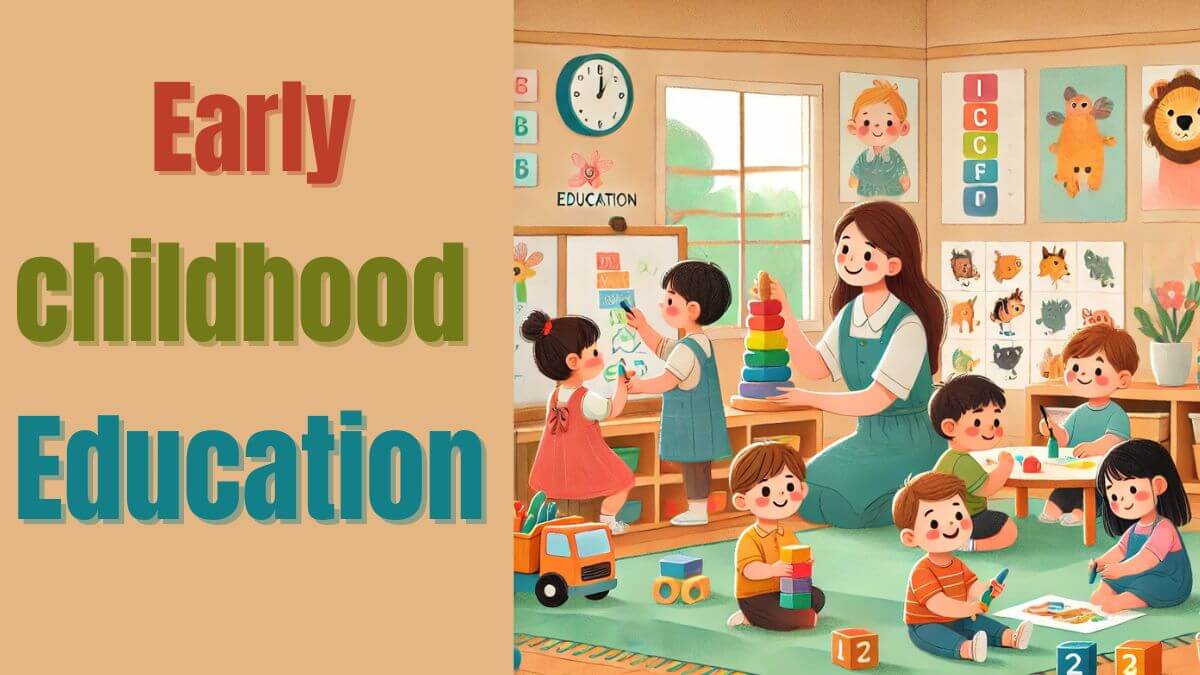
Early childhood education (ECE) plays a crucial role in shaping a child’s future. From fostering cognitive development to building essential social skills, the impact of ECE is profound and lasting. But what exactly is ECE, and why is it so important? ECE encompasses the foundational learning experiences children receive during their most formative years, helping them develop critical thinking, problem-solving abilities, and emotional resilience.
This blog post provides a detailed guide on ECE, focusing on why it matters, what it entails, and how it benefits children. Whether you’re a parent, educator, or policymaker, this post will offer valuable insights into this essential field.
What Is Early Childhood Education?

Early childhood education refers to the formal and informal teaching that occurs from birth to age eight, a crucial period for shaping a child’s future. It nurtures cognitive, social, and emotional development through structured play, interactive learning, and positive reinforcement. As Maria Montessori said, “The goal of early childhood education should be to activate the child’s natural desire to learn.” During these formative years, children absorb knowledge rapidly, making early education essential for building strong foundations in literacy, numeracy, and emotional skills. Moreover, it supports lifelong learning, setting children toward academic and personal success.
ECE can take many forms, from structured classroom environments in preschool settings to informal learning at home. Programs focus on developing cognitive, social, emotional, and physical skills through a variety of activities and approaches.
Why Is Early Childhood Education Important?
Early childhood education is more than just preparation for school; it’s the cornerstone of a child’s holistic development. As renowned child development expert Dr. James Heckman notes, “The best investment we can make is in early childhood development.” Research consistently shows that children who engage in high-quality early education are not only more likely to succeed academically but also socially.
During these formative years, the brain is highly adaptable, making it the ideal time to foster growth in cognitive, language, and emotional skills. By offering positive learning experiences, ECE helps children build the critical tools they need to navigate their world. Furthermore, strong early education sets the foundation for future learning, problem-solving, and emotional regulation. As a result, investing in early childhood education doesn’t just benefit individual children—it also contributes to creating a more successful and well-rounded society. Ultimately, early learning is key to shaping future success.
Key Benefits of Early Childhood Education
Early childhood education offers key benefits by fostering cognitive, social, and emotional development during a child’s most formative years. Moreover, it helps children develop critical thinking, language skills, and emotional regulation, setting the stage for academic success. As a result, children who participate in quality ECE programs are better equipped to thrive in school and life.
Cognitive Development

Early childhood education (ECE) offers key benefits for cognitive development by significantly improving memory, attention, and problem-solving skills. Through engaging and playful learning activities, children are encouraged to explore their surroundings and ask questions, fostering their natural curiosity. Consequently, this playful approach not only enhances their ability to focus but also builds a strong foundation for lifelong learning. Moreover, ECE provides opportunities for social interaction, allowing children to collaborate and learn from their peers. Ultimately, high-quality early education equips children with essential cognitive skills that will support their academic success and personal growth throughout their lives.
Social and Emotional Growth

Early childhood education (ECE) plays a crucial role in promoting social and emotional growth among children. Through structured activities, children learn to express their emotions effectively and build meaningful relationships with peers and adults. Furthermore, participating in group activities fosters teamwork and cooperation, which are essential skills for success in both school and life. Additionally, ECE encourages the development of empathy as children engage in collaborative play and learn to understand the feelings of others. As a result, high-quality early education not only supports social skills but also lays the groundwork for emotional resilience, enabling children to navigate social situations confidently throughout their lives.
Language and Communication

Early childhood education (ECE) significantly enhances language and communication skills, providing children with essential tools for future literacy. Through rich interactions and exposure to diverse vocabulary in ECE settings, children develop stronger communication abilities. As they engage in conversations, storytelling, and interactive play, they not only expand their vocabulary but also learn to express their thoughts and feelings more effectively. Moreover, these early language skills are vital for reading and writing later in life. Consequently, high-quality ECE programs foster a love for language, setting a solid foundation for academic success and helping children become confident communicators as they grow.
Physical Development

Early childhood education (ECE) plays a vital role in promoting physical development through various activities that enhance motor skills and overall health. In ECE programs, children engage in both fine and gross motor activities, such as writing, drawing, running, and jumping. These activities are crucial for developing coordination, balance, and strength. Furthermore, regular physical activity helps improve children’s physical health, reducing the risk of obesity and associated health issues. As a result, ECE not only supports essential motor skill development but also instills healthy habits that can last a lifetime. Ultimately, fostering physical development in early education sets the stage for a healthier, more active future.
What Should Parents Look for in an Early Childhood Education Program?
Choosing the right ECE program can feel overwhelming, but there are a few key factors to consider:
Quality of Curriculum
When evaluating an early childhood education program, parents should prioritize a well-rounded curriculum that promotes cognitive, social, and physical development. The best programs incorporate hands-on learning and play-based activities, as these methods engage children and make learning enjoyable. Additionally, look for a curriculum that balances academic skills with creativity, social interaction, and physical activity, ensuring holistic growth. Moreover, the inclusion of age-appropriate materials and individualized attention is essential. Programs should also emphasize collaboration, helping children develop problem-solving and communication skills. Transitioning smoothly between structured lessons and free play ensures a dynamic and engaging learning environment.
Qualified Educators
When selecting an early childhood education program, parents should focus on the qualifications of the educators. Teachers play a crucial role in shaping a child’s early learning experience. Therefore, ensure that they are well-trained in early childhood education and have hands-on experience working with young children. Additionally, educators should possess strong communication skills and demonstrate patience, empathy, and a passion for teaching. Look for programs where teachers regularly undergo professional development to stay updated on the latest teaching methods. Moreover, a low student-to-teacher ratio is important, as it allows for more individualized attention and nurturing relationships.
Safe and Nurturing Environment
When choosing an early childhood education program, parents should prioritize a safe and nurturing environment. First and foremost, the space should be secure, with appropriate safety measures in place. Additionally, the environment must be inclusive, where every child feels welcomed and valued. A stimulating atmosphere is equally important, encouraging curiosity and creativity through well-designed classrooms and learning materials. Moreover, children should feel comfortable, fostering a sense of belonging that helps them thrive. Look for programs that promote both emotional and physical well-being, ensuring children can explore, interact, and learn with confidence and excitement every day.
Family Involvement
When evaluating an early childhood education program, parents should consider the level of family involvement it promotes. Programs that encourage active participation from parents and caregivers foster a strong, supportive learning community. Furthermore, look for schools that welcome families as partners in their child’s education journey, offering regular opportunities for communication, feedback, and collaboration. These programs often include events, workshops, or parent-teacher meetings to keep families engaged. Moreover, family involvement helps reinforce learning at home and builds a stronger connection between the child’s school and home life. Such collaboration ultimately supports the child’s overall development and success.
Here is a detailed chart summarizing the key factors parents should look for in an Early Childhood Education (ECE) program:
| Key Factor | What to Look For | Why It Matters |
|---|---|---|
| Quality of Curriculum | – Play-based and hands-on activities – Balanced focus on academics, creativity, social, and physical skills – Use of age-appropriate materials | – Encourages holistic growth – Makes learning engaging and meaningful – Develops problem-solving and communication skills |
| Qualified Educators | – Trained in early childhood education – Experience with young children – Low student-to-teacher ratio – Ongoing professional development | – Ensures effective teaching – Promotes individualized attention – Builds nurturing, supportive relationships |
| Safe & Nurturing Environment | – Secure and child-safe facilities – Inclusive and welcoming atmosphere – Stimulating and organized classrooms – Emotional and physical well-being focus | – Encourages exploration and confidence – Fosters a sense of belonging – Supports curiosity and creativity |
| Family Involvement | – Regular parent-teacher communication – Events, workshops, and feedback opportunities – Encourages learning at home | – Builds school-home connection – Reinforces learning – Enhances overall child development and success |
How Can Early Childhood Educators and Caregivers Support Children?
Educators and caregivers are the backbone of any early childhood education program. They have the power to inspire and shape young minds. Here are some ways they can support children’s development:
Encourage Play-Based Learning
To support children’s development, early childhood educators and caregivers should encourage play-based learning. Play is a crucial part of early education, as it helps children develop problem-solving, creativity, and social skills. Therefore, educators should design activities that promote exploration and imagination, allowing children to learn through experience. Additionally, structured and unstructured play opportunities should be balanced to nurture different aspects of development. By incorporating games, pretend play, and hands-on activities, educators create a stimulating environment that fosters curiosity. Moreover, play-based learning encourages children to interact with peers, enhancing communication and teamwork skills, while making learning enjoyable and effective.
Foster a Positive Learning Environment
To support children’s growth, early childhood educators and caregivers should foster a positive learning environment. Children thrive when they feel emotionally safe and valued. Therefore, educators must create classrooms that promote emotional security and encourage curiosity. Additionally, celebrating small successes helps build confidence and motivation. When challenges arise, providing gentle guidance fosters resilience and problem-solving skills. Moreover, creating a welcoming, inclusive space where children feel free to express themselves enhances their learning experience. By nurturing positive interactions and supporting emotional well-being, educators create an environment where children are eager to explore, learn, and grow at their own pace.
Collaborate with Families
To support children effectively, early childhood educators and caregivers should collaborate closely with families. Building strong relationships with parents ensures a consistent and holistic approach to a child’s development. Regular communication, such as through parent-teacher meetings or daily updates, helps educators gain valuable insights into the child’s needs, strengths, and experiences at home. Additionally, this partnership allows for better alignment between home and school, reinforcing learning and positive behaviors. By involving families in the education process, educators can tailor their teaching strategies to support the child’s growth. Ultimately, this collaboration creates a nurturing and supportive environment for the child.
Here is a detailed chart summarizing how early childhood educators and caregivers can support children’s development:
| Support Strategy | What It Involves | Why It Matters |
|---|---|---|
| Encourage Play-Based Learning | – Design engaging, hands-on activities – Balance structured and unstructured play – Include pretend play, games, and exploration | – Develops creativity and problem-solving – Enhances social and communication skills – Makes learning enjoyable and effective |
| Foster a Positive Learning Environment | – Create emotionally safe and inclusive spaces – Celebrate small successes – Guide children gently through challenges | – Builds confidence and motivation – Supports emotional well-being and resilience – Encourages curiosity and self-expression |
| Collaborate with Families | – Maintain regular communication – Share insights and progress – Align home and school learning strategies | – Ensures a holistic approach – Reinforces positive behaviors – Strengthens the support system around the child |
Tips for Parents and Guardians to Support Early Childhood Education at Home
Parents and guardians play a significant role in a child’s education, especially in the early years. Here are some practical ways to support early childhood education at home:
Read Together Regularly
One of the best ways parents and guardians can support early childhood education at home is by reading together regularly. Reading not only strengthens language and literacy skills but also fosters a deeper parent-child connection. Additionally, it nurtures a lifelong love for learning and curiosity. To make the most of this time, choose age-appropriate books and engage children with questions about the story. Moreover, incorporating reading into a daily routine helps children develop strong vocabulary and comprehension skills. As children hear and discuss new words, they become more confident in expressing themselves, setting a strong foundation for academic success.
Create Learning Opportunities
Early childhood educators and caregivers can support children by creating learning opportunities in everyday activities. Simple moments like cooking or shopping offer valuable chances for learning. For example, involve children by asking them to count ingredients while cooking, which enhances their cognitive and math skills. Additionally, encourage curiosity by asking questions about objects during outings, helping to build language and observation skills. These everyday experiences not only reinforce academic concepts but also foster social skills through communication and interaction. By turning daily tasks into engaging learning opportunities, educators and caregivers help children develop critical thinking and a love for discovery.
Promote Playtime
Early childhood educators and caregivers can support children by promoting regular playtime, which is crucial for learning and development. Play is not just about fun; it helps children develop important cognitive, social, and physical skills. Encourage children to engage in various types of play, such as imaginative play, outdoor activities, or problem-solving games. For instance, imaginative play fosters creativity and social understanding, while outdoor activities promote physical health. Additionally, problem-solving games enhance critical thinking and resilience. By incorporating diverse play experiences, educators help children explore new ideas, build confidence, and develop a well-rounded set of skills essential for growth.
Set a Routine
Early childhood educators and caregivers can significantly support children by setting a consistent routine. Children thrive when they have a structured day that includes designated times for play, learning, and rest. This consistency helps them feel secure, as they know what to expect throughout the day. Additionally, a routine fosters a sense of responsibility, encouraging children to anticipate their next activity. Moreover, incorporating regular transitions between activities allows children to develop time-management skills. By maintaining a balanced routine, educators and caregivers create an environment that promotes stability, understanding of expectations, and overall emotional well-being, essential for healthy development.
Here is a clear and informative chart summarizing Tips for Parents and Guardians to Support Early Childhood Education at Home:
| Tip | What It Involves | Why It Matters |
|---|---|---|
| Read Together Regularly | – Read age-appropriate books daily – Ask questions to engage children – Make it a routine | – Boosts language and literacy skills – Builds vocabulary and comprehension – Fosters love for learning |
| Create Learning Opportunities | – Use daily tasks for learning (e.g., counting while cooking) – Encourage questions and observations | – Enhances cognitive, language, and math skills – Supports curiosity and communication |
| Promote Playtime | – Encourage imaginative, outdoor, and problem-solving play – Offer a variety of play experiences | – Builds creativity, physical health, and social skills – Supports overall development and confidence |
| Set a Routine | – Establish consistent schedules for play, learning, and rest – Use routines to build structure | – Provides emotional security – Teaches time management and responsibility – Encourages stability and focus |
Why Policymakers and Child Advocacy Groups Should Prioritize Early Childhood Education
Policymakers and child advocacy groups must prioritize early childhood education (ECE) because its benefits extend far beyond the individual child. Not only does high-quality ECE enhance cognitive and social development, but it also offers long-term societal gains. For instance, research shows that children who attend quality ECE programs tend to have lower crime rates, better health outcomes, and increased economic productivity.
Therefore, investing in accessible, high-quality ECE programs can help policymakers build a stronger future workforce while addressing societal inequalities. Moreover, such investments contribute to breaking cycles of poverty. Meanwhile, child advocacy groups play a crucial role in promoting policies that ensure every child, regardless of their background, has access to early education. Through collective efforts, both policymakers and advocates can create a more equitable society, ensuring that children are set on a path toward lifelong success. Consequently, prioritizing ECE is a key strategy for sustainable societal development.
Early Childhood Education—A Foundation for Lifelong Success

“Early childhood education is essential in building a foundation for lifelong success,” notes Dr. James Heckman, Nobel Laureate in Economics. Studies show that children in quality early learning programs develop cognitive, social, and emotional skills, helping them excel academically and socially. Parents, educators, and policymakers play critical roles in creating nurturing environments that foster growth and equity, ensuring all children have the opportunity to reach their full potential.
In conclusion, early childhood education unlocks lifelong success, equipping children with essential academic, social, and emotional tools. Quality early learning fosters equity and societal prosperity, benefiting individuals and communities alike. By prioritizing early education, parents, educators, and policymakers lay the groundwork for brighter futures and long-term societal success.
Early childhood education is critical because it lays the foundation for a child’s future learning, behavior, and overall development. During these early years, children develop essential skills such as language, social-emotional understanding, problem-solving, and cognitive abilities. Quality early education programs can significantly impact a child’s success in school and later life.
A quality early childhood education program should focus on child-centered learning, a safe and nurturing environment, age-appropriate activities, skilled educators, and strong partnerships with families. The curriculum should promote the development of social, emotional, cognitive, and physical skills while encouraging exploration and creativity.
Parents can support early childhood education by engaging in activities that promote learning, such as reading aloud, playing educational games, encouraging curiosity, and providing a structured routine. It’s also helpful to foster a positive and encouraging environment where children feel safe to explore and learn new concepts. Active communication with educators can also help parents align home activities with the child’s educational goals.
