


The significance of a child’s educational development is essential for their future success. From an early age, children begin acquiring foundational skills that shape their cognitive, social, and emotional growth. Through this process, they learn to think critically, solve problems, and communicate effectively. Moreover, a strong educational foundation helps children adapt to new challenges and environments, preparing them for academic achievement and lifelong learning. By prioritizing the importance of a child’s educational development, parents, educators, and communities can ensure that children grow into confident, capable individuals ready to contribute meaningfully to society.
In this post, we’ll explore the Importance of Child’s Educational Development and how it impacts not only children but also society. This guide will provide tips and insights on fostering this crucial aspect of childhood development.
The Role of Educational Development
Educational development plays a crucial role in a child’s growth, and as children progress through each stage, they acquire vital academic, social, and life skills. For instance, early childhood education lays the foundation for cognitive and social abilities, while formal schooling builds on these skills to foster problem-solving and critical thinking. Moreover, as children move into higher learning, they gain specialized knowledge and further develop their communication and interpersonal abilities. Consequently, every phase of education contributes significantly to shaping a child’s future success. Therefore, understanding Importance of Child’s Educational Development helps ensure children reach their full potential.
Importance of Child’s Educational Development
Importance of Child’s Educational Development cannot be overstated, as it equips them with the essential tools needed to succeed in life. First, it fosters cognitive, social, and emotional growth, enabling children to acquire knowledge, develop critical thinking skills, and build self-confidence. Early education forms the foundation for lifelong learning, shaping how children perceive and interact with the world. Moreover, it promotes social skills like cooperation and communication, which are vital for personal and professional relationships. Additionally, education equips individuals to adapt to changing environments and solve complex problems. Ultimately, Importance of Child’s Educational Development empowers children to pursue their goals and contributes to the overall well-being of society.
The Importance of Child’s Educational Development lies in its role in fostering cognitive growth, social-emotional skills, and lifelong success from an early age. here are details why Child’s Educational Development is important;
Building Critical Thinking

Education fosters critical thinking by encouraging children to question, analyze, and evaluate information. As they learn to think more deeply, they develop essential problem-solving skills that benefit both academic and real-life situations. For example, when children face challenging tasks, they can apply logic and reasoning to find effective solutions. Moreover, critical thinking helps them become more independent learners, as they can assess different perspectives and make informed decisions. Consequently, this ability not only supports academic success but also prepares them for future challenges. Therefore, promoting critical thinking through education is crucial for overall personal and intellectual growth.
Social and Emotional Growth
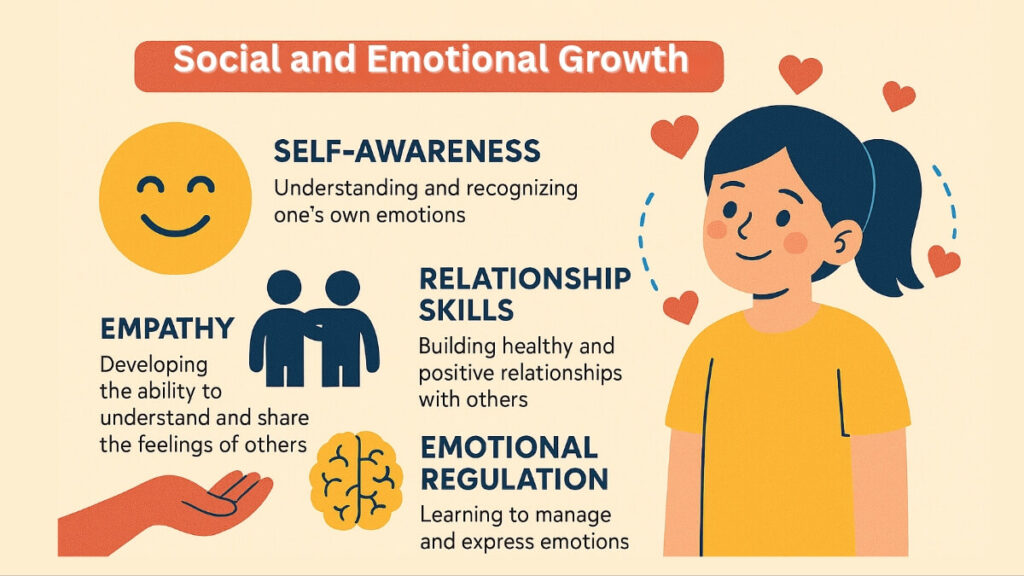
Educational settings offer valuable opportunities for children to interact with peers and teachers, which fosters social and emotional growth. Through these interactions, children develop emotional intelligence, learning how to understand and manage their own emotions while showing empathy toward others. Additionally, they enhance their collaboration skills by working with classmates on group activities, which strengthens their ability to cooperate and communicate effectively. As they grow, these skills become even more essential for navigating social situations in adulthood. Therefore, education plays a vital role in nurturing emotional and social development and preparing children for personal and professional relationships later in life.
Boosts Academic Achievement
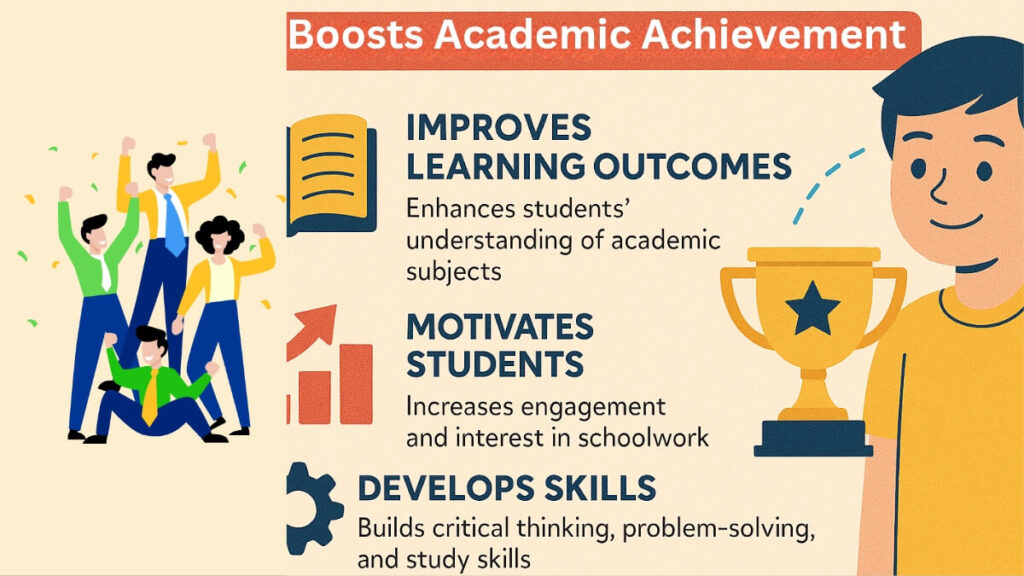
Boosting academic achievement is one of the primary benefits of educational development. First, it lays a strong foundation for children’s future success by equipping them with essential skills in subjects like math, literacy, and science. Furthermore, these skills enable children to tackle increasingly complex concepts as they progress through their education. Additionally, a solid educational foundation fosters confidence, encouraging students to engage more deeply with their learning. As a result, children who experience strong educational development often demonstrate improved performance in school. Ultimately, prioritizing academic skills not only enhances learning but also prepares children for lifelong success in various pursuits.
Enhances Adaptability
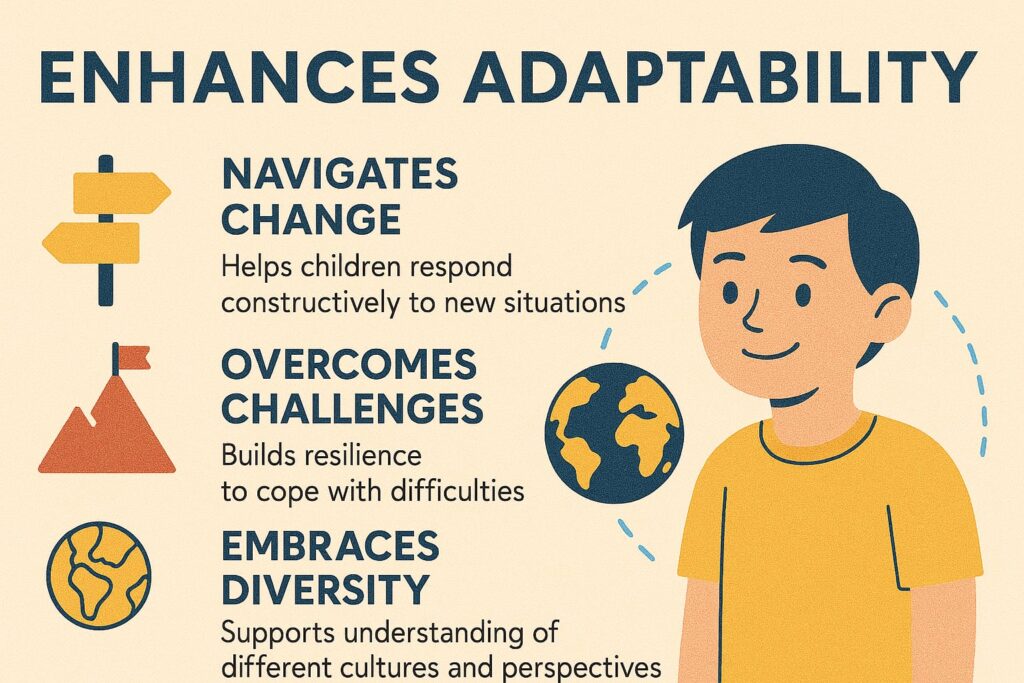
Enhancing adaptability is a crucial benefit of a strong educational foundation. First, it equips children with the skills needed to navigate an ever-changing world. By learning to acquire new skills, they become more comfortable adjusting to different environments and embracing various challenges. Moreover, this adaptability fosters resilience, allowing children to bounce back from setbacks and uncertainties. Additionally, as they face new experiences, they develop confidence in their ability to manage change. Ultimately, a solid educational background prepares children not just for academic success but also for the dynamic nature of life, ensuring they can thrive in diverse situations and challenges.
Encourages Critical Thinking
Encouraging critical thinking is a fundamental aspect of educational development. First, it cultivates analytical skills that enable children to assess information critically. By engaging in discussions and problem-solving activities, students learn to evaluate different perspectives and draw logical conclusions. Moreover, this skill set empowers children to make informed decisions in various situations, from academic challenges to everyday life. Additionally, critical thinking fosters independence, as students become more confident in their ability to think for themselves. Ultimately, by prioritizing crucial thinking in education, parents and educators equip children with the tools necessary to navigate complex issues and thrive in a rapidly changing world.
Fosters Creativity
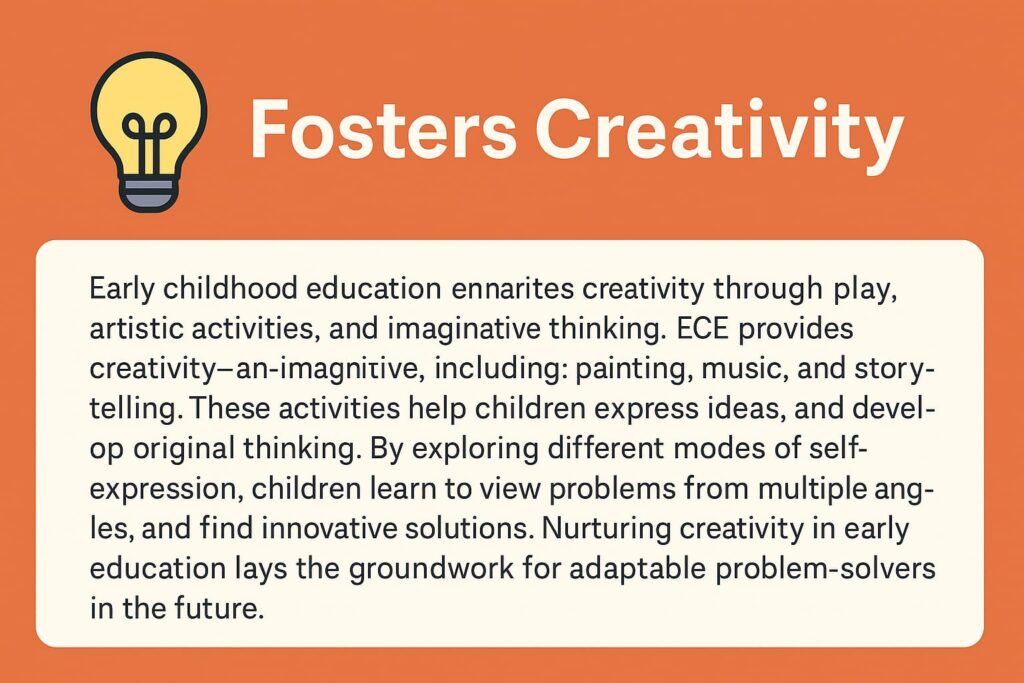
Fostering creativity is a vital component of educational development. First, it encourages children to explore ideas freely, allowing them to think outside the box. By providing opportunities for artistic expression, problem-solving, and imaginative play, educators create an environment where innovative thinking can flourish. Furthermore, this approach helps children develop unique perspectives and solutions, which are essential in today’s dynamic world. Additionally, when children are encouraged to express themselves in diverse ways—whether through art, writing, or collaborative projects—they gain confidence in their abilities. Ultimately, fostering creativity not only enhances individual expression but also prepares children to adapt and thrive in various contexts.
Builds Confidence

Building confidence is a crucial benefit of a strong educational foundation. First, it instills self-assurance in children, enabling them to tackle challenges with a positive mindset. By providing supportive learning environments, educators encourage students to engage in discussions and share their thoughts, fostering a sense of ownership over their learning. Furthermore, as children experience success in various tasks, their confidence grows, empowering them to voice their opinions and take initiative. Additionally, this newfound self-assurance helps them navigate social interactions and develop leadership skills. Ultimately, a solid educational foundation not only enhances academic performance but also nurtures resilient, confident individuals ready to face the world.
Strengthens Community Engagement
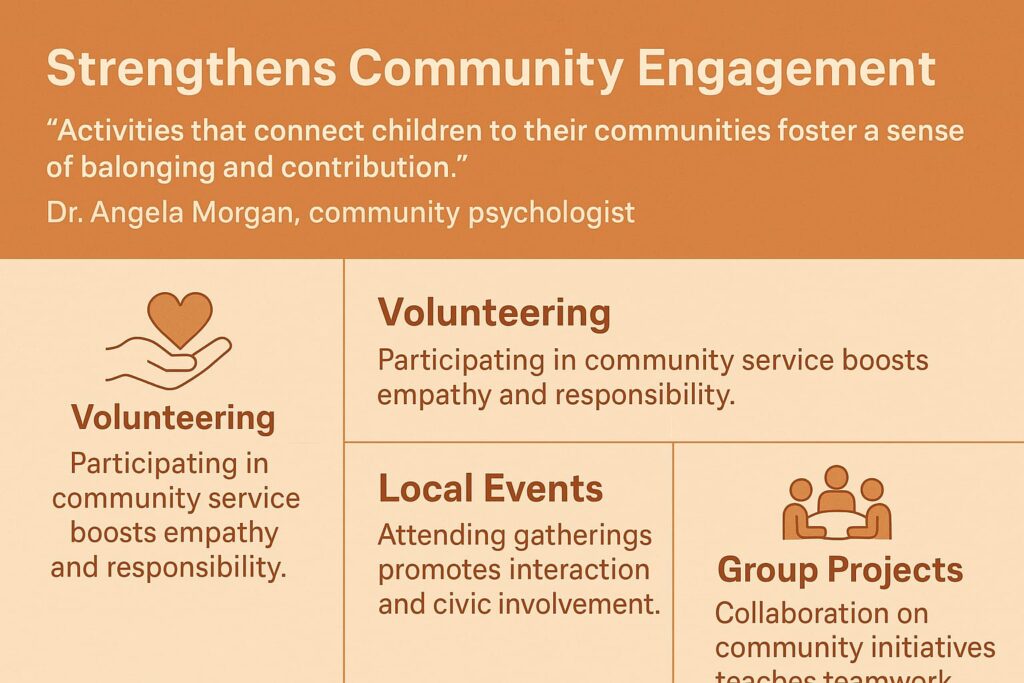
Strengthening community engagement is a vital outcome of education. First, it encourages children to develop a sense of civic responsibility, instilling values that promote active participation in their communities. Through activities like volunteering, group projects, and discussions about social issues, students learn the importance of contributing to society. Moreover, education helps children understand their roles within their communities, fostering awareness of local challenges and opportunities for improvement. Additionally, by engaging with diverse groups, children develop empathy and appreciation for different perspectives. Ultimately, an educational foundation that emphasizes community engagement prepares children to become informed, responsible citizens who positively impact the world around them.
Improves Communication Skills
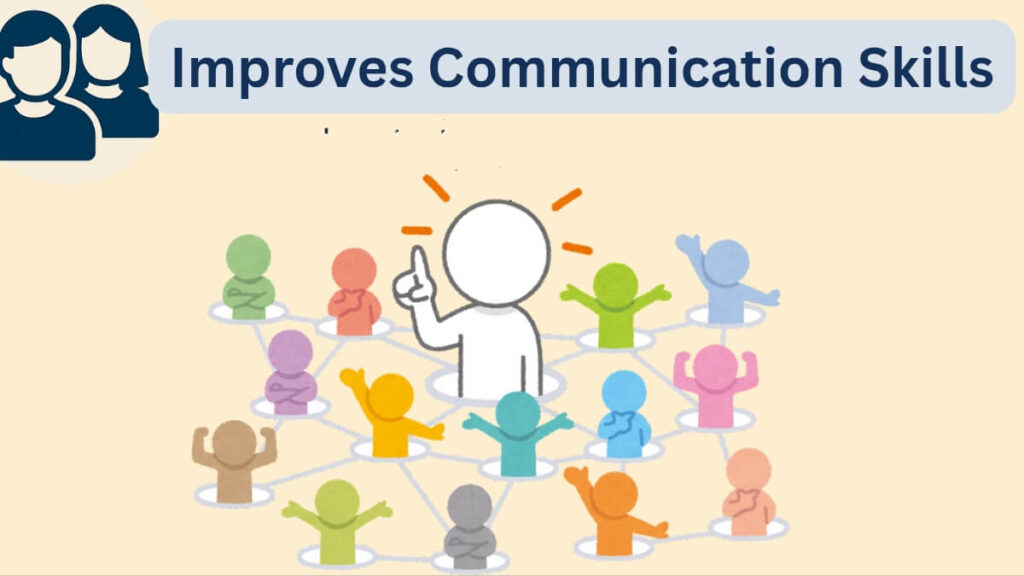
Improving communication skills is a significant advantage of educational development. First, it enhances both verbal and written abilities, equipping children with the tools needed to express their thoughts clearly and effectively. Through activities such as group discussions, presentations, and writing assignments, students practice articulating their ideas and engaging with others. Furthermore, strong communication skills foster collaboration and teamwork, essential qualities in both personal and professional settings. Additionally, as children learn to listen actively and respond thoughtfully, they develop empathy and understanding toward others. Ultimately, educational development prepares children for successful interactions in various contexts, laying the groundwork for future achievements.
Lifelong Learning Mindset
Children exposed to quality education often develop a lifelong love for learning. As they engage with diverse subjects, their curiosity grows, motivating them to explore new ideas and seek out knowledge. This eagerness to learn does not stop in the classroom; rather, it follows them throughout life, fostering adaptability and continuous growth. In an ever-evolving world, the ability to learn and adapt is essential for personal and professional success. Consequently, instilling a lifelong learning mindset in children ensures they remain curious, open to change, and prepared to navigate the challenges of an increasingly complex and dynamic world.
How to Support Educational Development
To support educational development, parents and educators must provide stimulating and engaging environments for children. This includes offering activities that promote critical thinking, creativity, and social interaction. Moreover, encouraging reading and interactive play helps children develop early literacy and problem-solving skills. Additionally, maintaining a consistent routine fosters a sense of security, which is crucial for learning. Furthermore, positive reinforcement and open communication encourage children to express themselves and explore new ideas. By actively participating in a child’s early educational journey, caregivers can help nurture a love for learning and lay the groundwork for future academic success..
Here are some practical tips:
Create a Stimulating Learning Environment
Creating a stimulating learning environment is essential for fostering a child’s cognitive and emotional growth. Whether at home or school, providing diverse materials and resources challenges their minds and encourages active learning. For instance, books help develop language skills, while puzzles enhance problem-solving abilities. Moreover, creative play stimulates imagination and critical thinking. Additionally, a well-structured environment that promotes curiosity and exploration supports children in discovering new interests and talents. Furthermore, incorporating both guided and independent activities ensures a balance between instruction and creativity. Therefore, a thoughtfully designed learning space can significantly boost a child’s educational development and overall success.
Encourage Curiosity
To support educational development, it is crucial to encourage curiosity in children. By fostering an environment where questions are welcomed, children are more likely to explore and engage with the world around them. Moreover, offering diverse activities and materials that spark interest—such as science experiments, art projects, or outdoor exploration—stimulates their natural desire to learn. Additionally, asking open-ended questions and allowing children to investigate answers promotes critical thinking. As a result, children develop a sense of wonder and excitement about learning, which lays the foundation for lifelong education. Thus, nurturing curiosity is key to supporting a child’s growth.
Promote Consistent Learning
Promoting consistent learning is essential to reinforce the lessons children receive in school. Learning doesn’t stop outside the classroom, so engaging children in educational activities at home is crucial for continued development. For example, reading regularly helps improve literacy, while solving puzzles enhances problem-solving skills. Additionally, science experiments at home foster curiosity and critical thinking. Moreover, by maintaining a routine of learning at home, children build discipline and retain knowledge more effectively. This consistent reinforcement not only strengthens academic skills but also cultivates a lifelong love for learning, ensuring that education becomes an integral part of their everyday life.
Here’s a clear and informative chart outlining ways to support educational development through specific actions:
| Focus Area | Key Actions | Benefits |
|---|---|---|
| Create a Stimulating Learning Environment | – Offer diverse learning materials (books, puzzles, art) – Designate a quiet, organized space for study – Use colorful visuals and interactive tools | Enhances focus and engagement Encourages self-driven learning |
| Encourage Curiosity | – Ask open-ended questions – Explore topics through play and real-world experiences – Introduce new ideas regularly | Builds critical thinking Sparks imagination and exploration |
| Promote Consistent Learning | – Set a regular study schedule – Reinforce concepts through repetition and variation – Link new knowledge to everyday life | Strengthens memory and understanding Fosters long-term retention |
| Support Educational Development Overall | – Celebrate learning milestones – Offer emotional encouragement – Collaborate with educators | Builds confidence and motivation Creates a supportive growth environment |
The Broader Impact of Educational Development
Educational development benefits not only individuals but entire communities. It fosters economic growth, reduces poverty, and promotes social cohesion. Additionally, it encourages innovation, strengthens democratic participation, and improves overall well-being. As education levels rise, so do employment opportunities and improved quality of life, ultimately leading to a more prosperous society.
Economic Growth
Educational development plays a crucial role in driving economic growth. When countries invest in education, they often experience increased innovation, higher productivity, and improved employment rates. Moreover, an educated workforce is better equipped to adapt to technological advancements, fostering competitiveness in the global market. As education leads to the development of specialized skills, businesses thrive, and industries grow. Additionally, higher education levels often result in higher wages and better job opportunities, which further boosts the economy. In the long term, educated populations are essential for sustainable economic prosperity, as they create a foundation for continuous growth and development.
Social Stability
Educational development significantly contributes to social stability by promoting critical thinking and responsible citizenship. People with access to quality education are more likely to participate in civic activities, make informed decisions, and advocate for social justice. Moreover, education encourages tolerance, understanding, and respect for diverse perspectives, which helps reduce social tensions. As individuals become more aware of societal issues, they are better equipped to engage in community-building efforts and support initiatives that promote peace and equality. In turn, a well-educated population strengthens democratic institutions and fosters social cohesion, creating a more stable and harmonious society over time.
Health and Well-being
Educational development has a direct impact on health and well-being. Individuals with higher levels of education are more likely to make informed decisions about their health, leading to better lifestyle choices, such as proper nutrition and regular exercise. Furthermore, they tend to understand healthcare information more effectively, which enables them to follow medical advice and preventive measures. Education also fosters awareness about public health issues, reducing disease risk and promoting overall wellness. Additionally, educated parents are more likely to pass on healthy habits to their children, improving health outcomes across generations and enhancing community well-being.
Here’s a detailed chart showing The Broader Impact of Educational Development across key societal areas:
The Broader Impact of Educational Development
| Impact Area | Description | Key Outcomes |
|---|---|---|
| Economic Growth | Education builds a skilled, innovative workforce that drives productivity. | – Increased employment rates – Higher national income |
| Social Stability | Informed citizens contribute to safer, more equitable, and cohesive societies. | – Reduced crime rates – Enhanced civic participation |
| Health & Well-being | Educated individuals make healthier choices and access care more effectively. | – Lower disease rates – Improved mental and physical health |
Encouraging Educational Development in Children
Encouraging educational development in children is essential for their future success. By fostering a love for learning early on, children develop critical thinking skills, creativity, and a strong foundation for lifelong learning. Additionally, supportive environments and engaging educational activities help children thrive academically and socially, promoting overall development.
Read Together
Reading together boosts children’s educational development by enhancing language skills, expanding vocabulary, and improving comprehension. It fosters a love for books, sharpens concentration, and sparks imagination. Additionally, reading aloud strengthens parent-child bonds, creating a supportive learning environment and nurturing curiosity, setting the stage for lifelong learning.
Promote Hands-on Learning
Hands-on learning promotes children’s educational development by making abstract concepts, like math or science, easier to grasp. Through activities like building and experimenting, children develop problem-solving, creativity, and critical thinking skills. This approach enhances motor skills, concentration, and confidence, fostering a deeper understanding and lifelong curiosity for learning.
Encourage Play-Based Learning
Encouraging play-based learning is essential for fostering educational development in children. It promotes creativity and problem-solving skills as they explore imaginative scenarios and learn through trial and error. Additionally, it supports emotional well-being by helping kids manage stress, making learning enjoyable while building essential skills for future success.
Importance of Child’s Educational Development cannot be overstated. It’s the foundation of a successful life and a thriving society. Every effort, big or small, contributes to a brighter future. Let’s guide children toward lifelong success, one step at a time.
Encouraging Educational Development in Children
| Strategy | Key Actions | Benefits |
|---|---|---|
| Read Together | – Read daily with children – Ask questions about stories – Explore diverse books | Enhances vocabulary and comprehension Builds bonding and focus |
| Promote Hands-on Learning | – Use tools like blocks, puzzles, and science kits – Encourage experiments and exploration | Boosts problem-solving skills Strengthens fine motor development |
| Encourage Play-Based Learning | – Integrate learning into pretend play – Offer games that teach numbers, letters, and logic | Fosters creativity and cognitive growth Makes learning fun and memorable |
Educational development is essential for children as it lays the groundwork for lifelong learning and success. It helps children acquire critical skills like reading, writing, and problem-solving, which are necessary for academic achievement and personal growth. By supporting educational development, children gain the tools they need to thrive socially, emotionally, and intellectually.
A strong foundation in education opens doors to a wide range of career opportunities. Educational development equips children with essential skills such as critical thinking, communication, and adaptability, which are highly valued in the job market. As they progress through their education, they become better prepared to pursue higher education or vocational training, ultimately leading to higher-paying jobs and long-term career success.
Parents and educators play a pivotal role in fostering educational development by creating a supportive learning environment. Parents can encourage curiosity and provide resources for learning at home, while educators guide students through structured learning experiences in the classroom. Both can work together to ensure children are motivated, challenged, and nurtured to reach their full potential.

2 Comments
Thanks for writing this up! I honestly enjoyed how you broke down “Importance of Child's
Educational Development :A Fast Overview” — you don’t often find
such a well-structured take. I’ve been reading up on online platforms
myself, so I started a resource over here: mostbet скачать Keep it
up!
wEInzXeZcARsprmaKhanehH