

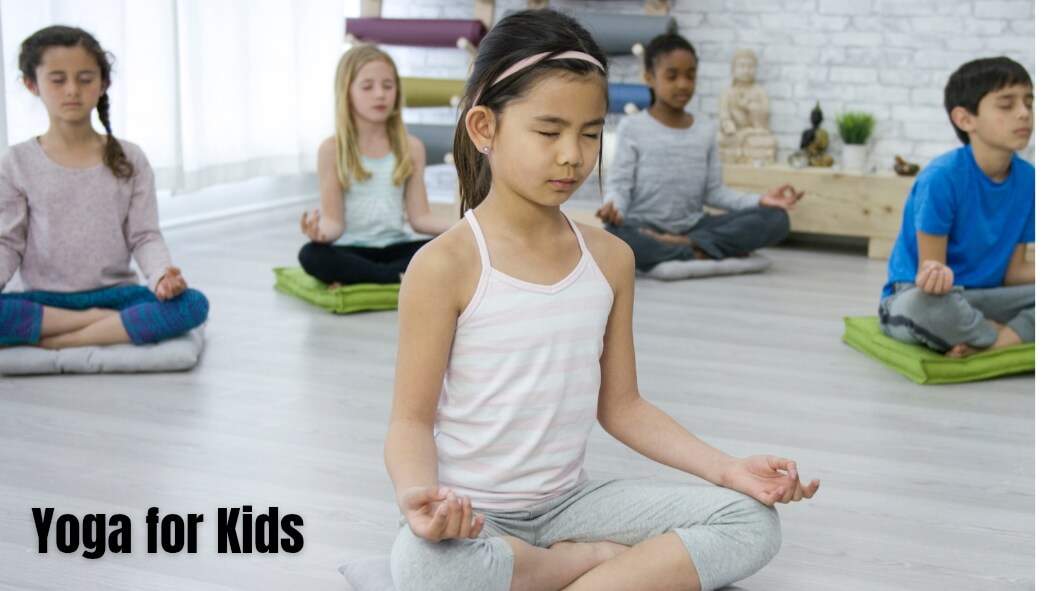
Yoga plays a powerful role for Kids in supporting healthy physical development during the early years of growth. It combines gentle movement, balance, stretching, and controlled breathing into one well-rounded practice. Unlike high-impact or competitive sports, Yoga focuses on steady progress rather than performance or comparison for Kids. This makes it suitable for children of all abilities and fitness levels. Through simple poses and mindful movement, the body becomes stronger, more flexible, and better coordinated. Muscles learn to work together, balance improves, and posture becomes more aligned. As a result, everyday movements such as walking, running, sitting, and playing feel easier and more controlled. Yoga also encourages safe movement patterns, which helps reduce physical strain during growth.
Moreover, Yoga supports both large and small muscle development while promoting body awareness for kids. Large muscle groups in the arms, legs, and core grow stronger through standing and balance poses. At the same time, smaller muscles gain control through slow and steady movements. This balanced development supports coordination, flexibility, and joint health. Breathing exercises included in yoga improve oxygen flow to muscles, helping the body perform better during physical activity. Regular practice also builds endurance and stability, allowing children to stay active for longer periods without fatigue. Over time, Yoga for Kids encourages healthy movement habits that support an active lifestyle. These benefits are long-lasting and continue to support physical well-being as children grow. By nurturing strength, balance, flexibility, and control together, Yoga for Kids creates a strong foundation for lifelong physical health.
15 Benefits of Yoga for Kid’s Physical Development
The benefits of Yoga for Kids’ physical development are numerous and long-lasting. Yoga helps kids to build muscle strength, improve flexibility, and enhance balance through gentle movements. It also supports healthy bone growth, proper posture, and strong core muscles during important developmental years. In addition, Yoga for Kids improves coordination and body awareness, making everyday movements smoother and safer. Regular practice encourages healthy breathing habits that boost endurance and physical performance. Yoga for Kids also helps reduce the risk of injuries by strengthening muscles and supporting joint health. Overall, Yoga for Kids provides a strong foundation for physical development, helping children grow stronger, healthier, and more active.
Experts agree that yoga supports healthy growth during childhood.
“Yoga provides children with a strong foundation for physical health and body awareness,” — Dr. Timothy McCall, Yoga Physician
Below are 15 simple and important benefits of yoga for child physical development.
Builds Muscle Strength
Yoga helps build muscle strength by using body weight instead of heavy equipment. This approach keeps movement safe and controlled. Muscles work against natural resistance created by each pose. As a result, strength develops gradually and evenly. Arms, legs, back, and shoulders become stronger through steady practice. Unlike high-impact exercise, yoga places less pressure on growing muscles and joints. Therefore, the risk of strain remains low. Holding poses for a short time allows muscles to engage fully. Over time, muscle endurance improves. This type of strength supports daily activities such as walking, climbing, and carrying objects. Yoga also encourages proper alignment during movement. Good alignment helps muscles work correctly. As a result, strength builds in a balanced way. This balance is important during childhood growth. Strong muscles support bones and joints. Overall physical stability improves naturally.
Experts emphasize the value of gentle strength-building during growth.
“Body-weight movement and controlled strengthening, like yoga, help children build safe, functional muscle strength that supports healthy development,” — Dr. Timothy McCall, Yoga Physician.
Slow and controlled poses play a key role in muscle development. Each movement requires focus and stability. The arms support weight in poses like Plank or Downward Dog. Legs stay active in standing poses such as Warrior or Tree. The core remains engaged throughout most poses. A strong core supports the spine and improves posture. Slow transitions between poses increase muscle control. This control reduces sudden stress on the body. Muscles learn to work together instead of acting alone. Coordination improves alongside strength. Breathing remains steady during movement. Proper breathing supports muscle performance. Over time, the body adapts to movement demands. Muscles become stronger without feeling overworked. This gentle strength-building process supports healthy physical development. It also builds confidence in movement. As a result, children develop a strong and stable physical foundation.
Improves Flexibility
Yoga improves flexibility through gentle and controlled stretching. Muscles lengthen slowly and naturally. This process feels safe and comfortable. Over time, stiffness reduces in the arms, legs, and back. Flexible muscles allow the body to move freely. Movements feel lighter and smoother. Everyday actions such as bending, reaching, and walking become easier. Yoga does not force the body into difficult positions. Instead, it respects natural movement limits. This approach supports healthy physical development during growing years.
Experts highlight the importance of flexibility in childhood.
“Flexibility developed through gentle movement helps protect muscles and joints during growth,” — Dr. Loren Fishman, Rehabilitation Medicine Specialist.
Flexible muscles also support better posture and balance. Joints move more easily when muscles are relaxed. This reduces discomfort during physical activity. As flexibility improves, the risk of muscle strain decreases. Children feel more comfortable being active. Regular yoga practice helps the body stay loose and responsive. Over time, flexibility supports confidence in movement. This makes physical activity more enjoyable and less tiring.
Enhances Balance
Yoga helps improve balance through steady and controlled standing poses. These poses teach the body how to stay stable. Children learn to focus while holding positions. Balance skills develop gradually and safely. Over time, the body becomes more aware of weight and movement. This awareness supports better control during physical activity.
Experts emphasize the role of balance in physical development.
“Balance-focused movements help children develop stability and coordination during growth,” — Dr. Karen Li, Pediatric Movement Specialist.
Better balance improves overall body control. Movements become smoother and more confident. Falls and awkward steps decrease. As stability improves, physical confidence grows. This supports active play and daily movement.
Supports Bone Growth
Yoga supports bone growth through gentle weight-bearing poses. These poses apply safe pressure on bones. This pressure encourages bones to grow strong. Healthy bone strength is especially important during childhood. Yoga supports bones without causing stress or injury.
According to health experts, early bone support is essential.
“Weight-bearing movement during childhood plays a key role in building strong bones,” — Dr. Timothy McCall, Yoga Physician.
Strong bones support posture and movement. They also reduce the risk of future weakness. Regular yoga practice encourages healthy bone development. This creates a strong foundation for long-term physical well-being.
Improves Posture
Yoga is an excellent way to improve posture in children. It teaches proper body alignment while sitting, standing, and moving. Each pose encourages the spine to stay supported, which reduces stress on muscles and joints. Over time, children become more aware of how their body feels in different positions. This awareness helps them maintain correct posture throughout the day. Simple yoga poses, such as Mountain Pose, Tree Pose, and Cat-Cow, gently strengthen the muscles that support the spine. These exercises promote natural alignment and help prevent slouching. When the body is properly aligned, children feel less tired and more comfortable during daily activities like walking, sitting in class, or playing outdoors.
Experts highlight the importance of posture during early development.
“Good posture established in childhood supports spinal health, balance, and long-term physical well-being,” — Dr. Loren Fishman, Rehabilitation Medicine Specialist.
Regular yoga practice also encourages healthy movement habits. Children gradually learn to move with balance and control. Strong posture supports confidence, allowing movement to feel stable and safe. Good posture improves overall coordination, which makes physical activity easier and more enjoyable. As posture improves, core muscles, shoulders, and the back become stronger, further supporting proper alignment. Over time, these habits become natural and effortless. By combining strength, flexibility, and body awareness, yoga builds a strong foundation for physical development. Ultimately, improving posture through yoga supports not only physical health but also confidence, balance, and long-term well-being.
Develops Gross Motor Skills
Yoga helps children develop gross motor skills through large, controlled movements. Poses such as Warrior, Downward Dog, and Bridge engage major muscle groups, including the arms, legs, and core. These movements require strength, coordination, and balance, which gradually improve with regular practice. Gross motor skills are essential for everyday activities like running, jumping, climbing, and playing sports. By practicing yoga, children learn how to move their bodies efficiently and with control. Each movement builds muscle coordination and body awareness. Over time, these skills enhance overall physical performance and support healthy growth.
Experts emphasize the importance of gross motor development in early childhood.
“Developing gross motor skills through structured movement helps children gain confidence and control over their bodies,” — Dr. Karen Li, Pediatric Movement Specialist.
Regular yoga practice not only strengthens muscles but also builds physical confidence. Children feel more capable during play, exercise, and daily tasks. Controlled movements reduce the risk of injury, as children learn to move safely and maintain balance. Yoga encourages mindful movement, which supports coordination between different body parts. As gross motor skills improve, children can explore new physical activities with ease and independence. This development lays a foundation for a healthy, active lifestyle. Ultimately, yoga nurtures both strength and confidence, allowing children to move with stability, skill, and comfort. With consistent practice, gross motor skills become natural, empowering children to enjoy physical activity safely and joyfully.
Strengthens Core Muscles
The core plays a central role in supporting the entire body. It stabilizes the spine and allows children to move safely during daily activities. Yoga gently activates core muscles through controlled poses such as Plank, Boat Pose, and Bridge. These exercises engage the abdomen, back, and pelvic muscles at the same time. Unlike heavy exercise, yoga strengthens the core gradually and safely. Strong core muscles improve overall stability, making movements like bending, twisting, and reaching easier. They also protect the spine and reduce strain on other muscles and joints. Consistent practice helps children develop better balance, coordination, and physical control in everyday activities.
Experts highlight the importance of a strong core in childhood development.
“Core strength is fundamental for children, as it supports posture, stability, and safe movement during growth,” — Dr. Loren Fishman, Rehabilitation Medicine Specialist.
A well-developed core allows children to maintain good posture naturally. It also enhances confidence in movement, as they feel more secure while playing or exercising. Core strength supports large movements such as running, jumping, and climbing, and smaller movements like writing or reaching for objects. Yoga builds these muscles gently, creating a strong foundation for overall physical development. Over time, children gain improved balance, coordination, and flexibility. By focusing on core strength, yoga ensures that children’s bodies are stable, resilient, and ready for active play. Ultimately, a strong core enhances both performance and safety, laying the groundwork for healthy physical growth and a confident, active lifestyle.
Improves Coordination
Yoga helps children improve coordination by connecting movement with body awareness. Each pose requires focus, control, and precise movement. Transitioning smoothly between poses, such as from Downward Dog to Cobra or Warrior I to Warrior II, trains the body to move in harmony. These movements engage multiple muscle groups simultaneously, teaching the body how to work as a whole. Over time, children learn to control their arms, legs, and core together, which strengthens overall coordination. Improved coordination not only supports physical skills but also enhances confidence in movement, making daily activities easier and safer.
Experts emphasize the role of coordination in child development.
“Coordination is a key foundation for all physical activity. Yoga helps children learn how to move with awareness and control,” — Dr. Karen Li, Pediatric Movement Specialist.
Regular yoga practice allows movements to become smoother and more natural. Children gain better timing and spatial awareness, which is essential for sports, dance, and play. Fine-tuned coordination reduces clumsiness and helps the body respond quickly to changes in movement or balance. As coordination improves, children feel more confident in trying new physical activities. This skill also supports cognitive development, as the brain and body learn to work together efficiently. Ultimately, yoga builds both mental focus and physical coordination, allowing children to move gracefully, safely, and confidently. With continued practice, coordination becomes second nature, supporting an active, healthy, and balanced lifestyle.
Encourages Healthy Breathing
Yoga teaches children the importance of deep and controlled breathing. During poses and transitions, inhaling and exhaling slowly helps oxygen flow efficiently to muscles. This improved oxygen supply allows muscles to work better and recover faster. Breathing in a calm and steady rhythm also helps children coordinate movement with effort. For example, exhaling while bending forward or inhaling while stretching upward trains the body to move mindfully. Over time, these breathing habits strengthen the connection between the mind and body, which supports overall physical performance and endurance.
Experts highlight the impact of breathing practices on child development.
“Breathing practices in yoga help children connect movement with control,” — Dr. Sat Bir Singh Khalsa, Harvard Medical School.
Proper breathing also promotes calmness and focus. Children learn to regulate their energy, which helps them stay attentive during activities. Controlled breathing reduces stress and fatigue, making physical activity more enjoyable. It supports both mental and physical well-being, as children feel energized yet relaxed. Incorporating deep breathing into yoga strengthens the lungs, improves stamina, and enhances body awareness. Over time, children naturally adopt healthier breathing patterns in daily life. This practice not only improves movement and coordination but also builds resilience and focus. Ultimately, healthy breathing through yoga provides children with the tools to stay active, balanced, and confident in both play and everyday routines.
Reduces Risk of Injury
Yoga helps children reduce the risk of injury by strengthening muscles and joints safely. Flexible muscles can absorb impact more effectively during movement, which protects the body from sudden strains. Slow and controlled yoga poses stretch muscles and improve joint mobility. Over time, children develop stronger stabilizing muscles that support bones and joints during everyday activity. These muscles act like natural shock absorbers, reducing stress on the body while running, jumping, or climbing. Yoga also teaches children how to move with awareness, which further lowers the chance of accidental injuries.
Experts emphasize the importance of injury prevention through physical activity.
“Safe, controlled movements like those in yoga help children build strength and flexibility, which protects against common childhood injuries,” — Dr. Loren Fishman, Rehabilitation Medicine Specialist.
Regular yoga practice encourages safe and mindful movement habits. Children learn how to engage muscles properly, balance their weight, and transition between positions carefully. Strong joints and flexible muscles reduce the likelihood of sprains, strains, or falls during sports or play. In addition, yoga helps improve posture and alignment, which further decreases the risk of overuse injuries. By building a solid foundation of strength, flexibility, and balance, children move more confidently and safely. Ultimately, practicing yoga equips children with the physical tools to enjoy activity without unnecessary strain, supporting long-term health, resilience, and active lifestyles.
Increases Body Awareness
Yoga helps children develop body awareness by teaching them how their muscles and joints move. Each pose requires attention to how the body feels, which helps children recognize posture, alignment, and balance. Over time, children learn to sense how different parts of the body work together during movement. This awareness strengthens coordination and control, allowing children to move more efficiently and safely during play, exercise, and daily activities.
Experts highlight the importance of body awareness for physical development.
“Developing body awareness in childhood through mindful movement like yoga lays the foundation for coordination, balance, and motor skill growth,” — Dr. Karen Li, Pediatric Movement Specialist.
Increased body awareness also boosts physical confidence. Children feel more capable when trying new movements or participating in sports and active play. They learn how to adjust their bodies to prevent imbalance or strain. Mindful practice in yoga encourages children to listen to their bodies, helping them identify limits and strengths. This understanding reduces the risk of injury and improves overall movement quality. Over time, children naturally move with more grace, stability, and confidence. By combining strength, flexibility, and awareness, yoga supports healthy physical development while creating a strong mind-body connection that lasts throughout childhood and beyond.
Supports Joint Health
Yoga helps children maintain healthy joints through slow, controlled movements. Unlike high-impact exercise, yoga avoids sudden strain, which protects growing joints from injury. Gentle stretching and weight-bearing poses improve joint flexibility and strength over time. By moving joints through their natural range of motion, children develop stability and resilience. This reduces stiffness and supports smoother movement during daily activities, play, and sports.
Experts emphasize the importance of joint health in childhood.
“Controlled, low-impact exercises like yoga help children strengthen muscles around the joints, supporting long-term mobility and reducing the risk of injuries,” — Dr. Loren Fishman, Rehabilitation Medicine Specialist.
Healthy joints also allow children to participate confidently in physical activity. When joints are strong and flexible, children can climb, run, jump, and explore without discomfort. Regular yoga practice encourages proper alignment, which further protects joints from unnecessary strain. Over time, children develop habits that support joint health throughout life. Strong, flexible joints improve balance, coordination, and overall body control. Ultimately, yoga not only protects joints today but also lays the foundation for long-term mobility and a healthy, active lifestyle.
Boosts Physical Endurance
Yoga helps children build physical endurance by encouraging regular, controlled movement. Poses that require holding positions, such as Plank, Warrior, or Boat Pose, gradually strengthen muscles and improve stamina. Even gentle sequences, when repeated consistently, challenge the body to sustain effort over time. This gradual conditioning increases energy levels, allowing children to stay active longer without feeling tired. Yoga also trains the body to use oxygen efficiently, which supports sustained physical performance during play, sports, or daily activities.
Experts emphasize the importance of endurance in child development.
“Building stamina through mindful movement like yoga supports both physical health and confidence in children,” — Dr. Sat Bir Singh Khalsa, Harvard Medical School.
Improved endurance helps children participate fully in physical activities, from playground games to sports and exercise routines. As stamina grows, children can engage in longer periods of activity without fatigue or strain. Yoga also teaches controlled breathing and focus, which further supports energy management. Over time, children develop both mental and physical resilience. This allows them to enjoy active play safely and confidently. By improving endurance through yoga, children build a foundation for lifelong fitness, supporting healthy growth, strong muscles, and overall well-being. Regular practice ensures that energy levels remain consistent, enabling children to explore new activities and enjoy movement without getting easily tired.
Encourages Healthy Movement Habits
Yoga helps children develop healthy movement habits by making physical activity enjoyable and consistent. Unlike structured sports or high-pressure exercise, yoga focuses on gentle, mindful movement. Children learn to engage their muscles, stretch, and balance in ways that feel safe and fun. Over time, this encourages regular activity without it feeling like a chore. By practicing yoga daily or a few times a week, children naturally incorporate movement into their routines, creating habits that support long-term physical development.
Experts highlight the role of early habits in healthy growth.
“Encouraging enjoyable physical activity in childhood lays the foundation for a lifetime of healthy movement and fitness,” — Dr. Loren Fishman, Rehabilitation Medicine Specialist.
Regular yoga practice also teaches children to listen to their bodies. They learn when to move, rest, and stretch, which develops awareness and control. These habits support an active lifestyle beyond yoga, improving participation in play, sports, and everyday activities. By introducing movement as a positive experience early on, children are more likely to continue being active as they grow. Yoga also strengthens the body while promoting flexibility, balance, and coordination, making other forms of physical activity safer and more accessible. Ultimately, practicing yoga cultivates a love for movement, instills discipline, and encourages children to maintain an active, healthy lifestyle throughout childhood and beyond.
Supports Overall Physical Well-Being
Yoga supports overall physical well-being by combining strength, flexibility, balance, and controlled movement. Unlike activities that focus on one skill, yoga nurtures the whole body at once. Each pose strengthens muscles, stretches joints, and improves coordination. Children develop better posture, balance, and movement control through consistent practice. This holistic approach ensures that physical development remains well-rounded, addressing multiple areas of growth simultaneously. By engaging both large and small muscles, yoga also supports bone health, core stability, and joint mobility.
Experts emphasize yoga’s role in comprehensive child development.
“Yoga supports the whole child by improving physical strength and movement patterns,” — Dr. Loren Fishman, Rehabilitation Medicine Specialist.
Regular yoga practice encourages children to enjoy movement while improving overall fitness. It builds resilience, endurance, and confidence in physical abilities. Healthy movement habits formed through yoga extend beyond the mat, supporting daily activities, play, and sports. Children become more aware of their bodies, move with control, and develop a strong foundation for lifelong health. Over time, yoga promotes a balanced lifestyle where physical activity is safe, enjoyable, and effective. By supporting multiple aspects of growth simultaneously, yoga ensures that children develop both strength and flexibility while enhancing coordination and body awareness. Ultimately, this holistic practice fosters long-term well-being, making children stronger, healthier, and more confident in their physical abilities.
Benefits of Yoga for kids Physical Development : In a Chart
| No. | Benefit | Simple Description |
|---|---|---|
| 1 | Builds Muscle Strength | Yoga uses body weight to strengthen muscles gently. Strength develops without pressure or strain. |
| 2 | Improves Flexibility | Gentle stretches keep muscles relaxed and flexible. Movement becomes smoother and easier. |
| 3 | Enhances Balance | Standing poses improve balance and stability. Body control increases over time. |
| 4 | Supports Bone Growth | Weight-bearing poses help strengthen bones. Healthy bone development is encouraged. |
| 5 | Improves Posture | Yoga teaches correct body alignment. Sitting and standing become healthier. |
| 6 | Develops Gross Motor Skills | Large movements strengthen arms and legs. Overall physical control improves. |
| 7 | Strengthens Core Muscles | Core muscles support the spine and body stability. Balance improves naturally. |
| 8 | Improves Coordination | Smooth transitions between poses enhance coordination. Movements become more controlled. |
| 9 | Encourages Healthy Breathing | Deep breathing improves oxygen flow. Muscles work more efficiently. |
| 10 | Reduces Risk of Injury | Flexible muscles and strong joints protect the body. Injuries during play decrease. |
| 11 | Increases Body Awareness | Yoga teaches how the body moves and feels. Physical confidence improves. |
| 12 | Supports Joint Health | Slow movements protect joints. Flexibility keeps joints active and safe. |
| 13 | Boosts Physical Endurance | Regular practice builds stamina. Children stay active for longer periods. |
| 14 | Encourages Healthy Movement Habits | Yoga promotes daily physical activity. Movement becomes enjoyable and routine. |
| 15 | Supports Overall Physical Well-Being | Yoga balances strength, flexibility, and movement. Physical development remains steady. |
The benefits of yoga are wide and well-balanced for kids physical development. Yoga builds strength, improves flexibility, and enhances coordination. Moreover, it supports posture, bone health, and motor skills. When introduced early, yoga creates a strong foundation for lifelong physical well-being for kids.Therefore, including yoga in daily routines can support healthy growth in a gentle and effective way.
Yoga builds muscle strength by using body weight instead of heavy equipment. Controlled poses engage muscles safely and evenly. As a result, strength develops gradually without placing stress on growing joints.
Yoga is considered safe when poses are age-appropriate and properly guided. Movements remain gentle and controlled. Therefore, the risk of injury stays low while supporting healthy growth and coordination.
Regular practice, even two to three times a week, supports physical development. Consistent movement improves strength, flexibility, and endurance over time. Short sessions work well for maintaining interest and balance.

1 Comment
Премиум xxx платформы предлагают
высококачественный контент для взрослых
развлечений. Выбирайте надежные хабы для безопасного и приятного просмотра.
Here is my blog post: лесбийские порно видео