

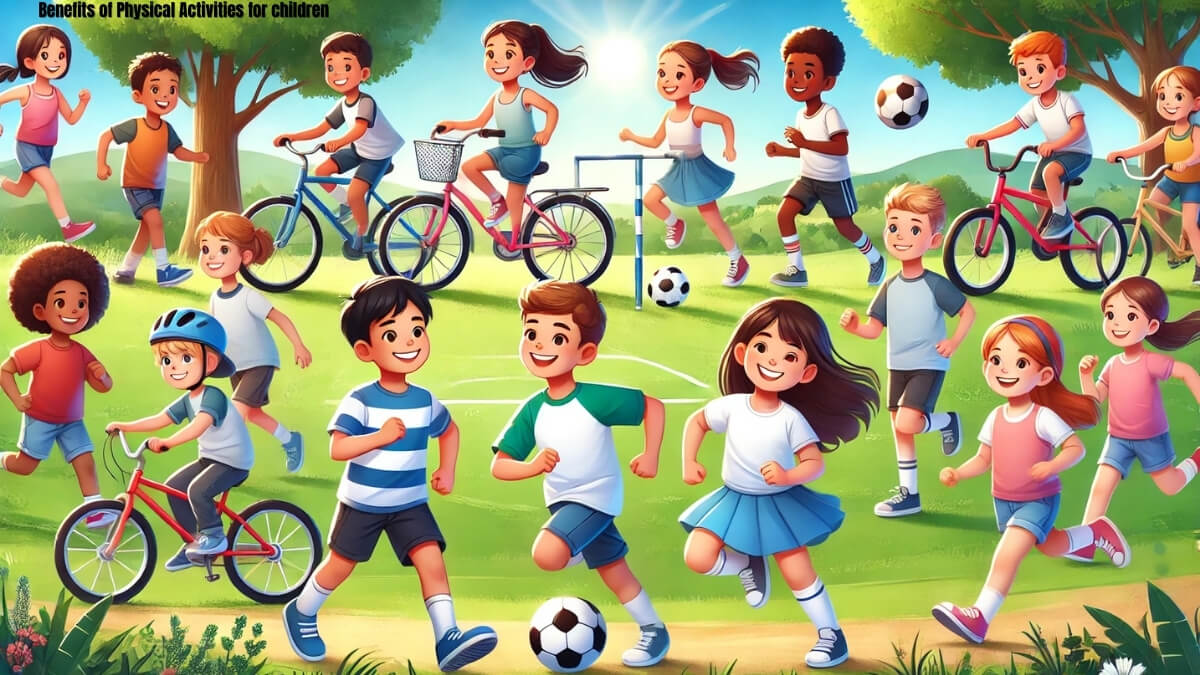
The benefits of physical activities for children extend far beyond the playground. Engaging in regular physical activity not only enhances physical health but also lays the groundwork for a brighter future. Active children are less likely to develop chronic illnesses like obesity or diabetes and are more likely to build stronger bones and muscles. Additionally, physical activities play a crucial role in improving mental well-being, boosting self-confidence, and fostering essential social skills. Dr. James Sallis, a leading expert in public health, emphasizes, “Physical activity in childhood creates a foundation for lifelong health and happiness.” By incorporating fun and engaging activities into daily routines, children can develop a love for movement while learning discipline and teamwork. From improved academic performance to better sleep patterns, the positive impacts are vast. Encouraging children to stay active today ensures they are prepared for a healthier, stronger tomorrow.
This guide explores the key benefits of physical activities for children, offering insights for parents, educators, and policymakers alike.
What is physical activity?

Physical activity, defined by the World Health Organization (WHO), is “any bodily movement produced by skeletal muscles that requires energy expenditure.” It encompasses various movements, including structured exercises, unstructured play, and daily tasks like walking or climbing stairs. Engaging in regular physical activity significantly improves overall health and well-being. According to Dr. John Ratey, a clinical professor of psychiatry at Harvard Medical School, “Exercise is the single best thing you can do for your brain in terms of mood, memory, and learning.” Moreover, physical activity fosters better cardiovascular health, reduces stress, and enhances cognitive functions, all of which are essential for growing children. As children play, their motor skills improve, and they learn crucial social behaviors like teamwork and communication. Therefore, integrating movement into a child’s daily routine not only promotes a healthy body but also nurtures a well-rounded personality, preparing them for a balanced and fulfilling life.
Benefits of Physical Activities for Children
The benefits of physical activities for children are immense. Regular exercise improves physical health, boosts mental well-being, and enhances cognitive skills. It fosters social connections, builds confidence, and supports healthy growth. By promoting active habits, children develop stronger bodies and minds, preparing them for a healthier and happier future.
Improves Physical Health

Physical activity plays a critical role in improving a child’s overall physical health. Regular movement strengthens bones, muscles, and joints, helping children build a resilient and strong body structure. Dr. Blaise Nemeth, a pediatric orthopedist, highlights that “weight-bearing exercises, like running or jumping, are crucial for healthy bone development.” Moreover, it reduces the risk of childhood obesity, which is linked to several long-term health conditions, including diabetes and heart disease. Active play also enhances flexibility and endurance, making daily tasks easier for children. Additionally, activities like climbing or skipping promote a child’s balance and coordination. Consistent physical activity not only combats chronic diseases but also lays the foundation for a healthier future. As children grow, these habits ensure that their bodies remain capable and robust, enabling them to lead active lives. Therefore, prioritizing physical health through exercise is essential for every child’s well-being.
Boosts Cardiovascular Fitness
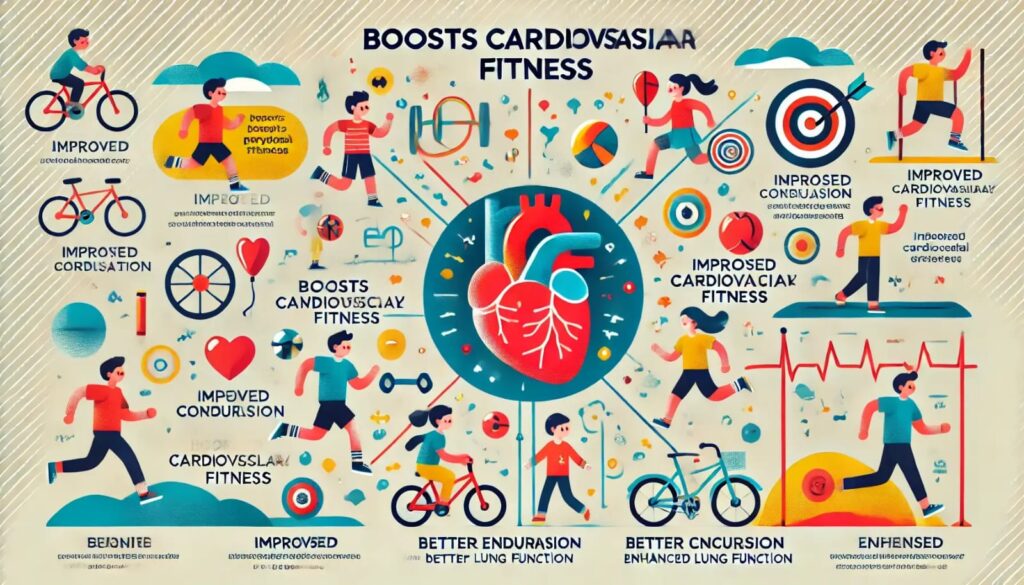
Engaging in regular physical activity improves cardiovascular fitness, which is vital for children’s long-term health. Activities like running, swimming, and cycling strengthen the heart muscle, allowing it to pump blood more efficiently. According to the American Heart Association, “children who participate in at least an hour of physical activity daily have better cardiovascular health.” Improved circulation ensures oxygen reaches all parts of the body, which enhances energy levels. It also helps regulate cholesterol levels, reducing the risk of heart-related issues later in life. Simple activities, such as brisk walking or playing tag, make significant differences in heart health. Furthermore, cardiovascular fitness achieved during childhood forms a strong foundation for adult health. Transitioning to an active lifestyle early ensures children grow with a stronger heart and healthier arteries. Encouraging consistent movement is key to maintaining and improving cardiovascular wellness.
Supports Healthy Growth
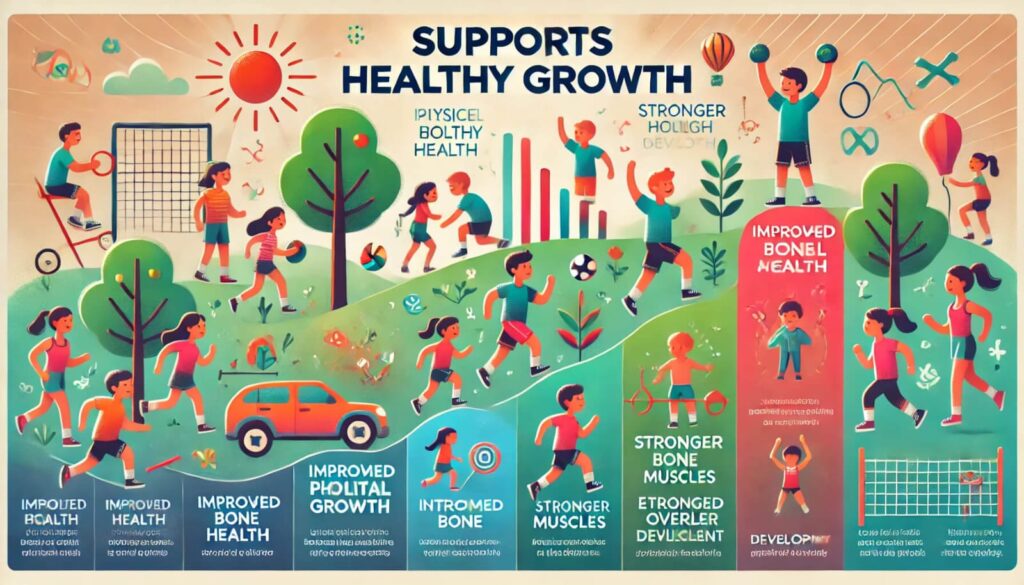
Physical activity significantly supports the healthy growth of children during their developmental years. Activities like jumping, stretching, or playing outdoors stimulate bone density and muscular strength. Dr. Shari Bassuk, a child health expert, explains, “Physical activity during growth spurts is vital for building a strong skeletal system.” Engaging in movement also promotes the development of vital organs, such as the lungs and heart, ensuring children grow at an optimal rate. Additionally, it helps maintain a healthy weight, which reduces strain on the growing body. Playtime also allows children to explore their physical capabilities, encouraging body awareness. Transitioning through growth stages with regular activity ensures a balanced and strong physique. As children grow, these early habits prepare them for a lifetime of physical resilience and agility. Thus, physical activity is a cornerstone of healthy development during childhood.
Enhances Mental Well-Being
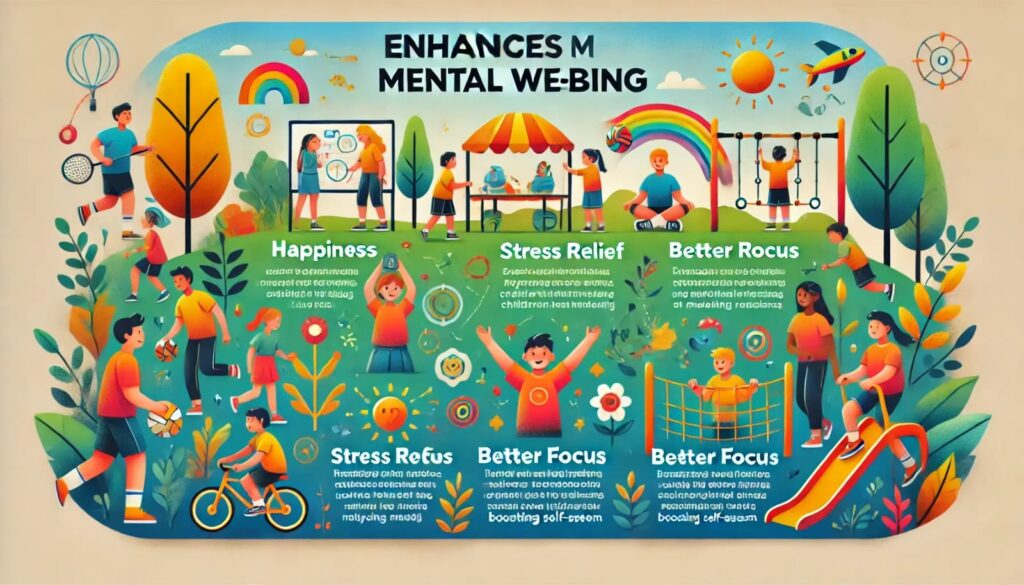
Regular physical activity is an excellent way to enhance children’s mental well-being. Exercise releases endorphins, the body’s natural mood lifters, reducing anxiety and stress. Dr. John Ratey of Harvard Medical School states, “Exercise is medicine for the brain, boosting mood and reducing the effects of depression.” Moreover, physical activity fosters a sense of calm and focus, helping children manage emotions better. Outdoor play, such as running or biking, connects children with nature, further elevating their mental state. Engaging in team sports helps children build resilience and develop coping mechanisms. These mental health benefits not only improve day-to-day happiness but also support long-term emotional stability. Transitioning to an active lifestyle helps children process feelings, navigate challenges, and maintain positive energy levels. Therefore, prioritizing regular movement is essential for nurturing a child’s emotional and mental health.
Improves Cognitive Function
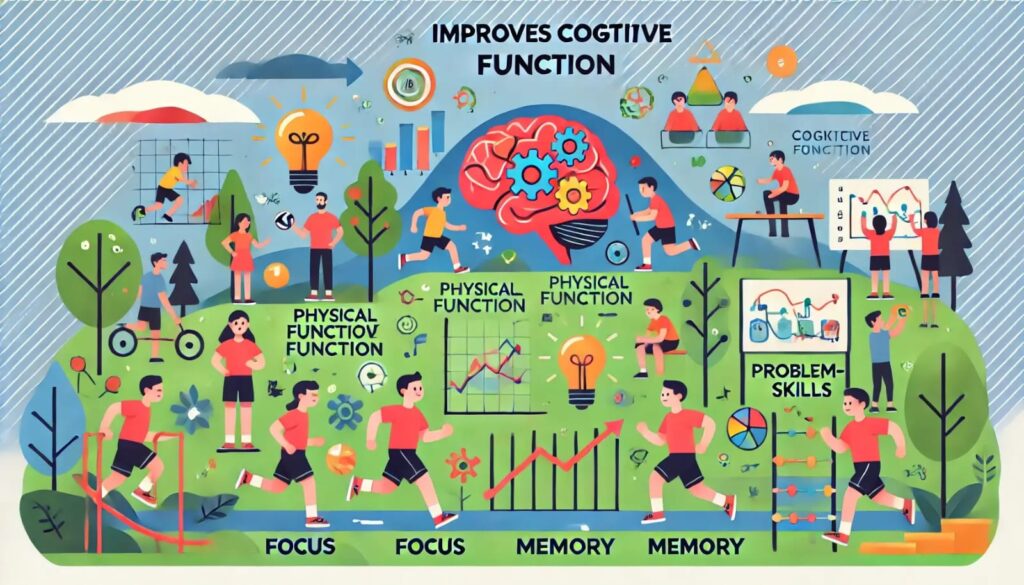
Physical activity enhances cognitive functions, making children sharper and more focused. Movement increases blood flow to the brain, which improves memory, attention, and problem-solving skills. Dr. Charles Hillman, a researcher in neuroscience, notes, “Exercise primes the brain for learning by improving neural connections.” Activities like dance or martial arts stimulate both sides of the brain, encouraging creativity and strategic thinking. Additionally, active children often perform better academically, as their ability to concentrate is heightened. Sports and games also teach children to think quickly and adapt to changing situations. Transitioning to an active routine benefits both the classroom and beyond. Regular exercise sets the stage for improved brain performance, helping children excel in their studies and extracurricular activities. Encouraging cognitive development through physical activity is a win for both mind and body.
Encourages Social Skills
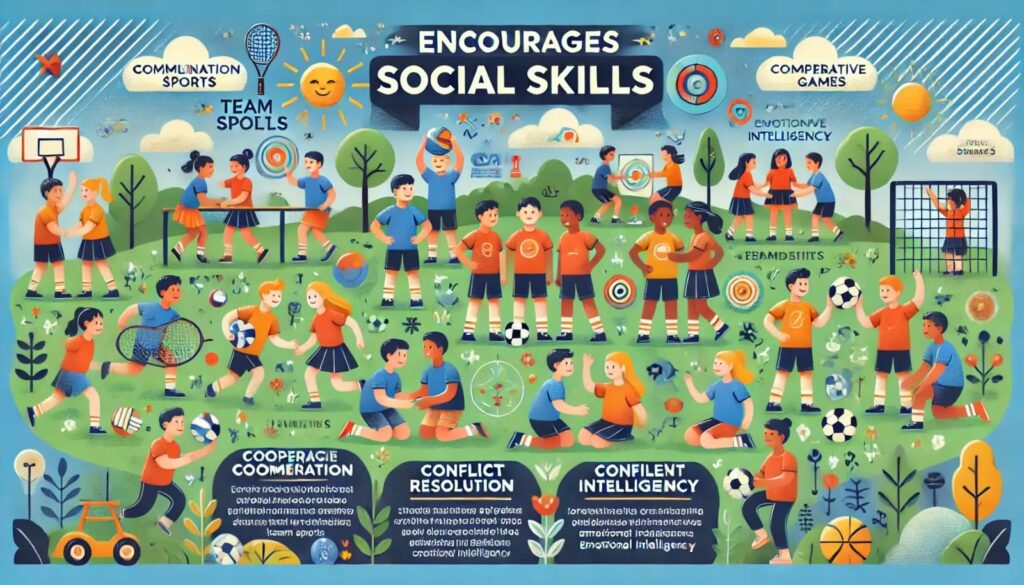
Physical activities are a great platform for children to develop social skills. Team sports, group games, and even playground interactions teach kids how to cooperate and communicate effectively. Dr. Amanda Visek, a professor of exercise psychology, explains, “Children learn critical social behaviors, like empathy and teamwork, through shared physical activities.” Participating in sports also encourages leadership and the ability to resolve conflicts amicably. Furthermore, playing with peers helps build friendships and strengthens emotional bonds. Transitioning to group activities allows children to practice patience and learn the value of shared goals. These interactions foster a sense of belonging, which boosts confidence. As they grow, the social skills developed during play contribute to better relationships and professional collaboration. Encouraging physical activities not only improves health but also shapes children into socially adept individuals.
Boosts Self-Confidence
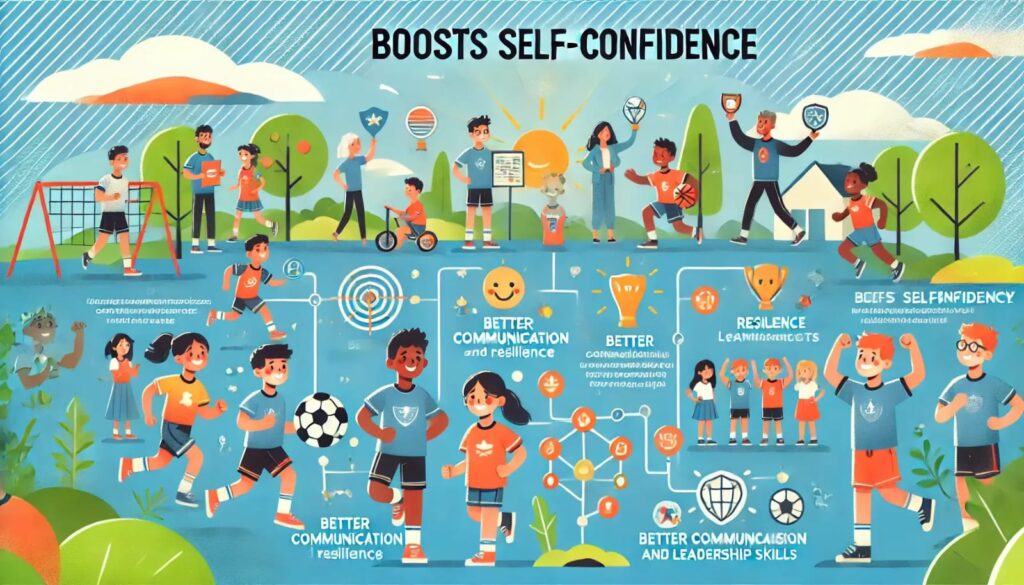
Physical activity is a powerful tool for building self-confidence in children. Achieving milestones, such as learning to ride a bike or mastering a dance move, gives children a sense of accomplishment. According to Dr. Jim Taylor, a sports psychologist, “Success in physical activities translates into self-esteem that extends to other areas of life.” Children also develop a positive body image through regular exercise, feeling stronger and more capable. Furthermore, trying new activities helps children overcome fears and embrace challenges. Transitioning to an active routine encourages children to celebrate small victories, which boosts self-belief. Over time, these achievements foster resilience and determination. By engaging in regular physical activities, children grow more confident in their abilities, setting the stage for success in all areas of life.
Develops Motor Skills
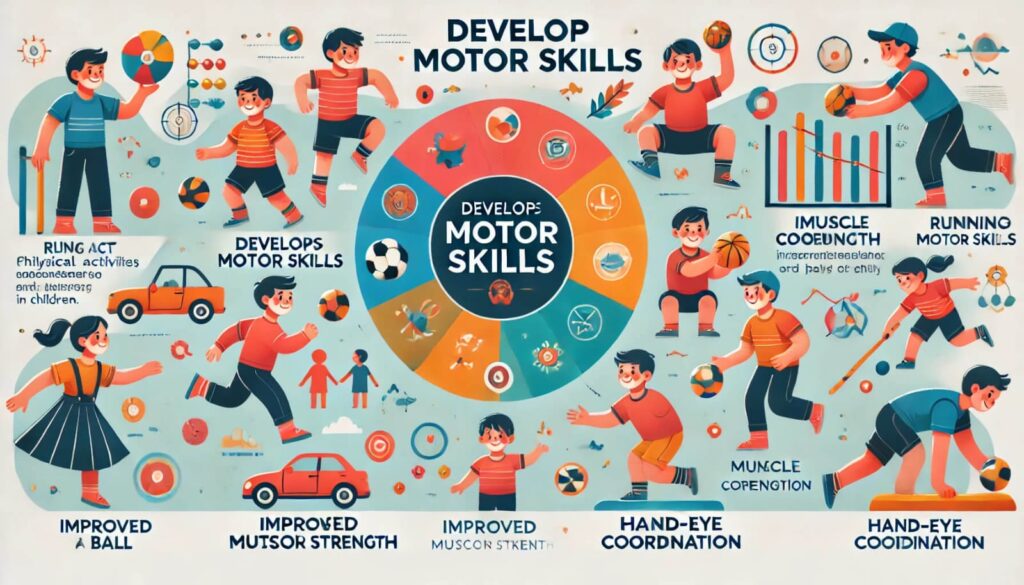
Physical activities are essential for developing motor skills in children. Movements like running, throwing, and balancing refine coordination and agility. Dr. Lisa Witherspoon, an expert in physical education, states, “Gross and fine motor skill development occurs most effectively through active play.” Regular activity enhances a child’s ability to navigate their environment safely and efficiently. Simple games like hopscotch or tag improve reflexes and spatial awareness. Moreover, fine motor skills, such as hand-eye coordination, are strengthened through activities like drawing or catching a ball. Transitioning to varied physical tasks ensures children develop well-rounded motor capabilities. These skills are vital for daily tasks, academic performance, and sports participation. Encouraging consistent physical activity supports children in mastering the physical skills they’ll use throughout their lives.
Promotes Better Sleep
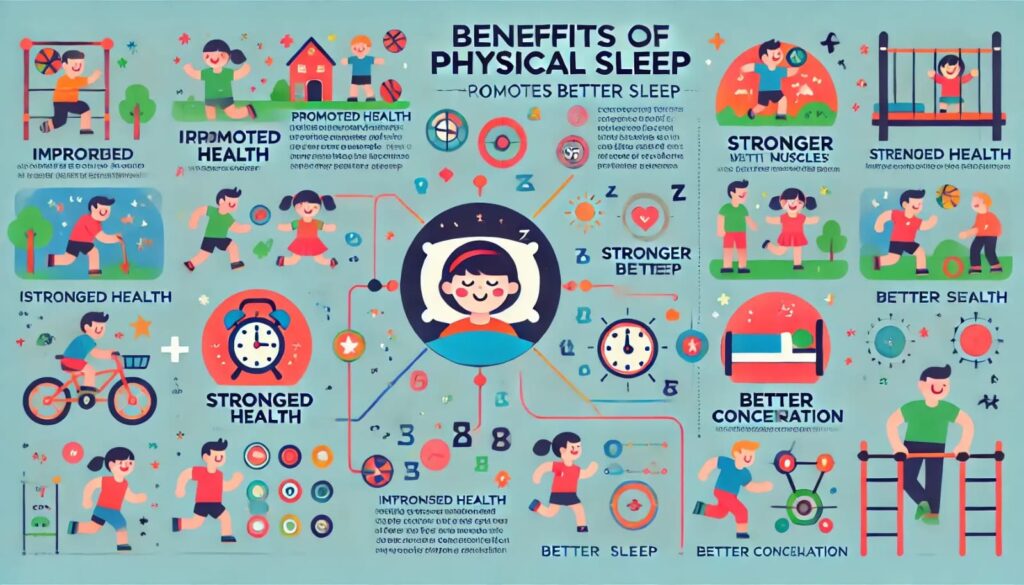
Active children tend to enjoy better sleep quality, which is crucial for their overall health. Exercise helps regulate sleep patterns, allowing kids to fall asleep faster and enjoy deeper rest. Dr. Charlene Gamaldo from Johns Hopkins Sleep Center explains, “Physical activity promotes the production of sleep-enhancing chemicals in the brain.” Additionally, outdoor play helps reset the body’s internal clock due to exposure to natural light. Better sleep supports mental alertness, mood stabilization, and physical recovery. Transitioning from active play to rest creates a natural rhythm for children, ensuring their energy levels are balanced. Encouraging regular physical activity is an effective way to improve both the quantity and quality of sleep in children.
Instills Healthy Habits
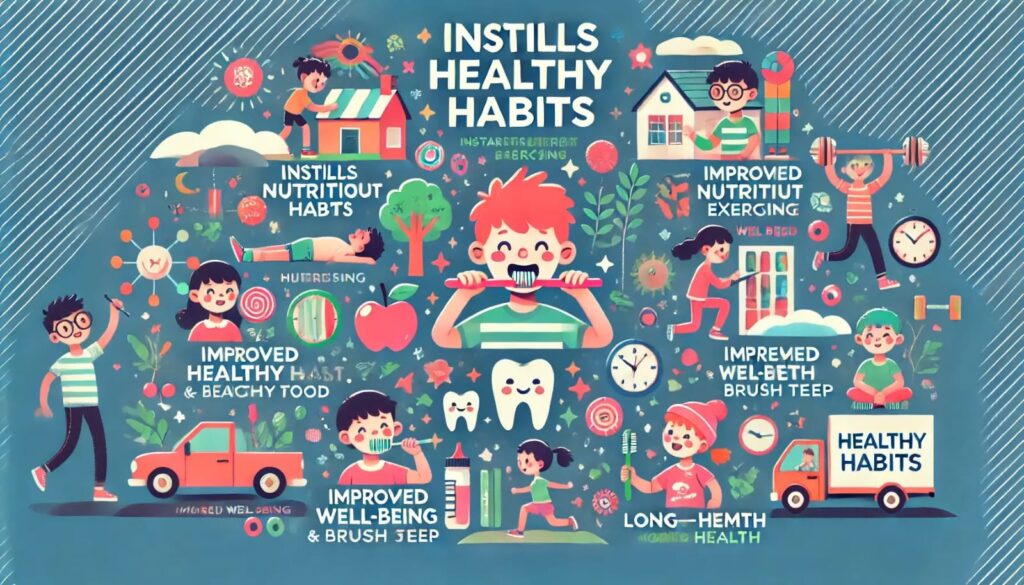
Engaging in physical activities from an early age helps instill lifelong healthy habits. Children who grow up staying active are more likely to maintain this behavior into adulthood. Dr. Edward Phillips, a lifestyle medicine specialist, notes, “Building habits early sets the stage for long-term health and wellness.” Regular exercise teaches children the importance of self-care and discipline. These habits extend to other areas, such as eating nutritious meals and staying hydrated. Transitioning to an active routine builds consistency and routine in a child’s life. As they grow, these habits reduce the risk of chronic diseases and improve overall quality of life. Promoting physical activity is a cornerstone of nurturing healthier future generations.
How to Encourage Physical Activity
While the benefits of physical activities for children are clear, fostering consistent habits demands effort and dedication. Regular physical activity enhances physical health, mental well-being, and social skills, making it essential for growth. By creating engaging routines and leading by example, children can develop lifelong healthy habits with lasting positive impacts. Here are practical tips for encouraging kids to stay active:
Lead by Example
Children often mimic the behaviors they observe in adults, making parental involvement essential in promoting physical activity. By engaging in regular exercise or outdoor play, parents set a positive example. Dr. David Katz, a preventive medicine expert, explains, “Children’s habits are shaped by the environment, and active role models inspire active kids.” Whether it’s a morning jog, yoga, or a backyard game, demonstrating enthusiasm for movement encourages children to join in. Additionally, family activities like hiking or bike rides create opportunities for bonding while staying active. Transitioning these activities into routine family habits ensures children see physical activity as a natural part of life. When caregivers prioritize health, children are more likely to adopt similar practices, building a lifelong appreciation for movement. Therefore, leading by example is a simple yet effective way to inspire regular physical activity in children.
Make It Fun
The key to encouraging kids to stay active is making the experience enjoyable. Engaging activities capture their interest and prevent boredom. Dr. Amanda Visek, a sports psychologist, highlights, “Children are more likely to stick with activities that feel like play rather than work.” Rotate between different sports, games, or creative pursuits, like obstacle courses or dance-offs. Incorporating elements of fun, such as colorful equipment or music, adds excitement. Social activities, such as group games or sports, make exercise more engaging by including friends. Transitioning from structured activities to free play allows kids to explore their interests and creativity. By focusing on fun, children are more motivated to participate, making physical activity a cherished part of their day. Prioritizing enjoyment helps establish a positive association with the movement, ensuring consistency and enthusiasm for staying active.
Incorporate Activity Into Daily Routines
Incorporating physical activity into everyday routines makes it easier for children to stay active. Simple changes, such as walking or cycling to school, ensure movement becomes a natural part of their day. According to Dr. Brian Wansink, a behavioral scientist, “Small adjustments in daily habits can lead to long-lasting health benefits.” Encourage outdoor play after meals to burn off energy and create a refreshing break. Weekend family hikes or park visits combine bonding time with exercise. Transitioning physical activity into household chores, like gardening or cleaning, keeps kids active while teaching responsibility. Additionally, making these routines consistent ensures children develop healthy habits without feeling pressured. Routine activities not only promote physical health but also build discipline and structure in a child’s life. By weaving activity seamlessly into daily schedules, children are more likely to embrace an active lifestyle.
Limit Screen Time
Reducing screen time is crucial to ensure children have enough opportunities for physical activity. Excessive use of digital devices often leads to sedentary behavior, hindering overall development. Dr. Michael Rich, a pediatrician and media expert, advises, “Screen time should be balanced with active play to support physical and mental well-being.” Set specific limits for television, video games, and smartphones to encourage outdoor play or sports. Replace screen-based leisure with family walks, backyard games, or creative indoor activities like scavenger hunts. Transitioning from screens to movement can be supported by creating a daily schedule that prioritizes active time. Consistently enforcing boundaries ensures children have ample opportunities to explore and engage in physical activities. By striking a balance between technology and play, caregivers promote healthier habits that enhance children’s overall development and happiness.
Provide Age-Appropriate Opportunities
Offering age-appropriate activities ensures that children remain engaged and enjoy physical movement. Younger children thrive on simple games like tag, hopscotch, or playground time, which build foundational motor skills. Dr. Margaret Sheridan, a child development researcher, notes, “Tailoring activities to a child’s developmental stage fosters confidence and sustained interest.” Older children may prefer organized sports, dance classes, or team-based activities like soccer or basketball. Transitioning from one activity to another based on interests keeps things fresh and exciting. Additionally, listening to a child’s preferences and involving them in the decision-making process empowers them. Providing a variety of opportunities ensures that all children, regardless of age or ability, find something they enjoy. Age-appropriate options make physical activity accessible and rewarding, laying the groundwork for lifelong fitness.
How to Encourage Physical Activity in Children: In a chart
Here’s a detailed chart on how to encourage physical activity in children:
| Strategy | Details |
|---|---|
| Lead by Example | Be a role model by staying active. Join children in walks, outdoor games, or sports to make exercise a natural part of daily life. |
| Make It Fun | Turn physical activity into an enjoyable experience. Play games like tag, dance to music, or set up obstacle courses to keep kids engaged. |
| Incorporate Activity Into Daily Routines | Encourage movement throughout the day. Walk or bike instead of driving, take the stairs, or involve children in active household chores. |
| Limit Screen Time | Reduce sedentary behavior by setting screen time limits. Encourage outdoor play, family activities, or interactive exercises instead. |
| Provide Age-Appropriate Opportunities | Offer activities suited to a child’s age and abilities. Younger kids may enjoy running and climbing, while older children can try team sports, biking, or swimming. |
Common Barriers and How to Overcome Them
Encouraging regular activity can sometimes be challenging, but the benefits of physical activities for children make the effort worthwhile. Common barriers like lack of time, resources, or interest can hinder participation. Overcoming these challenges through creative solutions ensures children enjoy improved physical health, mental well-being, and lifelong healthy habits. Address these common barriers effectively:
Lack of Time
Busy schedules are a significant barrier to physical activity. Parents and children often juggle school, work, and other commitments, leaving little time for exercise. Dr. Wendy Troxel, a behavioral scientist, states, “Even small doses of physical activity can yield substantial health benefits.” Incorporating short, high-intensity exercises into daily routines is a practical solution. Activities like jumping jacks, skipping, or brisk walking require minimal time and provide maximum benefits. Transitioning from sedentary moments, such as screen time, to quick physical breaks ensures movement throughout the day. Family routines, such as evening strolls or weekend playtime, can also fit seamlessly into packed schedules. Prioritizing movement by setting reminders or using physical activity as a bonding opportunity helps overcome time constraints. By maximizing small windows of opportunity, families can ensure that regular physical activity becomes a feasible and enjoyable part of their day.
Limited Resources
Access to sports facilities or expensive equipment isn’t always an option for every family. This limitation, however, doesn’t mean children can’t engage in physical activities. Dr. Kristine Madsen, a public health expert, explains, “Simple, resourceful approaches can make physical activity accessible to all.” Community centers, parks, and school playgrounds often provide free or low-cost options for active play. Transitioning to home-based exercises like yoga, dancing, or obstacle courses encourages movement without extra expenses. Everyday household items can be repurposed—cushions for balancing games or water bottles as dumbbells. Additionally, engaging in outdoor activities like walking, running, or nature hikes requires no special tools but offers tremendous benefits. Emphasizing creativity and resourcefulness ensures that physical activity is within reach for everyone, regardless of financial constraints.
Lack of Interest
Children often resist physical activity if they find it boring or repetitive. Catering to their interests and preferences is crucial in overcoming this barrier. Dr. Amanda Visek, a sports psychologist, states, “The key to sustaining physical activity is making it enjoyable and engaging.” Offering a diverse range of activities, from team sports to dance or martial arts, allows children to explore what resonates with them. Transitioning from structured activities to unstructured play, like scavenger hunts or imaginative games, can also spark interest. Inviting children to choose or design activities fosters a sense of ownership and excitement. Encouraging social participation, like playing with friends or joining group classes, adds an enjoyable dynamic. By focusing on variety and personalization, caregivers can transform resistance into enthusiasm, ensuring that children look forward to being active.
Common Barriers and How to Overcome Them: In a chart
Below is a detailed chart outlining common barriers to physical activity and strategies to overcome them, emphasizing the Benefits of Physical Activities for children:
| Barrier | Description | Solutions/Strategies | Examples/Notes |
|---|---|---|---|
| Lack of Time | Busy schedules often leave little room for regular physical activity. | Incorporate short bursts of high-energy exercises into daily routines; schedule dedicated family activity time. | 15-minute morning stretches, quick outdoor play during breaks. |
| Limited Resources | Not all families have access to sports facilities or equipment, limiting opportunities for physical activity. | Utilize free or low-cost options such as community parks, home-based workouts, or online exercise programs. | Neighborhood parks, local community centers, creative home-based games. |
| Lack of Interest | Children may find some physical activities monotonous or unengaging, leading to reduced participation. | Make activities fun and varied by incorporating games, challenges, and social interactions; involve children in choosing activities they enjoy. | Dance-offs, team sports, obstacle courses, interactive fitness games. |
This chart provides useful information on overcoming common barriers to ensure children enjoy the benefits of physical activities.
Long-Term Impact of Physical Activities
The benefits of physical activities for children extend well into adulthood, laying the foundation for a healthier and more fulfilling life. Active children are less likely to face chronic conditions such as obesity, diabetes, and heart disease. Dr. James Sallis, a renowned researcher, states, “Early habits of physical activity create a ripple effect that supports lifelong health.” Regular activity not only improves physical health but also instills discipline and resilience. Children learn to set goals, overcome challenges, and master new skills, preparing them to face future pressures confidently. Moreover, these activities enhance mental well-being, fostering a positive outlook on life. The habits formed in childhood often lead to a proactive, health-conscious mindset in adulthood. Encouraging children to embrace physical activity today ensures they grow into strong, confident individuals who enjoy the long-term benefits of a healthy body and mind.
The benefits of physical activities for children are life-changing, promoting physical health, mental well-being, and social skills. By encouraging regular activity, children develop habits that pave the way for a healthier future. Investing in their active lifestyle today ensures they grow into confident, resilient, and thriving individuals tomorrow.
Physical activities promote overall health, including stronger bones, improved cardiovascular fitness, better mental well-being, and social skill development.
The World Health Organization recommends at least 60 minutes of moderate to vigorous physical activity daily for children.
Activities that combine fun and movement, such as cycling, dancing, swimming, or team sports, are ideal for keeping children active and engaged.

13 Comments
Such an important topic! Physical activities help children develop strength, coordination, and confidence while promoting a healthy lifestyle. Great post!
physical activity fosters better cardiovascular health, reduces stress, and enhances cognitive functions, all of which are essential for growing children.
Regular physical activities help children develop strong muscles, improve coordination, boost confidence, and enhance overall health, leading to a brighter future.
Nice share!
Informative, concise, and well-structured. Keep up the excellent work!
Просто не могу промолчать, очень хорошо написано!!!
You made some good points there. I looked on the web for additional
information about the issue and found most
people will go along with your views on this web site.
Why visitors still use to read news papers when in this technological world the whole thing is available on web?
Touche. Solid arguments. Keep up the great spirit.
What’s up, after reading this amazing post i am too cheerful to share my experience here with friends.
Hi there, just became aware of your blog through Google, and found that it is truly informative.
I am going to watch out for brussels. I’ll appreciate
if you continue this in future. Lots of people will be benefited from your writing.
Cheers!
The majority of men tend to have a positive opinion of Libidex.
https://sellyourcnc.com/author/ulrike87420/).
Chào anh em, 11BET hiện là sân chơi chất lượng
với giao diện hiện đại. Sảnh game đa dạng từ casino, nạp rút nhanh.
Mình cảm thấy ổn định, mọi người đang tìm nhà cái thì đăng ký ngay nhé!
%anchor%