

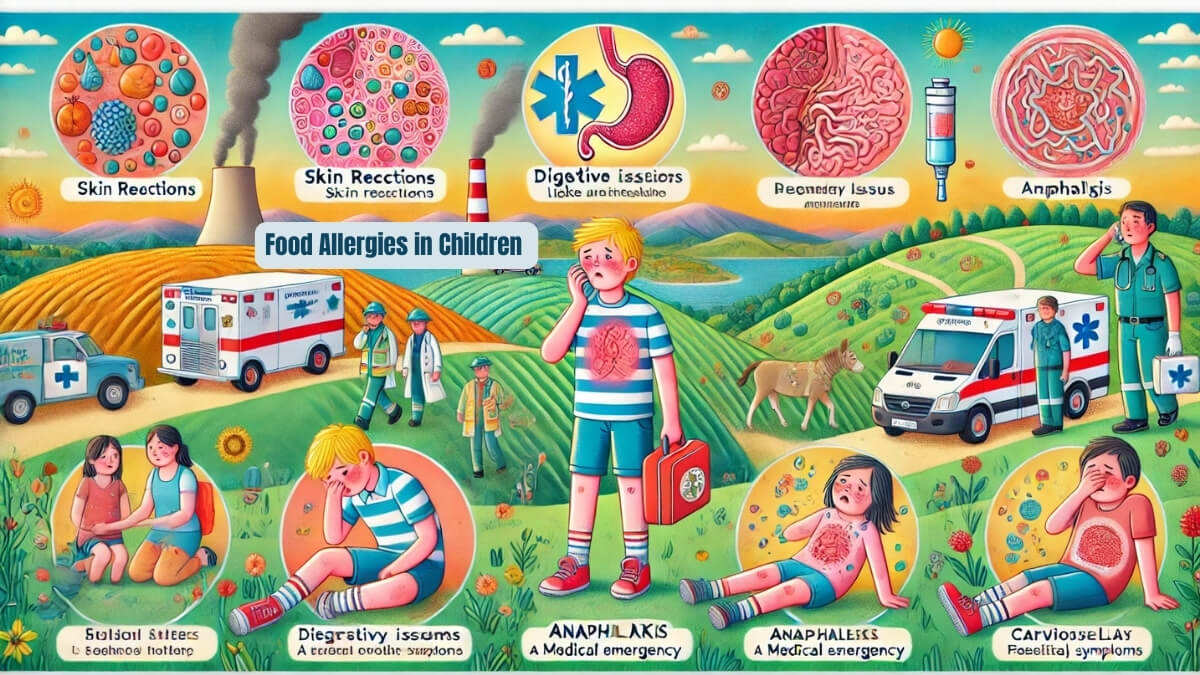
Food allergies in children are a growing concern for parents, educators, and healthcare professionals. As the prevalence of food allergies increases worldwide, understanding this condition becomes essential. Early detection and proper management can significantly reduce risks and improve the quality of life for affected children. Furthermore, educating parents and caregivers about symptoms, triggers, and emergency procedures is crucial. With the right knowledge, food allergies in children can be managed effectively, ensuring children lead healthy, safe lives. In the following sections, we will explore key facts and practical tips to help navigate this complex condition. This guide explores food allergies in children, their causes, symptoms, and management, offering practical tips to keep children safe and healthy.
What Are Food Allergies in Children?

Food allergies occur when a child’s immune system mistakenly identifies a specific food as harmful. This triggers an allergic reaction that can vary in severity. Dr. Kari Nadeau, an expert in allergy and immunology, explains, “Food allergies are a misdirected immune response, often affecting multiple organ systems and requiring vigilance in daily life.” Unlike food intolerances, which primarily involve digestive discomfort, food allergies can cause widespread reactions. Symptoms may appear on the skin, such as hives or eczema. Additionally, respiratory issues like wheezing or difficulty breathing can develop. In severe cases, cardiovascular symptoms like a sudden drop in blood pressure may occur.
One of the most alarming aspects of food allergies is their unpredictability. Reactions can range from mild to life-threatening. Anaphylaxis, the most severe reaction, requires immediate medical attention and an epinephrine auto-injector. Transitioning from a diagnosis to daily management can be overwhelming for parents. However, understanding the difference between intolerance and allergies is crucial. Dr. Nadeau states, “Education and early recognition are key to preventing severe outcomes.”
Food allergies are increasing among children worldwide. The reasons remain unclear, but research suggests a combination of genetic and environmental factors. Dr. Ruchi Gupta, a leading researcher, notes, “Raising awareness and early intervention can significantly improve the quality of life for allergic children.” Understanding the signs, triggers, and management strategies empowers caregivers to create a safer environment for children. With awareness and preparation, food allergies can be effectively managed.
Common Food Allergens
Children can develop allergies to various foods, but the most common ones include:
- Milk
- Eggs
- Peanuts
- Tree nuts (e.g., almonds, walnuts)
- Soy
- Wheat
- Fish
- Shellfish
These eight foods account for over 90% of allergic reactions in children.

Common Food Allergens in Children
| Allergen | Examples | Possible Reactions | Tips to Manage |
|---|---|---|---|
| Milk | Cow’s milk, cheese, yogurt | Hives, vomiting, breathing difficulty | Use dairy-free alternatives (e.g., almond milk). |
| Eggs | Whole eggs, baked goods | Skin reactions, digestive upset | Substitute with flax or chia seeds in recipes. |
| Peanuts | Peanut butter, peanut oil | Severe anaphylaxis, hives | Avoid processed foods with hidden peanuts. |
| Tree Nuts | Almonds, walnuts, cashews | Swelling, respiratory issues | Check labels for cross-contamination warnings. |
| Soy | Tofu, soy milk, soy-based foods | Stomach cramps, diarrhea, skin rash | Opt for soy-free products like coconut aminos. |
| Wheat | Bread, pasta, baked goods | Digestive issues, hives | Use gluten-free flours like rice or almond. |
| Fish | Salmon, tuna, cod | Swelling, itching, breathing problems | Cook separately to avoid cross-contact. |
| Shellfish | Shrimp, crab, lobster | Severe reactions, including anaphylaxis | Avoid seafood restaurants if highly sensitive. |
This chart simplifies identifying, understanding, and managing the most common food allergens in children.
Symptoms of Food Allergies
Recognizing the signs of food allergies early can save lives. Common symptoms include:
Skin Reactions
Skin reactions are among the most noticeable symptoms of food allergies in children, often presenting as hives, eczema, or redness. Hives are raised, itchy welts that can appear suddenly after exposure to an allergen. Furthermore, eczema, a chronic condition, may worsen with certain food triggers, leading to dry, inflamed, and itchy skin. Redness, which often accompanies these reactions, signals the body’s immune response to an allergen. According to Dr. Kari Nadeau, an expert in allergy and immunology, “Recognizing these symptoms early and identifying the triggers are crucial for effective management and preventing more severe allergic responses.”
Digestive Issues
Digestive issues are common symptoms of food allergies in children. These may include vomiting, diarrhea, or abdominal pain. Dr. Ruchi Gupta, a leading allergy researcher, explains, “The gastrointestinal system often reacts immediately to allergens, causing discomfort and distress.” Vomiting can occur within minutes, signaling the body’s attempt to expel the allergen. Similarly, diarrhea, often severe, may follow as the digestive system struggles to process the food. Additionally, abdominal pain is a frequent complaint, particularly in younger children. Furthermore, transitioning from mild discomfort to severe symptoms can happen quickly. Therefore, Dr. Gupta advises, “Early intervention is key to managing these symptoms effectively.”
Respiratory Problems
Respiratory problems are serious symptoms of food allergies in children. These can include coughing, wheezing, or difficulty breathing. Dr. Kari Nadeau, an allergy specialist, states, “Respiratory symptoms are often the first sign of a severe allergic reaction and should never be ignored.” Coughing may start suddenly as the body reacts to the allergen. Similarly, wheezing, a high-pitched whistling sound during breathing, indicates airway narrowing. Moreover, difficulty breathing, which can escalate quickly, is a medical emergency. Transitioning from mild symptoms to severe respiratory distress can happen rapidly. Therefore, Dr. Nadeau emphasizes, “Immediate treatment with epinephrine can save lives in such cases.”
Anaphylaxis
Anaphylaxis is the most severe and life-threatening reaction to food allergies. It can involve swelling, difficulty breathing, and a sudden drop in blood pressure. Dr. Kari Nadeau, a leading allergy expert, explains, “Anaphylaxis requires immediate medical attention, as it can escalate within minutes.” Swelling often affects the face, lips, and throat, making breathing difficult. Consequently, this can quickly lead to wheezing or complete airway obstruction. Additionally, a drop in blood pressure may cause dizziness or loss of consciousness. Transitioning from initial symptoms to full anaphylaxis happens fast. Therefore, Dr. Nadeau advises, “Always carry epinephrine, as it’s the first line of defense against anaphylaxis.”
Cardiovascular Symptoms
Cardiovascular symptoms are a less common but serious sign of food allergies in children. These can include a rapid heartbeat, dizziness, or fainting. Dr. Ruchi Gupta, an expert in pediatric allergies, explains, “Food allergens can trigger cardiovascular changes, often as part of an anaphylactic reaction.” Specifically, a rapid heartbeat, known as tachycardia, may occur as the body responds to the allergen. Additionally, dizziness or fainting results from a sudden drop in blood pressure, which can be life-threatening if untreated. Therefore, transitioning to these severe symptoms requires immediate action. Dr. Gupta emphasizes, “Quick administration of epinephrine can stabilize these critical symptoms effectively.”
Symptoms of Food Allergies in Children: In a chart
| Symptom Category | Common Signs | Description |
|---|---|---|
| Skin Reactions | Hives, eczema, redness, swelling | Raised, itchy welts (hives), dry and inflamed skin (eczema), redness signaling an immune response. |
| Digestive Issues | Vomiting, diarrhea, abdominal pain | The body reacts by expelling allergens, causing discomfort, cramps, and severe digestive distress. |
| Respiratory Problems | Coughing, wheezing, difficulty breathing | Airways become inflamed, leading to restricted airflow and possible breathing emergencies. |
| Anaphylaxis | Swelling, trouble breathing, drop in blood pressure | A life-threatening reaction requiring immediate medical attention and epinephrine administration. |
| Cardiovascular Symptoms | Rapid heartbeat, dizziness, fainting | Blood pressure drops suddenly, causing weakness, confusion, or even loss of consciousness. |
This chart summarizes key allergic reactions, helping parents and caregivers identify symptoms early.
Diagnosing Food Allergies
Proper diagnosis involves a combination of:
Medical History
Discussing a child’s medical history is a critical first step in diagnosing food allergies. This process involves identifying symptoms and examining any family history of allergies. Dr. Ruchi Gupta, a leading allergy specialist, explains, “Family history can provide valuable clues about potential allergic conditions.” Symptoms like hives, vomiting, or breathing issues are discussed in detail with the doctor. Transitioning from general observations to specific patterns helps pinpoint triggers. Additionally, a thorough history can guide further testing, such as skin or blood tests. Dr. Gupta emphasizes, “Understanding the child’s medical background is essential for accurate diagnosis and effective management.”
Elimination Diet
An elimination diet is a helpful tool for diagnosing food allergies in children. This process involves temporarily removing suspected allergens from the child’s diet under medical supervision. Dr. Kari Nadeau explains, “Elimination diets help identify specific food triggers by observing symptom changes.” Transitioning foods in and out of the diet systematically makes it easier to pinpoint allergens. If symptoms improve during elimination but return when the food is reintroduced, the allergen is identified. However, Dr. Nadeau warns, “Elimination diets should always be guided by a healthcare professional to ensure nutritional needs are met and results are accurate.”
Allergy Testing
Allergy testing is a crucial step in confirming specific food allergens. Skin prick tests involve exposing the skin to tiny amounts of suspected allergens and observing for reactions like redness or swelling. Dr. Ruchi Gupta states, “Skin tests are quick and effective for identifying immediate allergic responses.” Blood tests measure the presence of allergy-related antibodies, offering additional insights. Transitioning between these tests ensures a thorough diagnosis. Both methods are safe and help pinpoint problematic foods accurately. Dr. Gupta emphasizes, “Combining medical history with allergy tests provides a clear picture, allowing for targeted and effective allergy management.”
Oral Food Challenge
The oral food challenge is a highly accurate test for diagnosing food allergies. It involves the child consuming small, increasing amounts of the suspected food under strict medical supervision. Dr. Kari Nadeau explains, “This test helps confirm or rule out an allergy while ensuring the child’s safety.” Transitioning gradually through different doses reduces the risk of severe reactions. Medical staff closely monitor for any symptoms, such as hives or breathing difficulties. If a reaction occurs, immediate treatment is available. Dr. Nadeau emphasizes, “The oral food challenge is the gold standard for food allergy diagnosis, offering clarity and confidence.”
Component Testing
Component testing is an advanced method that identifies specific proteins in food causing allergic reactions. Unlike traditional blood tests, this approach pinpoints the exact allergenic components within a food item. Dr. Amal Assa’ad, an allergy specialist, explains, “Component testing provides deeper insights into the severity and type of food allergy.” This test helps differentiate between mild sensitivity and a high risk of severe reactions, such as anaphylaxis. Transitioning to this detailed analysis can guide tailored treatment plans. Dr. Assa’ad highlights, “This precise testing method empowers families with better management strategies for their child’s unique allergy profile.”
| Diagnostic Method | Description |
|---|---|
| Skin Prick Test | A small amount of allergen is placed on the skin, then pricked to observe any reaction, such as redness or swelling. |
| Blood Test (IgE Testing) | Measures allergen-specific IgE antibodies in the blood to determine possible allergic reactions. |
| Oral Food Challenge | Conducted under medical supervision, this test involves consuming small amounts of a suspected allergen to confirm a reaction. |
| Elimination Diet | Removing suspected allergens from the diet for a period, then gradually reintroducing them to observe symptoms. |
| Medical History & Symptom Review | Doctors assess family history, past reactions, and symptom patterns to identify potential food allergies. |
Early diagnosis helps in managing food allergies effectively and preventing severe
Managing Food Allergies in Children
While food allergies cannot be cured, they can be managed effectively:
Avoid Allergen Exposure
Avoiding allergen exposure is essential for managing food allergies in children. This involves carefully reading food labels, communicating with caregivers, and avoiding cross-contamination during meal preparation. Dr. Scott Sicherer, a leading allergist, advises, “Vigilance is key to preventing accidental exposure to allergens.” Transitioning to allergen-free substitutes, such as almond milk instead of cow’s milk, ensures balanced nutrition. Parents should also educate their children about safe and unsafe foods. Schools and childcare centers play a role in implementing allergy-safe practices. Dr. Sicherer emphasizes, “Proactive planning and awareness are vital for creating a safe environment for children with food allergies.”
Emergency Preparedness
Emergency preparedness is critical for managing food allergies in children. Parents and caregivers should always carry prescribed epinephrine auto-injectors and know how to use them. Dr. Ruchi Gupta stresses, “Quick access to epinephrine can save lives during severe allergic reactions.” Transitioning from recognizing symptoms to taking immediate action is essential. Schools and caregivers must also have an emergency action plan in place. Regularly reviewing the plan ensures everyone is prepared. Additionally, teaching children about their allergies empowers them to seek help during emergencies. Dr. Gupta advises, “Preparedness reduces panic and ensures timely treatment in life-threatening situations.”
Dietary Alternatives
Providing safe and nutritious dietary alternatives is essential for children with food allergies. Replacing allergenic foods with suitable substitutes ensures proper nutrition while avoiding triggers. For example, oat or soy milk can replace cow’s milk, while sunflower seed butter is a great peanut-free option. Dr. Kari Nadeau explains, “Balanced alternatives are key to supporting a child’s growth and development without compromising their safety.” Transitioning to allergy-safe recipes makes meal planning easier for families. Consulting a dietitian can also help identify nutrient-rich options. Dr. Nadeau emphasizes, “Dietary adjustments not only prevent reactions but also promote a healthy, varied diet.”
Educate and Empower
Educating and empowering both children and caregivers is vital for managing food allergies effectively. Teaching children about their specific allergens, how to read food labels, and how to ask for safe food choices empowers them to take control of their health. Dr. Scott Sicherer advises, “The more children understand their allergies, the better they can protect themselves.” Transitioning this knowledge into daily life helps create a safe environment. Parents and caregivers must also be educated about emergency procedures, such as administering epinephrine and recognizing symptoms of anaphylaxis. Dr. Sicherer emphasizes, “Empowerment through education leads to safer, healthier outcomes.”
Collaborate with Schools and Caregivers
Collaboration with schools and caregivers is crucial for effectively managing food allergies in children. It’s important to ensure that teachers, school nurses, and daycare providers are aware of the child’s allergies and know how to respond in case of an emergency. Dr. Kari Nadeau emphasizes, “Clear communication between parents and caregivers is key to preventing allergic reactions in school or daycare settings.” Transitioning this understanding into action plans helps maintain a safe environment. Schools can implement allergy-free zones or menus, while parents should provide necessary medications. Dr. Nadeau adds, “Working together creates a safer, supportive community for the child.”
Managing Food Allergies in Children
| Strategy | Description |
|---|---|
| Avoid Allergen Exposure | Carefully read food labels, avoid cross-contamination, and inform caregivers about the child’s allergies. Dining out requires caution, ensuring restaurant staff are aware of allergens. |
| Emergency Preparedness | Always carry an epinephrine auto-injector, have an action plan, and educate caregivers on how to respond to an allergic reaction. Quick intervention can prevent severe outcomes. |
| Dietary Alternatives | Replace allergenic foods with safe, nutritious options. For example, use almond or oat milk instead of cow’s milk and flaxseed instead of eggs. A registered dietitian can help create a balanced diet. |
| Educate and Empower | Teach children about their allergies, including how to recognize symptoms and communicate with adults. Encourage self-advocacy as they grow older. |
| Collaborate with Schools and Caregivers | Work with teachers, school nurses, and childcare providers to create a safe environment. Provide written allergy action plans and emergency contacts. Regular communication ensures preparedness. |
By implementing these strategies, children with food allergies can stay safe while maintaining a healthy and active lifestyle.
Tips for Parents and Caregivers
Introduce New Foods Gradually
Introducing new foods gradually is essential to monitor potential allergic reactions in children. Dr. Ruchi Gupta, a leading pediatric allergist, advises, “Start with one food at a time and wait three to five days before introducing another.” This approach helps identify any adverse reactions, such as hives, vomiting, or breathing issues. Transitioning too quickly between new foods can make it difficult to pinpoint allergens. Monitoring during the introduction of solids is crucial, especially for high-risk children. Dr. Gupta emphasizes, “Keeping a food diary and consulting with a pediatrician ensures safe and effective dietary progression for young children.”
Breastfeeding and Allergies
Exclusive breastfeeding for the first six months may help reduce the risk of food allergies in children. Dr. Kari Nadeau, an expert in pediatric allergies, explains, “Breast milk provides essential nutrients and antibodies that support the immune system and protect against allergic reactions.” This early protection can strengthen the baby’s defenses against potential allergens. Transitioning to solid foods after six months, while continuing breastfeeding, can also help reduce allergy risks. Dr. Nadeau adds, “Breastfeeding not only nourishes but also primes the child’s immune system, potentially lowering the chances of developing food allergies later in life.”
Regular Checkups
Regular checkups with a pediatrician or allergist are crucial for monitoring a child’s condition and preventing allergic reactions. Dr. Ruchi Gupta, an allergy expert, advises, “Routine visits allow healthcare providers to assess the child’s allergy status and offer guidance on management.” Moreover, these checkups help identify any new symptoms or food triggers. Additionally, a healthcare professional can provide updates on the latest allergy treatments. Consequently, transitioning to allergy management strategies becomes easier with expert advice. Dr. Gupta emphasizes, “Early detection and consistent monitoring are key to managing food allergies effectively and ensuring the child’s safety.”
Food Allergy Facts and Statistics
Food allergies are becoming increasingly common, especially among children. According to the Centers for Disease Control and Prevention (CDC), about 1 in 13 children in the U.S. has a food allergy, equating to nearly two children in every classroom. Common allergens include milk, eggs, peanuts, tree nuts, soy, wheat, fish, and shellfish. Among these, peanuts and tree nuts are often linked to severe allergic reactions, including anaphylaxis, a potentially life-threatening condition. The prevalence of food allergies has increased by 50% over the past two decades, suggesting that environmental, dietary, and genetic factors may contribute to the rise in cases.
The majority of food allergies develop in early childhood, with symptoms often appearing before the age of five. Studies show that food allergies affect around 8% of children in the U.S., and this figure continues to grow. Anaphylaxis, the most serious allergic reaction, affects approximately 1 in 50 children with food allergies. Early diagnosis, careful monitoring, and prompt treatment with epinephrine are essential for managing food allergies and preventing severe outcomes. These statistics highlight the need for heightened awareness, education, and proactive measures to ensure children’s safety and well-being when it comes to food allergies.
- Over 6 million children in the U.S. have food allergies.
- Peanut allergies have doubled in prevalence over the last decade.
- Early exposure to allergens, under medical guidance, may prevent certain allergies.
Encouraging Awareness and Action
Encouraging awareness and action regarding food allergies in children is crucial for their safety. By educating parents, caregivers, and educators, the risks associated with food allergies can be minimized. Furthermore, early identification of allergens and prompt intervention can prevent severe reactions. Dr. Kari Nadeau emphasizes, “Collaboration and vigilance are essential in creating safer environments.” Therefore, staying informed and prepared can significantly improve the quality of life for children with allergies.
In conclusion, food allergies in children require constant vigilance and proactive management. By recognizing symptoms early and collaborating with healthcare professionals, parents can ensure their child’s safety. Ultimately, awareness, preparedness, and education play crucial roles in preventing severe reactions and fostering safer environments, which are essential aspects of overall child health development.
The most common food allergens in children include milk, eggs, peanuts, tree nuts, soy, wheat, fish, and shellfish. These foods are responsible for the majority of allergic reactions. Therefore, it’s crucial to identify these allergens early, as it helps prevent severe reactions and enables effective management of the child’s diet.
Food allergies in children can present with a range of symptoms such as skin reactions (hives, eczema), digestive issues (vomiting, diarrhea), respiratory problems (wheezing, coughing), or anaphylaxis. If any of these symptoms occur after eating a specific food, it’s crucial to seek medical advice for diagnosis through testing and a thorough medical history.
Managing food allergies involves avoiding the allergens, reading food labels carefully, and educating those who care for the child. It’s also vital to carry epinephrine for emergency situations and consult with a pediatrician or allergist regularly to monitor the child’s condition.

2 Comments
This blog post provides such valuable insights into food allergies in children. As a parent, it’s crucial to be aware of the signs and symptoms, as well as the potential risks associated with food allergies. I especially appreciated the section on how to manage allergies and ensure your child stays safe while still enjoying their meals. It’s comforting to know that there are resources and strategies available to help kids with food allergies thrive. Thank you for shedding light on such an important topic!
The blog post explore key facts and practical tips to help navigate this complex condition. This guide explores food allergies in children, their causes, symptoms, and management, offering practical tips to keep children safe and healthy.