


Physical activity plays a crucial role in child health development. It influences physical, mental, and emotional well-being, shaping their future. Regular exercise helps children build stronger muscles, maintain a healthy weight, and develop robust bones. Moreover, it reduces the risk of chronic illnesses such as obesity, diabetes, and heart disease.
According to the World Health Organization, “Physical activity improves both physical and mental health, contributing to better quality of life.” Beyond physical benefits, it enhances brain function, boosts mood, and reduces stress. Additionally, activities like team sports foster social skills, confidence, and teamwork. Incorporating physical activity into daily routines is essential for nurturing healthier, happier children. Whether it’s playing outdoors or joining sports programs, these habits build a foundation for lifelong well-being. This guide explores the 10 key impacts of physical activity on child health, emphasizing how it shapes their future and promotes lifelong well-being.
What is physical activity?
Physical activity refers to any bodily movement that enhances energy expenditure and improves physical health. According to Dr. Kenneth Powell, a public health expert, “Physical activity is vital for maintaining and improving health across all age groups.” It includes exercises like running, playing, or structured workouts, as well as daily activities such as walking or gardening. Importantly, physical activity is not limited to sports; even fun activities like dancing or cycling count. Moreover, it benefits not only the body but also the mind. Regular movement boosts cardiovascular health, strengthens muscles, and supports weight management. In addition, it enhances mood and reduces stress by releasing endorphins. As a result, individuals who stay active enjoy improved mental and emotional well-being. Experts emphasize that incorporating movement into daily routines is essential for long-term health. In conclusion, physical activity is a cornerstone of a healthy lifestyle for children and adults alike.
Impact of Physical Activity on Child Health
Physical activity profoundly impacts a Child’s Health , shaping their overall well-being and development. Regular exercise strengthens muscles, builds sturdy bones, and supports healthy growth. According to Dr. William Roberts, a renowned pediatric health expert, “Active children are healthier, happier, and more resilient.” It reduces the risk of chronic conditions like obesity, diabetes, and heart disease. Moreover, physical activity improves cardiovascular fitness and enhances immunity. Beyond physical health, it supports mental and emotional well-being by reducing stress, boosting mood, and improving concentration.
Active children tend to perform better academically and develop stronger social skills. Importantly, movement fosters lifelong habits that contribute to healthier adult lives. By encouraging regular exercise through play, sports, or fun activities, caregivers and educators can ensure children thrive. Physical activity is a vital foundation for healthy, balanced, and successful lives. Incorporating at least 60 minutes of daily physical activity into a child’s routine not only improves their health but also lays the foundation for a lifetime of wellness.
Enhances Physical Health and Growth

Physical activity is a cornerstone of healthy development. According to the American Heart Association, “Regular physical activity helps children build and maintain healthy bones, muscles, and joints.” Active play, such as running, climbing, and jumping, strengthens bones and muscles while promoting the development of coordination and balance. It also supports cardiovascular health by improving heart function and circulation. Over time, these activities lay the foundation for a physically healthy future by fostering strong, resilient bodies that can handle the demands of growing. Therefore, integrating consistent physical activity into a child’s routine can prevent future health complications like osteoporosis and heart disease.
Reduces the Risk of Obesity

Obesity has become a significant concern in modern childhood. According to the Centers for Disease Control and Prevention (CDC), “Physical activity helps control weight, and when combined with healthy eating, it significantly reduces the risk of obesity.” When children are active, they burn off excess calories, leading to better weight management. Obesity can lead to numerous long-term health issues such as type 2 diabetes, high blood pressure, and even joint problems due to excess weight. Therefore, encouraging children to engage in physical activity helps them avoid these risks while developing healthier lifestyle habits that can persist into adulthood.
Boosts Mental Health and Reduces Stress
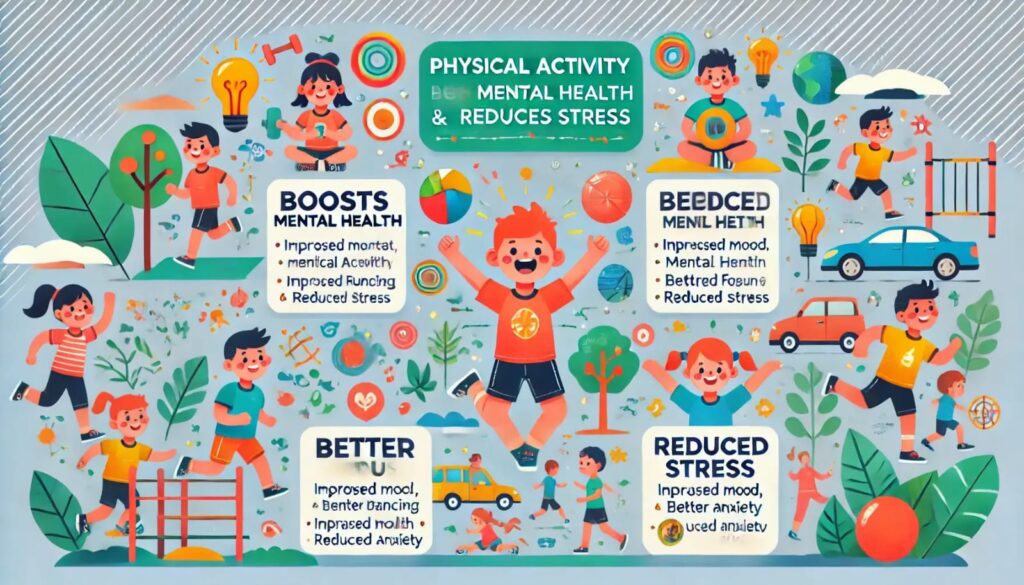
Exercise does more than just improve the body; it also enhances mental health. The Mayo Clinic states, “Physical activity increases the production of endorphins, chemicals in the brain that act as natural painkillers and mood elevators.” Regular exercise reduces anxiety, stress, and symptoms of depression in children. Activities like swimming, cycling, or even running outdoors boost mood and create a sense of well-being. By incorporating physical activity into a child’s day, parents can help their children manage feelings of stress, reduce anxiety, and experience improved emotional health, all of which are critical for mental and emotional development.
Supports Cognitive Development

Physical activity has a direct impact on brain function and cognitive development. Research from the Centers for Disease Control and Prevention shows, “Physical activity increases blood flow to the brain, which helps improve cognitive function and memory.” When children engage in activities like jumping, dancing, or playing sports, they experience better focus, memory retention, and problem-solving skills. Exercise also helps increase attention span and concentration, which can translate into better academic performance. Additionally, physical activity enhances neuroplasticity, which is the brain’s ability to form new neural connections, ultimately supporting lifelong learning.
Promotes Better Sleep Patterns

The National Sleep Foundation notes that “Regular physical activity can help children fall asleep faster and enjoy deeper sleep.” A consistent routine of physical exercise helps children regulate their sleep-wake cycles. Active children often experience higher-quality sleep, which is essential for their physical and cognitive development. Lack of sleep can result in irritability, difficulty concentrating, and negative impacts on mood, so promoting physical activity helps ensure better rest. Parents can support their child’s health by encouraging outdoor play during the day, which helps expend energy and promotes restful sleep at night.
Improves Social Skills
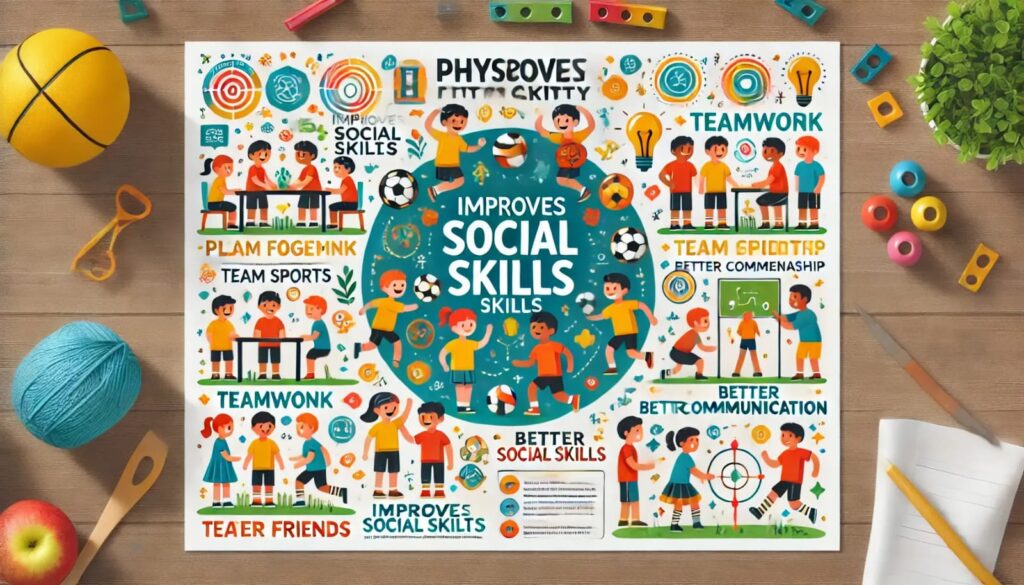
Physical activity often involves social interaction, which helps children develop valuable communication and teamwork skills. According to Dr. John Ratey, a Harvard Medical School professor, “Exercise improves brain function in ways that support social behaviors.” Team sports, group exercises, and outdoor games all require children to interact with others, fostering cooperation, empathy, and problem-solving. These social experiences enhance a child’s ability to work in teams, communicate effectively, and navigate social situations. As a result, children who engage in physical activities are more likely to develop strong, healthy relationships, both in childhood and later in life.
Increases Energy Levels

While it may seem counterintuitive, physical activity boosts energy levels. According to the Mayo Clinic, “Physical activity stimulates the production of endorphins, which improves energy and reduces feelings of fatigue.” Active children tend to have more stamina and vitality throughout the day. Engaging in regular physical activity allows children to build endurance, which translates into feeling more energetic and less sluggish. Furthermore, as children develop physical strength, they feel more capable of managing the demands of daily tasks, from schoolwork to household chores. Ultimately, physical activity keeps children energized and ready to take on new challenges.
Develops Lifelong Healthy Habits

Physical activity helps children build a foundation for lifelong wellness. The American Academy of Pediatrics emphasizes, “The physical activity habits children develop in childhood are likely to carry over into adulthood.” Introducing children to a variety of activities early in life, from organized sports to casual outdoor play, helps them build an active lifestyle. As children grow, they are more likely to maintain these healthy habits if they are encouraged from an early age. These habits foster better health outcomes and decrease the risk of chronic diseases such as obesity, heart disease, and certain cancers later in life. According to the National Institutes of Health, “Physical activity helps children develop a sense of accomplishment and body awareness.” Children who are regularly active learn to appreciate their bodies for their strength, agility, and endurance, which can help prevent negative body image issues as they enter adolescence.
Improves Academic Performance
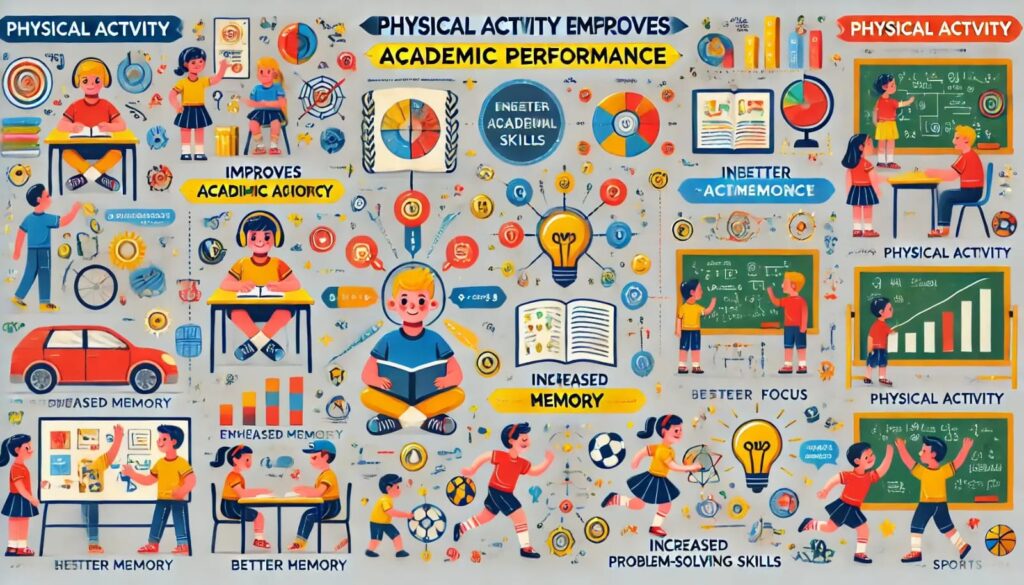
The link between physical activity and academic performance is clear. Studies from the CDC and other educational bodies indicate that “Children who engage in physical activities perform better academically.” Exercise helps improve concentration, memory, and classroom behavior, all of which contribute to better academic outcomes. Physical activity increases blood flow to the brain, enhancing cognitive function and allowing children to absorb and retain information more efficiently. Consequently, physically active children not only grow stronger and healthier but also perform better in school, making physical activity an essential part of a well-rounded education.
Physical activity profoundly impacts child health, enhancing physical, mental, and social well-being. It strengthens bodies, boosts brain function, and improves social skills. Encouraging regular activity lays a foundation for lifelong health. As Dr. John Ratey says, “Exercise is like taking a vitamin for the brain,” shaping well-rounded, thriving individuals.
Regular physical activity strengthens muscles and bones, helps maintain a healthy weight, and improves cardiovascular health. It also enhances mental well-being by reducing stress and improving mood, fostering better emotional resilience.
The World Health Organization recommends at least 60 minutes of moderate to vigorous physical activity daily for children. Activities like running, cycling, or sports are great options to meet this goal and support overall health.
Consistent physical activity in childhood reduces the risk of chronic illnesses such as obesity, diabetes, and heart disease later in life. It also promotes lifelong habits for maintaining mental and emotional well-being.

2 Comments
It reduces the risk of chronic conditions like obesity, diabetes, and heart disease.
Excellent article! The impact of physical activity on a child’s health is undeniable. These 10 key points clearly show how exercise contributes to mental, physical, and emotional growth. It’s so important for parents to encourage physical activity early on for long-term benefits. Thanks for highlighting these crucial insights!