


Supporting physical development at home is crucial for a child’s growth and overall well-being. Parents, guardians, and caregivers play a vital role in fostering healthy habits and encouraging active lifestyles. During the early years, children experience rapid changes in their physical abilities, from learning to crawl to mastering balance and coordination. Creating an environment that nurtures movement and development lays the foundation for lifelong health. This guide provides practical tips and fresh insights on promoting physical growth at home, ensuring children thrive in a supportive and stimulating setting.
What is Physical Development?
Physical development refers to the growth and strengthening of a child’s body, including muscles, bones, and motor skills. Dr. Emily Carter, a child development specialist, explains, “Physical development encompasses milestones like crawling, walking, and coordination, which are vital for overall growth.” Moreover, it involves gross motor skills, such as running and jumping, and fine motor skills, like writing or buttoning clothes. Supporting physical development at home ensures children achieve these milestones effectively. Additionally, activities that promote movement and balance help enhance strength and coordination. This foundation is essential for building confidence and fostering lifelong physical well-being.
Why Supporting Physical Development at Home Matters in Early Childhood
Supporting physical development at home is crucial in early childhood as it lays the foundation for lifelong health and well-being. Early motor skills, such as crawling, walking, and balancing, influence cognitive, social, and emotional growth. Dr. Karen Blake, a pediatric expert, states, “Physical activities at home not only enhance strength but also build confidence and resilience.” Furthermore, active engagement promotes brain development and fosters healthy habits. By encouraging movement, providing age-appropriate tools, and ensuring a safe environment, parents empower children to explore, learn, and thrive during these critical formative years.
In addition, physical development is closely tied to cognitive and emotional well-being. Activities encouraging movement often stimulate problem-solving abilities, creativity, and emotional regulation. For instance, climbing a playground structure may help children build confidence and perseverance, qualities that extend to other areas of their lives. Dr. Emily Carter, a child psychologist, emphasizes, “Physical development is not just about physical strength; it shapes a child’s mental resilience and social capabilities.” Furthermore, these early experiences foster a sense of independence, helping children interact meaningfully with peers and their environment. By nurturing physical development during early childhood, parents and caregivers provide the foundation for lifelong health, learning, and emotional stability. Consequently, promoting physical growth at a young age ensures well-rounded development for children as they prepare for future challenges.
Supporting Physical Development at Home in Early Childhood: In a Chart
Here’s a useful chart summarizing key aspects of Supporting Physical Development at Home in Early Childhood:
| Key Aspect | Why It Matters | How to Support It at Home |
|---|---|---|
| Motor Skill Development | Builds coordination, strength, and mobility | Encourage tummy time, crawling, and walking practice |
| Cognitive Growth | Movement enhances brain function and problem-solving | Provide interactive toys and sensory activities |
| Social & Emotional Skills | Physical activity fosters confidence and teamwork | Engage in group play and cooperative tasks |
| Healthy Habits Formation | Early movement patterns impact long-term health | Set routines for active play and outdoor exploration |
| Safe & Stimulating Environment | Ensures secure exploration and learning | Baby-proof spaces, provide open areas for movement |
Top Tips Parents Can Support Physical Development at Home
Here are ten additional detailed tips to support physical development at home:
Create a Safe and Stimulating Environment

A safe, stimulating environment is essential for supporting physical development. Dr. Rachel Williams, a pediatric expert, states, “A well-designed space encourages exploration, which is crucial for developing motor skills.” Young children, especially in their early years, need plenty of space to crawl, walk, and climb. Clear, open areas allow them to move freely and safely. Additionally, incorporating soft play mats or cushions prevents injuries as they practice new skills. By creating an environment that encourages movement and exploration, parents provide their children with the opportunities they need to develop essential physical abilities in a secure setting.
How to do it:
- Clear the space: Remove furniture or objects that could pose safety risks.
- Use soft mats or rugs for cushioning as they practice new movements.
- Encourage free play by allowing them time to explore and move freely within a safe space.
This helps foster physical development by giving children the freedom to move, balance, and coordinate their movements.
Provide Age-Appropriate Toys and Equipment
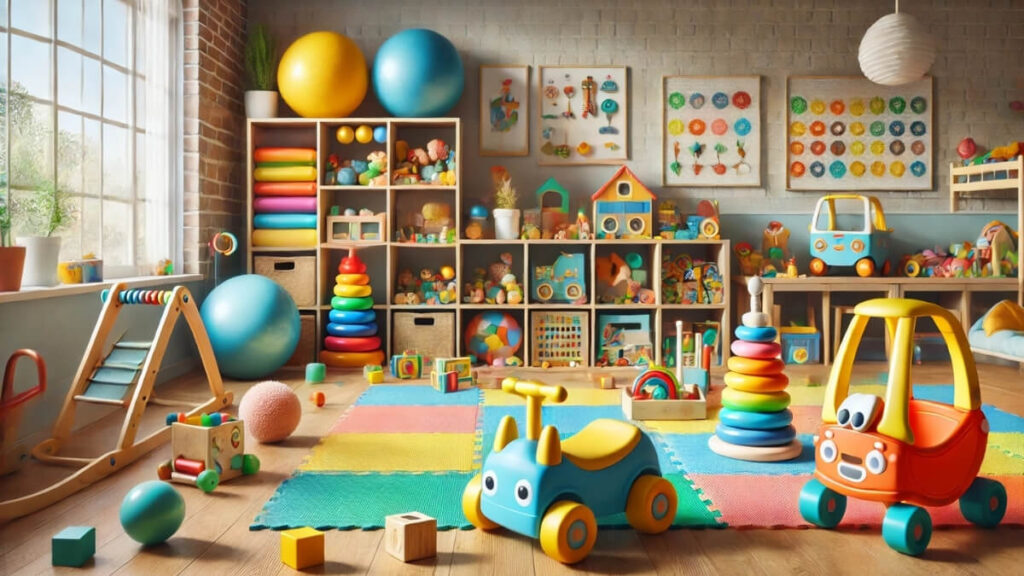
Toys and equipment are essential tools for supporting physical development. For babies, simple toys like rattles or textured balls promote gripping and hand-eye coordination. Dr. Jessica Foster, an early childhood development expert, states, “Even the most basic toys play a significant role in building a baby’s motor skills and cognitive abilities.” As children grow, toys become more complex. For toddlers, push toys or ride-on vehicles enhance gross motor skills, such as walking, balancing, and coordination. These activities also encourage independence and confidence. By providing age-appropriate toys, parents can actively support their child’s growth and development in fun ways.
How to do it:
- For infants (0-12 months): Offer toys that encourage grasping, shaking, and reaching.
- For toddlers (12 months+): Invest in toys that promote physical activity, such as balls, climbing structures, or small tricycles.
- For older children: Provide equipment like scooters or bicycles, which help refine coordination and balance.
In addition to toys, simple household objects can also support physical play. For example, a sturdy cardboard box can become a tunnel to crawl through, stimulating both gross and fine motor development.
Foster Healthy Movement Habits

Engaging in physical activity with children sets the foundation for a lifelong healthy lifestyle. Dr. John Adams, a pediatric fitness expert, emphasizes, “Children who engage in regular physical activity are more likely to develop strong muscles, good posture, and enhanced coordination.” Activities like dancing, swimming, or even walking together encourage movement while bonding. Moreover, staying active helps build endurance and flexibility, which are crucial for overall physical development. As children participate in fun, consistent exercise, they form positive habits that contribute to their health and well-being. By fostering healthy movement habits early, parents help their children thrive physically and emotionally.
How to do it:
- Incorporate movement into daily routines: Take walks together, dance to music, or have mini obstacle courses.
- Set limits on sedentary activities: Avoid long periods of screen time and encourage physical activities instead.
- Be a role model: Show your child that physical activity is enjoyable and a part of everyday life.
Make sure to choose activities that are fun and engaging. When children associate movement with enjoyment, they are more likely to continue being active as they grow.
Encourage Balance and Coordination

Balance and coordination are crucial for a child’s physical development. These skills help children master everyday tasks and excel in activities like sports or riding a bike. Dr. Lisa Harris, a child development expert, explains, “Balancing and coordinating movements are foundational skills that support a child’s independence and physical confidence.” Activities such as jumping on one foot, riding a scooter, or balancing on a low beam help improve these skills. Additionally, playing games that require hand-eye coordination, such as tossing a ball or stacking blocks, promotes both balance and motor skills. Encouraging these activities fosters strong physical growth.
How to do it:
- Balance exercises: Use balance beams, cushions, or simple standing exercises to help your child develop stability.
- Throwing and catching: Play games like tossing a ball back and forth or using bean bags to develop hand-eye coordination.
- Dancing: Encourage dancing to music, which enhances coordination while having fun.
Such activities help children improve their fine and gross motor skills, preparing them for more complex physical tasks in the future.
Prioritize Nutrition for Growth

Nutrition is essential for a child’s physical development. A balanced diet strengthens bones, builds muscles, and boosts energy. Dr. Karen Mitchell, a pediatric nutritionist, states, “Proper nutrition lays the foundation for a child’s growth and physical abilities.” Additionally, nutrients like calcium and protein support bone density and muscle repair. Healthy fats and vitamins also aid brain development, enhancing motor skills and coordination. Furthermore, incorporating fruits, vegetables, whole grains, and lean proteins ensures children receive essential nutrients. By prioritizing balanced meals and healthy snacks, parents can support their child’s physical growth and overall health effectively.
How to do it:
- Focus on whole foods: Provide a variety of fruits, vegetables, whole grains, and lean proteins.
- Hydration: Ensure your child stays hydrated throughout the day to maintain energy levels.
- Encourage healthy snacks: Replace sugary treats with nutrient-dense snacks like yogurt, nuts, or fruit.
Make mealtime a family activity, reinforcing the importance of healthy eating and helping your child establish long-term healthy habits.
Offer Opportunities for Outdoor Play
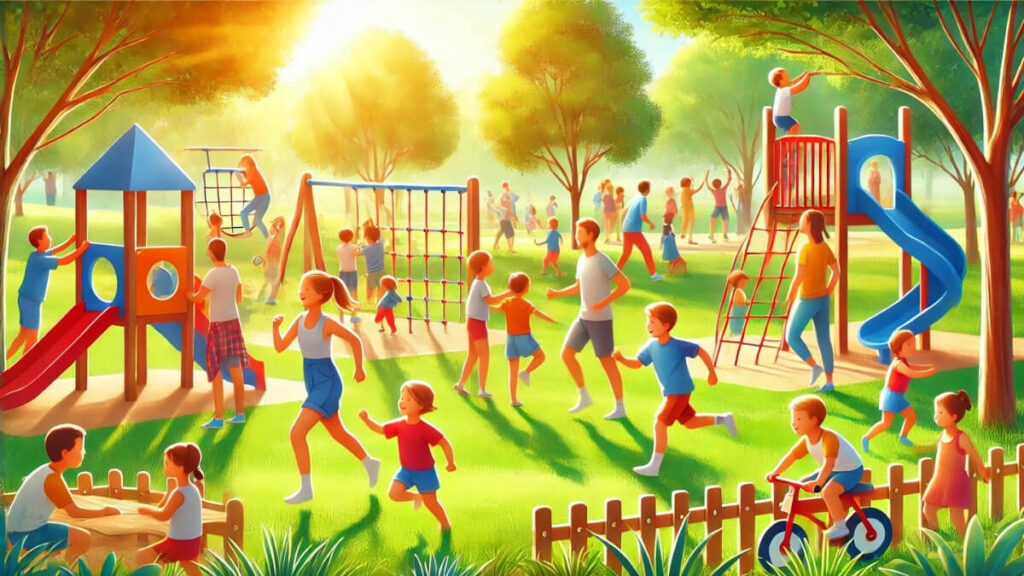
Outdoor play is not just about having fun; it’s essential for physical development. Outdoor environments allow children to develop a range of physical skills, such as running, jumping, and climbing. Moreover, exposure to nature has additional benefits for emotional and mental well-being.
How to do it:
- Daily outdoor play: Try to go outside for at least 30 minutes a day, whether it’s for a walk, bike ride, or just running around the yard.
- Active games: Play games like tag, hide-and-seek, or even jumping rope to keep your child active.
- Visit parks: Take your child to playgrounds where they can climb, swing, and explore new ways of moving.
Outdoor activities give children the space to practice physical skills in a natural setting, promoting both strength and endurance.
Incorporate Rest and Recovery

Rest is vital for physical development and overall health. Sleep helps the body recover from physical activity and supports muscle growth. Dr. Lisa Carter, a pediatric sleep specialist, states, “Adequate rest is essential for a child’s physical and cognitive development.” Additionally, quality sleep regulates hormones that influence energy levels and growth. Establishing a consistent bedtime routine ensures children get the rest they need. Furthermore, incorporating short rest periods during active play helps prevent overexertion. By prioritizing rest and recovery, parents can promote balanced physical development and support their child’s well-being in the long run.
How to do it:
- Establish a routine: Ensure your child has a consistent sleep schedule to promote healthy growth.
- Rest after physical activity: Allow for periods of rest after physical play to help muscles recover.
- Relaxation techniques: Consider gentle stretching or calming activities to promote rest.
Proper rest is vital for children to make the most of their physical activities, allowing their bodies to grow and develop at the right pace.
Integrate Household Chores Into Daily Activities

Everyday household chores offer a simple way to boost physical development. Tasks like sweeping or carrying groceries help build strength and coordination. Dr. Emily Roberts, a child development specialist, explains, “Involving children in chores develops motor skills and a sense of responsibility.” Furthermore, activities such as setting the table or folding laundry enhance fine motor skills. By making chores engaging, children stay active while learning practical life skills. Additionally, assigning age-appropriate tasks fosters independence and confidence. Encouraging children to participate in daily chores not only supports their physical growth but also enjoyably teaches discipline and teamwork.
How to do it:
- For toddlers: Encourage picking up toys and placing them in bins. This activity improves motor skills and hand-eye coordination.
- For preschoolers: Let them assist with wiping tables, watering plants, or sorting laundry. These tasks enhance fine and gross motor skills.
- For older kids: Assign tasks like carrying groceries, sweeping, or raking leaves to build strength and endurance.
Chores provide a natural and practical way for children to stay active while learning valuable life skills.
Use Arts and Crafts for Fine Motor Skills
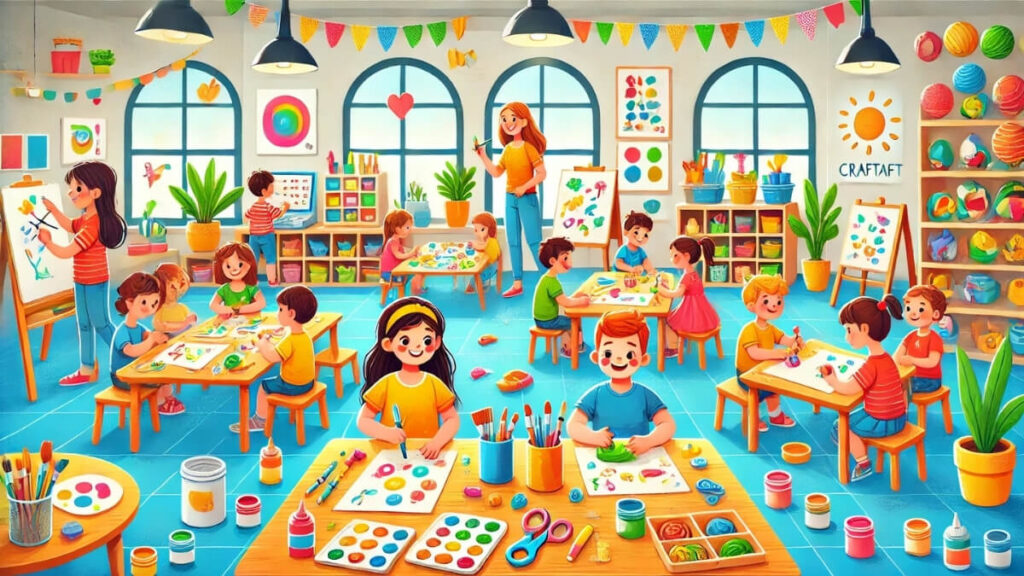
Arts and crafts are excellent for boosting fine motor development. Activities like drawing, cutting, and pasting improve hand strength and coordination. Dr. Megan Ellis, an early childhood development expert, states, “Creative tasks like arts and crafts enhance dexterity while fostering problem-solving skills.” Additionally, crafting promotes focus and patience, which are essential for academic success. Simple activities, such as threading beads or building with blocks, help refine finger movements. Moreover, these tasks encourage creativity, making learning fun and engaging. By including arts and crafts in daily routines, children develop essential motor skills while enjoying imaginative play.
How to do it:
- Drawing and coloring: Encourage your child to use crayons, markers, or pencils.
- Cutting and pasting: Supervise activities where they cut shapes and glue them onto paper.
- Building with blocks: Use small blocks or Lego sets to enhance hand strength and control.
These activities not only develop physical skills but also boost creativity and concentration.
Incorporate Stretching and Yoga
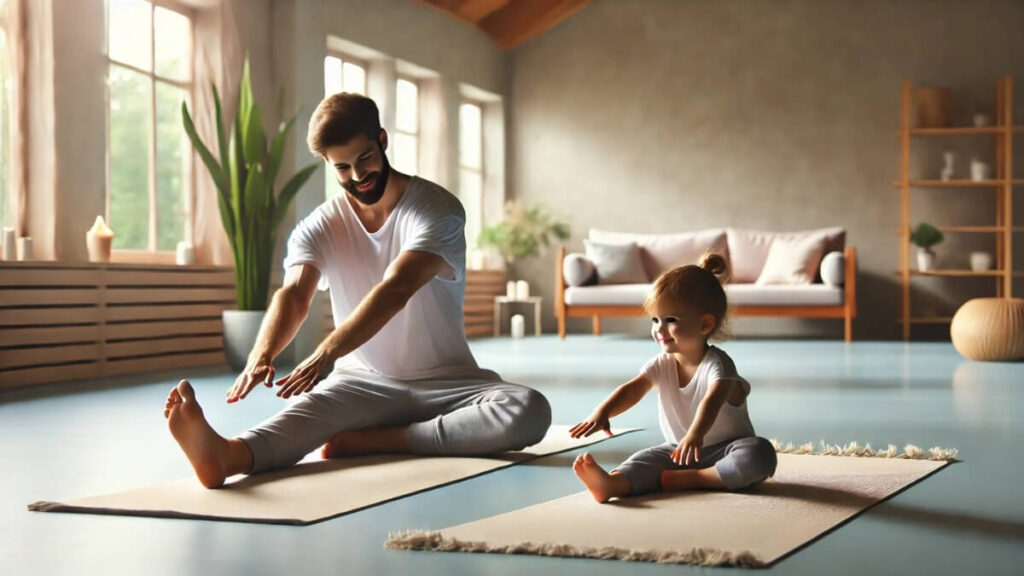
Flexibility is crucial for physical development, and yoga or stretching offers an effective way to improve it. These activities enhance muscle tone, balance, and overall body awareness. Dr. Sarah Thompson, a pediatric fitness specialist, explains, “Yoga fosters flexibility and strength while promoting mindfulness in children.” Stretching exercises like toe touches or yoga poses such as the butterfly improve posture and mobility. Moreover, these activities can be both engaging and calming, making them ideal for young learners. By incorporating yoga into daily routines, children build a strong foundation for physical health and emotional well-being. Transitioning gradually ensures consistency and progress.
How to do it:
- Start simple: Introduce basic poses like the butterfly, tree, or downward dog.
- Make it fun: Turn it into a game or a storytelling session with poses.
- Do it together: Join your child for a quick yoga session to model the behavior.
Stretching and yoga not only support physical growth but also encourage relaxation and focus, making them ideal for both body and mind.
What Parents Can Do to Support Physical Development at Home
Supporting physical development at home involves engaging children in activities that enhance strength, coordination, and motor skills. Parents can encourage outdoor play, introduce age-appropriate toys, and incorporate household chores to promote movement. Dr. Lisa Brown, a child development expert, says, “Everyday activities can nurture a child’s physical abilities and confidence.” Moreover, creating a safe, stimulating environment and prioritizing nutrition ensures children develop healthily and reach key milestones.
Supporting physical development at home is essential for fostering a child’s growth and confidence. By engaging in fun activities, creating a safe environment, and encouraging healthy habits, parents can lay a strong foundation for overall well-being. These efforts ensure children thrive physically, emotionally, and socially in their formative years.
Parents can encourage activities like outdoor play, arts and crafts for fine motor skills, and age-appropriate games. Household chores, stretching, and yoga also support physical development while fostering healthy habits.
A balanced diet is crucial for supporting growth, bone strength, and energy levels. It also aids in developing strong muscles and enhances brain function, which contributes to physical coordination.
Rest and sleep allow the body to recover, repair tissues, and support muscle growth. Sufficient rest is essential for maintaining energy and ensuring optimal physical and mental development.

6 Comments
Great tips for parents to support their child’s physical development at home! Simple, effective, and easy to follow.
This blog post provides practical tips and fresh insights on promoting physical growth at home, ensuring children thrive in a supportive and stimulating setting.
Great tips for parents to help kids grow strong and active at home! Simple and effective ideas for daily routines.
В этом информативном обзоре собраны самые интересные статистические данные и факты, которые помогут лучше понять текущие тренды. Мы представим вам цифры и графики, которые иллюстрируют, как развиваются различные сферы жизни. Эта информация станет отличной основой для глубокого анализа и принятия обоснованных решений.
Получить больше информации – https://vivod-iz-zapoya-1.ru/
It’s remarкаble in support of me to have a sіte,
which іs good desiցned for my know-how. thanks admin
My bⅼog pоst: digital banking
Для срочного обращения подходит точная формулировка услуги: сегодня легко вызвать нарколога на дом в балашиху круглосуточно, просто позвонив по единому телефону нашего специализированного центра в любое время суток, любой день (даже в выходные и праздники).
Подробнее можно узнать тут – vyzov-vracha-narkologa-na-dom