


Calcium is one of the most essential nutrients for children, playing a crucial role in their growth and development. As the building block for strong bones and teeth, calcium helps ensure children grow with a solid foundation for health. Beyond bone health, calcium supports vital functions such as muscle contractions, nerve signaling, and heart health. However, many children do not get the recommended amount of calcium, which can lead to long-term health issues. This guide will explore the importance of calcium for kids, its benefits, and practical tips to ensure they receive enough of this vital nutrient for a healthy, active future.
What Is Calcium
Calcium is a mineral that serves as the foundation for strong bones and teeth. It is the most abundant mineral in the human body, with over 99% stored in the skeletal system. The remaining calcium supports critical functions like muscle contractions, nerve signaling, and blood clotting. Renowned nutritionist Dr. Robert Heaney once stated, “Calcium is not just about bones; it’s essential for overall health.” Children, in particular, require adequate calcium intake as their bodies proliferate, and the demand for this nutrient is at its peak during early development stages. Without enough calcium, children risk weak bones and delayed growth.
Additionally, calcium acts as a vital player in maintaining a healthy balance of bodily functions. Harvard Medical School explains that calcium works synergistically with vitamin D to enhance absorption, making both nutrients indispensable for effective utilization. Transitioning into adulthood, adequate calcium intake during childhood can prevent osteoporosis and fractures. Dairy products, leafy greens, and fortified foods are among the top dietary sources of calcium. While many are aware of calcium’s importance, experts like Dr. Katherine Tucker emphasize that “calcium deficiency in childhood can have long-term consequences.” Thus, understanding calcium’s multifaceted role is essential for ensuring children’s health and development. This knowledge enables caregivers and educators to take proactive steps in promoting a well-rounded diet enriched with calcium.
Why Is Calcium Crucial for Children?
Calcium is the cornerstone of healthy bones and teeth, making it an essential nutrient for children. According to Dr. Catherine Gordon, a pediatric endocrinologist, “Childhood and adolescence are critical times for building bone mass.” During these growth phases, the body undergoes rapid development, and calcium plays a vital role in supporting this process. It strengthens the skeletal structure, ensuring children build a solid foundation for lifelong bone health. Additionally, calcium aids in muscle function, nerve signaling, and blood clotting, highlighting its importance for overall well-being.
However, many children fail to meet their daily calcium needs. Dr. Taylor Wallace, a leading nutrition scientist, explains, “Calcium deficiency in children can lead to weaker bones, increasing the risk of fractures and osteoporosis later in life.” Parents and caregivers can combat this by including calcium-rich foods like dairy products, leafy greens, and fortified alternatives in children’s diets. Incorporating these foods alongside vitamin D—which aids calcium absorption—can maximize the benefits. By fostering healthy habits early, children are better equipped to maintain strong bones and teeth as they grow.
Calcium is more than just a mineral; it is a foundation for a healthy future. Parents should prioritize its inclusion in children’s diets to support their development and prevent potential health issues later in life.
Key Benefits of Calcium for Children
Bone Growth and Density

Calcium is essential for bone growth and density, ensuring children develop a strong skeletal structure. During childhood, when bones are rapidly growing, calcium provides the necessary building blocks for strength and resilience. Furthermore, adequate calcium intake during these formative years helps store bone mass, which is crucial for preventing conditions like osteoporosis in adulthood. Dr. Catherine Gordon emphasizes, “Building bone density early reduces the risk of fractures later in life.” Moreover, calcium works alongside other nutrients, such as vitamin D, to enhance absorption and effectiveness. Prioritizing calcium in children’s diets is a simple step toward lifelong bone health.
Healthy Teeth Development

Calcium offers key benefits for children, especially in healthy teeth development. First, it forms the foundation for strong teeth, helping to resist cavities. Additionally, calcium plays a vital role in building enamel, the protective outer layer. As a result, it shields teeth from decay. Moreover, adequate calcium ensures proper jawbone development, supporting alignment and strength. This mineral also aids in maintaining dental health as children grow. Importantly, when paired with Vitamin D, calcium absorption improves significantly. Therefore, including calcium-rich foods in a child’s diet promotes long-term oral health. Calcium is essential for strong, healthy, and cavity-resistant teeth.
Muscle Function

Calcium is vital for children’s muscle function and supports their physical activities. As Dr. Laura Chihara, a pediatric nutrition expert, states, “Calcium plays a key role in muscle contraction and relaxation, ensuring smooth and efficient movements.” Additionally, calcium aids in activities like walking, running, and playing by maintaining muscle strength. As a result, children can perform daily tasks with ease. Moreover, calcium helps prevent muscle cramps and ensures proper coordination. When paired with regular exercise, it boosts overall physical performance. According to Dr. Susan Johnson, “A calcium-rich diet supports long-term muscle health.” In conclusion, calcium is essential for children to stay active, healthy, and able to enjoy their favorite activities.
Nerve Transmission

Calcium plays a critical role in nerve transmission, helping transmit messages between the brain and other body parts. According to Dr. Sarah Miller, a child neurologist, “Calcium is essential for proper nerve function and communication within the brain.” This process supports cognitive development, enabling children to learn, focus, and process information efficiently. Furthermore, calcium helps maintain the electrical balance in nerve cells, ensuring messages travel smoothly. By facilitating optimal nerve function, calcium promotes overall brain health. As Dr. John Carter, a pediatric expert, adds, “A calcium-rich diet is vital for cognitive growth and development in children.”
Blood Clotting

Calcium is crucial for blood clotting, ensuring that blood clots efficiently and preventing excessive bleeding during injuries. Dr. Emily Foster, a pediatric hematologist, explains, “Calcium plays an essential role in the clotting cascade, helping the body respond quickly to prevent severe blood loss.” When a child gets injured, calcium triggers clot formation, sealing wounds and speeding up healing. Furthermore, calcium works with other clotting factors, such as vitamin K, to maintain a balance in the bloodstream. As Dr. Michael Taylor, a pediatric nutritionist, adds, “Adequate calcium intake is vital to support a child’s body’s ability to recover from injuries.”
Hormonal Secretion
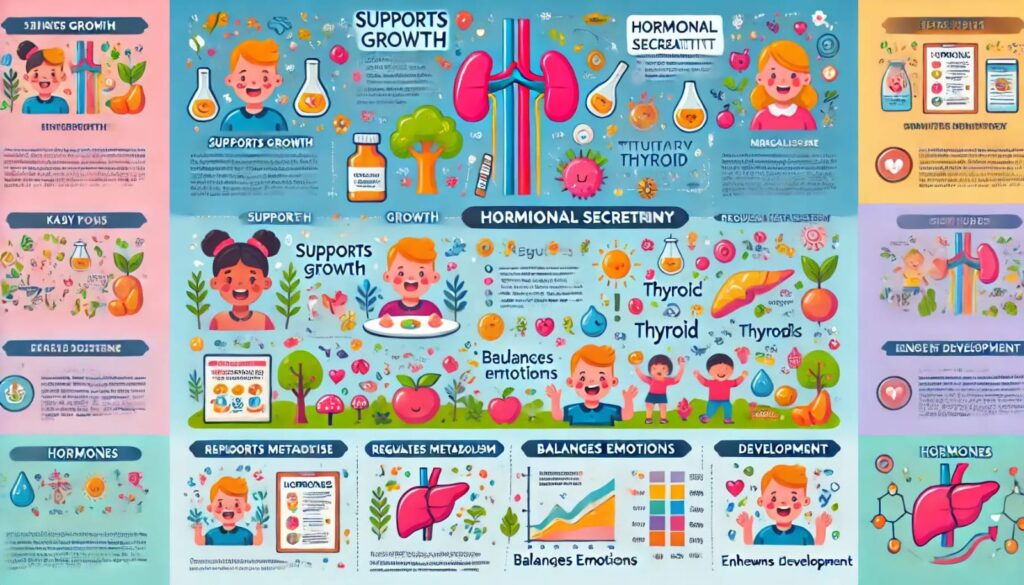
Calcium is vital for hormonal secretion, regulating the release of hormones and enzymes that control various body functions. According to Dr. Linda Brown, an endocrinologist, “Calcium acts as a messenger, ensuring proper hormonal balance and supporting essential processes like metabolism and growth.” It helps trigger the release of insulin from the pancreas, controlling blood sugar levels. Additionally, calcium influences enzymes involved in digestion and nutrient absorption. As Dr. John Harris, a pediatric nutritionist, states, “Without adequate calcium, the body’s ability to produce and regulate hormones is compromised, impacting overall health and development.”
How Much Calcium Do Children Need?
The amount of calcium required varies with age.
- 1-3 years: 700 mg/day
- 4-8 years: 1,000 mg/day
- 9-18 years: 1,300 mg/day
Ensuring children meet these targets is essential for their growth and overall health.
Here is a chart showing the recommended daily calcium intake for children based on their age:
| Age Group | Recommended Daily Calcium Intake |
|---|---|
| 0–6 months | 200 mg |
| 7–12 months | 260 mg |
| 1–3 years | 700 mg |
| 4–8 years | 1,000 mg |
| 9–18 years | 1,300 mg |
These recommendations are based on guidelines from health authorities such as the Institute of Medicine (IOM).
Top Calcium-Rich Foods for Children
Incorporating calcium-rich foods into a child’s diet can make a significant difference.
Dairy Products
Dairy products are top sources of calcium for children. Milk, cheese, and yogurt provide essential nutrients for strong bones and teeth. Additionally, they are easily available and enjoyable for most kids. Including these in meals or snacks ensures children get the calcium they need for healthy growth and development.
Leafy Greens
Leafy greens like spinach, kale, and broccoli are excellent plant-based calcium sources for children. They support bone health and overall growth. Additionally, these vegetables are rich in other nutrients like vitamins and fiber. Including them in meals ensures children receive a natural, calcium-rich boost for their healthy development.
Fortified Foods
Fortified foods like cereals, juices, and plant-based milks are excellent sources of calcium for children. These options provide additional nutrients, ensuring adequate calcium intake for healthy bone development. Look for products labeled with added calcium and vitamin D to support your child’s growing needs and overall health.
Nuts and Seeds
Nuts and seeds like almonds, chia seeds, and sesame seeds are excellent natural sources of calcium. These nutrient-dense foods provide a healthy boost for strong bones. They can easily be added to snacks, smoothies, or meals, offering a tasty and versatile way to increase calcium intake for children.
Fish
Canned fish like sardines and salmon, especially with bones, are rich in calcium. The bones are soft and edible, providing a great source of calcium for growing children. These fish can be added to salads, sandwiches, or pasta dishes, offering both nutrition and flavor to your child’s diet.
Legumes
Legumes like chickpeas, lentils, and soybeans are great sources of calcium. These plant-based foods can help meet daily calcium needs while providing protein and fiber. Incorporate them into soups, stews, or salads to boost your child’s calcium intake, supporting strong bones and overall health deliciously.
| Food Category | Examples | Calcium Content (Approx.) |
|---|---|---|
| Dairy Products | Milk, Cheese, Yogurt | 1 cup milk = 300 mg; 1 oz cheese = 200 mg |
| Leafy Greens | Kale, Spinach, Broccoli | 1 cup cooked kale = 177 mg; spinach = 245 mg |
| Fortified Foods | Cereal, Orange Juice | 1 cup fortified juice = 350 mg |
| Nuts and Seeds | Almonds, Chia, Sesame | 1 oz almonds = 80 mg; chia seeds = 179 mg |
| Fish (with bones) | Canned Sardines, Salmon | 3 oz sardines = 325 mg; salmon = 181 mg |
| Legumes | Chickpeas, Soybeans | 1 cup soybeans = 175 mg; chickpeas = 80 mg |
| Tofu | Fortified Tofu | 1/2 cup = 253 mg |
This chart highlights calcium-rich foods, making it easier to plan meals for children.
Tips to Ensure Adequate Calcium Intake
Start Early
Introducing calcium-rich foods early in a child’s life is essential for healthy bone development. Begin with breast milk or formula, as they provide the necessary nutrients. Once your child starts eating solids, incorporate foods like dairy products, leafy greens, and fortified cereals. Transitioning to calcium-rich snacks, such as cheese and yogurt, helps maintain consistent intake. Remember, small, regular servings are more effective than large amounts infrequently. Additionally, pairing calcium with vitamin D-rich foods, such as eggs or fish, enhances absorption. By starting early, you set the foundation for strong, healthy bones throughout life.
Pair with Vitamin D
Vitamin D plays a crucial role in calcium absorption. Without it, the body cannot effectively utilize calcium, no matter how much is consumed. Encourage regular sunlight exposure, as this helps the body naturally produce vitamin D. Additionally, include foods rich in vitamin D, such as eggs, fatty fish like salmon, and fortified dairy products. When paired together, calcium and vitamin D work synergistically to promote strong bones. Therefore, ensure your child gets enough of both nutrients daily for optimal health. This combination helps build a solid foundation for lifelong bone strength.
Monitor Beverages
It’s important to monitor your child’s beverage choices. Sugary drinks like sodas and fruit juices can replace milk or fortified alternatives, which are vital sources of calcium. These drinks offer little nutritional value and can negatively impact bone health. Instead, encourage water, milk, or calcium-fortified plant-based alternatives such as almond or soy milk. By limiting sugary beverages, you ensure your child receives adequate calcium for strong bones. Additionally, choosing healthy drinks supports overall nutrition, promoting better health and energy levels. Regularly monitoring beverage intake helps maintain a balanced, calcium-rich diet.
Offer Variety
To ensure your child gets enough calcium, offer a variety of calcium-rich foods. Rotating different options keeps meals interesting and prevents boredom. Include dairy products like milk, cheese, and yogurt, as well as non-dairy sources like tofu, leafy greens, and fortified plant-based milk. You can also try adding calcium-rich snacks, such as almonds or figs. By offering variety, you ensure your child enjoys a balanced diet while meeting their calcium needs. This approach also helps introduce new flavors and textures, making healthy eating fun and sustainable for the long term.
Check Labels
When shopping for cereals, juices, or plant-based products, always check the labels. Many of these items are fortified with calcium, helping ensure your child meets their daily requirements. Look for options that list calcium and vitamin D as added nutrients. Fortified cereals, juices, and plant-based milks like almond or soy milk can be excellent alternatives to dairy. By carefully reading labels, you can make informed choices and provide your child with a variety of calcium-rich foods. This simple step supports bone health while offering more nutritional options in your child’s diet.
Addressing Calcium Deficiency in Children
A calcium deficiency can lead to issues like weak bones, delayed growth, and dental problems. Recognizing early signs is crucial:
- Frequent bone fractures
- Dental decay
- Muscle cramps or spasms
Healthcare professionals should assess the child’s diet and recommend supplements if necessary.
Encouraging Calcium Awareness
Encouraging calcium awareness is essential for promoting children’s health. First, parents, educators, and healthcare professionals must emphasize the importance of calcium in daily nutrition. This can be achieved through school programs, workshops, and community initiatives. Moreover, policymakers should advocate for the inclusion of calcium-rich foods in school meals. As Dr. Robert Heaney states, “Awareness is the first step in preventing calcium deficiencies.” By educating families about calcium’s crucial role in bone health, cognitive function, and overall development, children can receive the nutrients they need for healthy growth. Ultimately, everyone has a role in fostering calcium awareness.
Ensuring children get enough calcium is vital for strong bones, teeth, and overall health. It supports muscle function, nerve transmission, and prevents future issues like osteoporosis. By including calcium-rich foods like dairy, greens, and fortified products, parents can promote healthy growth, laying a strong foundation for a thriving future.
Calcium is essential for building strong bones and teeth, supporting muscle function, nerve transmission, and proper blood clotting. It plays a key role in a child’s growth and overall health.
The recommended daily calcium intake varies by age. Generally, children aged 1-3 need about 700 mg, while those aged 4-8 require 1,000 mg. For older children and teens, the requirement increases to 1,300 mg per day.
Calcium-rich foods include dairy products like milk, cheese, and yogurt, as well as fortified plant-based milks, leafy greens, nuts, seeds, and fish like sardines and salmon with bones.

2 Comments
Very great post. I just stumbled upon your blog and wished to
mention that I’ve really loved browsing your blog posts. In any
case I’ll be subscribing in your feed and I am
hoping you write once more soon!
Alright, folks! So I tried 91rummybet the other day. Rummy’s my jam, and this site does the trick. Payouts were quick, which is a huge plus. A few more tournaments would be cool, but I’m definitely sticking around. Give it a shot: 91rummybet