

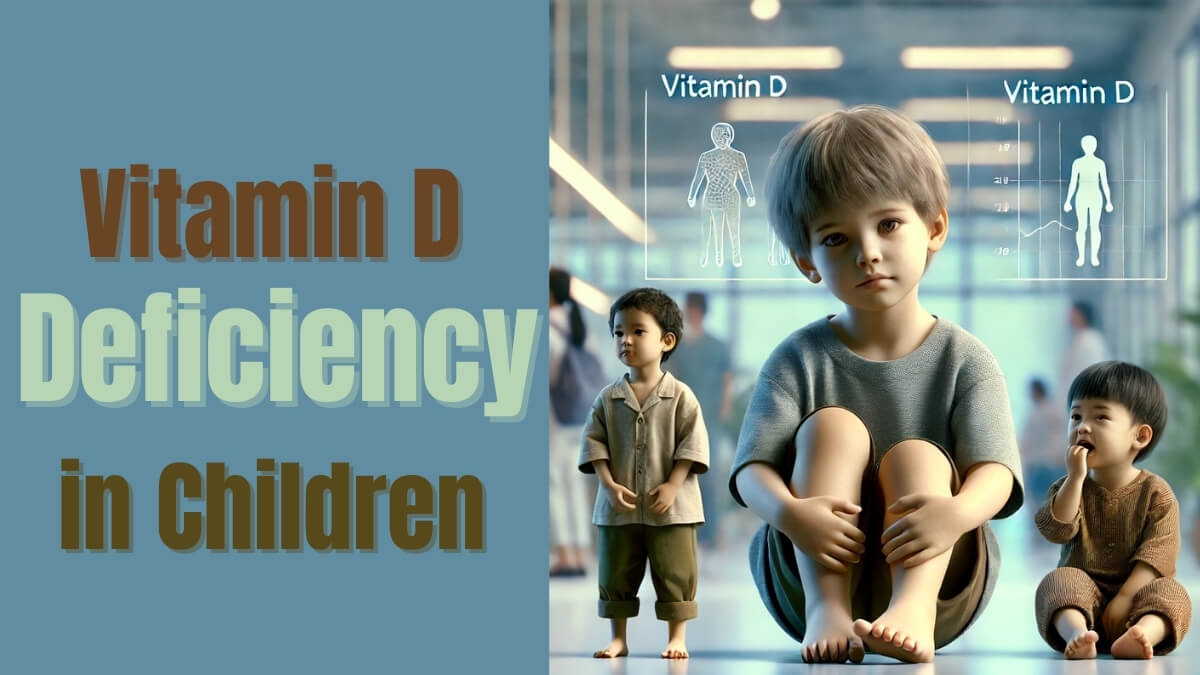
Understanding the essential role of vitamin D in childhood is critical for ensuring children grow up strong, healthy, and ready to learn. But what happens when children don’t get enough of this vital nutrient? Unfortunately, vitamin D deficiency in children is more common than many realize. This deficiency can seriously impact growth and development, affecting physical and mental well-being. In this comprehensive guide, we’ll discuss what vitamin D deficiency is, why it matters, and how parents, educators, and caregivers can take steps to support optimal health.
What is Vitamin D Deficiency in Children?
Vitamin D deficiency in children is a condition where a child’s body lacks enough vitamin D to support crucial bodily functions, especially those tied to bone and immune health. Vitamin D, known as the “sunshine vitamin,” is naturally produced when sunlight hits the skin. It is vital in helping the body absorb calcium and phosphorus—minerals essential for building and maintaining strong bones and teeth. Without adequate vitamin D, children face increased risks of weakened bones, growth issues, and even conditions like rickets, which cause soft or misshaped bones.
Dr. Michael Holick, a leading expert in vitamin D research, explains, “Vitamin D deficiency can affect a child’s bone density, immune function, and overall health.” He highlights that children with low vitamin D may be more susceptible to fractures, infections, and even mood challenges. This deficiency can result from factors like limited sun exposure, diets low in vitamin D, or health conditions that affect nutrient absorption.
Moreover, children with darker skin tones or those who spend minimal time outdoors are at higher risk. As Dr. Holick emphasizes, “Parents and caregivers should be mindful of these factors and consider safe sun exposure or dietary sources like fortified milk and fish to ensure children meet their vitamin D needs.” Recognizing the signs and addressing vitamin D deficiency early can have lasting positive effects on a child’s health and development.
Vitamin D Levels in Children: What Do the Numbers Mean?
Vitamin D levels in children are measured through a blood test, providing insight into how much of this crucial nutrient is available to support healthy growth and development. Understanding these levels helps determine if a child has adequate vitamin D, if they’re deficient, or if they’re at risk for toxicity from excessive supplementation. Here’s a breakdown of what various vitamin D levels mean, commonly measured in nanograms per milliliter (ng/mL).
| Vitamin D Level (ng/mL) | Status | Description |
|---|---|---|
| < 20 ng/mL | Deficient | Children with levels below 20 ng/mL are considered deficient. This deficiency can lead to weak bones, risk of fractures, and conditions like rickets. |
| 20-29 ng/mL | Insufficient | Levels in this range are considered insufficient, meaning the child has low levels that may not meet full body needs, though not critically low. |
| 30-100 ng/mL | Sufficient | This is the optimal range for children, supporting strong bones, a healthy immune system, and overall growth. |
| > 100 ng/mL | Potentially Toxic | High levels above 100 ng/mL may lead to toxicity, with symptoms such as nausea, vomiting, weakness, and kidney problems. |
Explanation of Vitamin D Levels:
- Deficient (<20 ng/mL):
Children with levels under 20 ng/mL are likely to show symptoms of deficiency, such as bone pain, muscle weakness, or slower growth. These levels indicate a need for immediate intervention, often with supplements or increased sun exposure. - Insufficient (20-29 ng/mL):
An insufficient range indicates low vitamin D levels, which may not yet cause symptoms but still put a child at risk. This level suggests the need for dietary adjustments, moderate supplementation, or more regular sun exposure to reach optimal levels. - Sufficient (30-100 ng/mL):
Levels in this range are considered adequate, supporting healthy bone development and immune function. This is the target range recommended by most pediatricians. - Potentially Toxic (>100 ng/mL):
Levels above 100 ng/mL can become dangerous, as vitamin D is fat-soluble and builds up in the body. Excessive vitamin D can lead to calcium buildup in the blood, causing symptoms like vomiting, weakness, and potential kidney damage.
Monitoring Vitamin D Levels
For children at risk of vitamin D deficiency—especially those with limited sun exposure, dietary restrictions, or specific health conditions—routine testing every 6–12 months may be recommended.
Why is Vitamin D Important for Children?

Vitamin D goes beyond supporting bone health. It plays a role in:
Immune function
Vitamin D is crucial for children because it supports their immune function. It helps the body fight infections, thus reducing the risk of illnesses. Dr. Michael Holick, an expert in vitamin D research, states, “Vitamin D is essential for activating immune cells and boosting the body’s ability to defend against harmful pathogens.” Without adequate vitamin D, children may be more vulnerable to infections, such as colds or respiratory illnesses. Consequently, maintaining optimal vitamin D levels is key to strengthening a child’s immune system and promoting overall health. Ensuring proper intake can help prevent frequent sickness.
Mood regulation
Vitamin D plays an important role in mood regulation and mental health in children. Studies show that adequate levels of vitamin D are linked to improved mental well-being. Dr. Michael Holick explains, “Vitamin D influences the production of serotonin, a neurotransmitter that affects mood and behavior.” When vitamin D levels are low, children may experience increased irritability or mood swings. As a result, ensuring sufficient vitamin D intake can contribute to emotional balance. Therefore, maintaining proper vitamin D levels is not only important for physical health but also for promoting a positive and stable mood in children.
Cognitive development
Vitamin D is essential for cognitive development in children. Research shows that adequate vitamin D levels are associated with better brain function and learning abilities. Dr. Michael Holick states, “Vitamin D is critical for brain development, affecting cognition, memory, and focus.” Low levels of vitamin D may lead to developmental delays or learning difficulties. Furthermore, studies suggest that children with sufficient vitamin D perform better academically and have improved attention spans. Therefore, ensuring children receive enough vitamin D is vital for their cognitive growth and success in school. In short, vitamin D contributes significantly to a child’s mental development.
Bone Health
Vitamin D is crucial for strong bones in children. It helps the body absorb calcium and phosphorus, two essential minerals for bone development. Dr. Michael Holick explains, “Vitamin D is a key player in bone health, promoting proper bone mineralization and strength.” Without enough vitamin D, children are at risk for conditions like rickets, which lead to weak or soft bones. As a result, they may experience growth delays or frequent fractures. Therefore, ensuring children receive adequate vitamin D through sun exposure, diet, or supplements is essential for maintaining bone density and reducing long-term bone health issues.
Muscle Function
Vitamin D is essential for healthy muscle function in children. Studies show that adequate levels of vitamin D contribute to better muscle strength and coordination. Dr. Michael Holick explains, “Vitamin D deficiency can lead to muscle weakness and poor physical performance.” Without sufficient vitamin D, children may struggle with balance, strength, and motor skills. As a result, they may face challenges in physical activities and sports. Therefore, maintaining proper vitamin D levels is crucial for promoting muscle health, helping children perform daily tasks with ease, and improving their overall physical development. In short, vitamin D supports stronger, more coordinated muscles.
Causes of Vitamin D Deficiency in Children
Vitamin D deficiency in children can stem from several factors. Let’s explore some of the most common causes:
Limited Sun Exposure
Limited sun exposure is a primary cause of vitamin D deficiency in children. Children who spend little time outdoors or live in northern regions with minimal sunlight may lack the sunlight needed to produce enough vitamin D. Dr. Michael Holick notes, “Sunlight is a natural source of vitamin D, and without it, children are at risk of deficiency.” Additionally, wearing strong sunscreen blocks UV rays that trigger vitamin D production in the skin. As a result, children who avoid sun exposure or frequently use high-SPF sunscreen may struggle to maintain healthy vitamin D levels, impacting their overall health.
Dietary Deficiency
Dietary deficiency is another key cause of vitamin D deficiency in children. Many foods rich in vitamin D, such as fatty fish, eggs, and fortified milk, may be absent from some children’s diets. Dr. Michael Holick explains, “Dietary sources are essential for vitamin D intake, especially when sun exposure is limited.” Children on vegan or dairy-free diets face added challenges since they avoid many vitamin D-rich foods. As a result, these children may struggle to meet their vitamin D needs through diet alone. Therefore, ensuring a varied diet or considering supplements is vital for maintaining healthy levels of vitamin D.
Health Conditions
Health conditions can also lead to vitamin D deficiency in children. Certain medical issues, such as celiac disease or cystic fibrosis, interfere with the body’s ability to absorb vitamin D from food. Dr. Michael Holick states, “Chronic conditions affecting the digestive system can greatly reduce vitamin D absorption, leading to deficiency.” These conditions impair nutrient absorption, making it difficult for children to get enough vitamin D even if their diet is adequate. As a result, children with these health concerns often need additional monitoring and support to maintain healthy vitamin D levels, sometimes through supplements or specialized diets.
Skin Color
Skin color can influence vitamin D levels in children, as melanin, the pigment that gives skin its color, reduces the skin’s ability to produce vitamin D. Dr. Michael Holick explains, “Melanin acts as a natural sunscreen, meaning children with darker skin tones need more sun exposure to produce adequate vitamin D.” As a result, children with higher melanin levels often face a greater risk of deficiency, especially if they don’t get enough sunlight. Therefore, these children may need additional sun exposure or dietary sources to maintain healthy vitamin D levels and support essential bodily functions.
Obesity
Obesity can contribute to vitamin D deficiency in children, as excess body fat can interfere with vitamin D absorption. Dr. Michael Holick notes, “Vitamin D can become trapped in fat tissues, making it less available to the body.” This means that children with higher body fat may have lower circulating levels of vitamin D, even if their intake is sufficient. As a result, children with obesity are at a higher risk of deficiency and may require additional vitamin D through diet or supplements to reach optimal levels for health.
Symptoms of Vitamin D Deficiency in Children
Recognizing the signs of vitamin D deficiency early is essential. Symptoms can be subtle but may include:
Frequent Bone Fractures
Children with vitamin D deficiency may experience fragile bones, increasing the risk of fractures. Dr. Michael Holick states, “Vitamin D is essential for bone strength and density.” Without it, bones can weaken, making them more prone to injury. Recognizing repeated fractures or bone injuries in children should prompt parents to seek medical advice. Early intervention can prevent further bone health complications.
Fatigue
Persistent tiredness or lethargy can signal vitamin D deficiency in children. This nutrient supports energy production and overall vitality. When levels are low, children may feel unusually fatigued, even after adequate rest. Dr. Holick explains, “Vitamin D plays a role in cellular energy regulation.” If fatigue is constant and unexplained, it’s essential to consult a healthcare professional for evaluation and guidance.
Bone Pain or Muscle Weakness
Children may complain of aches or pains in their legs, arms, or back due to vitamin D deficiency. This nutrient is vital for proper muscle and bone function. Dr. Holick highlights, “Muscle weakness and bone pain are often early signs of deficiency.” If children struggle with physical activities or experience frequent discomfort, it may be time to assess their vitamin D levels.
Slow Growth
Vitamin D deficiency can lead to delayed physical growth or slower tooth development in children. This nutrient is crucial for skeletal growth and overall development. When levels are insufficient, growth milestones may lag. Dr. Holick notes, “Vitamin D supports normal bone and dental development.” Observing growth delays warrants consultation with a pediatrician for proper diagnosis and support.
Mood Issues
Mood swings, irritability, or sadness in children can be linked to low vitamin D levels. This nutrient plays a role in regulating brain health and mood. Dr. Holick states, “Vitamin D receptors are present in the brain, influencing emotional well-being.” If mood issues persist without a clear cause, evaluating vitamin D intake and levels may provide insights and solutions.
If these symptoms are observed, consulting a healthcare professional for a blood test to measure vitamin D levels is recommended.
How to Prevent Vitamin D Deficiency in Children
While vitamin D deficiency is common, there are steps parents, educators, and caregivers can take to prevent it.
Encourage Safe Sun Exposure
Safe sun exposure is essential for boosting vitamin D levels in children. Spending time outdoors allows the body to produce vitamin D naturally. Dr. Michael Holick states, “Moderate sunlight exposure is a simple and effective way to maintain healthy vitamin D levels.” Encourage outdoor play during mornings or late afternoons to avoid harmful UV rays.
- Timing Matters: Spending 15–20 minutes in direct sunliguht several times a week can help children produce adequate vitamin D.
- Safety First: To avoid sunburn, encourage outdoor play during the early morning or late afternoon and always have children wear sunscreen for extended exposure.
Incorporate Vitamin D-Rich Foods
Including vitamin D-rich foods in a child’s diet is a key step in preventing deficiency. Fatty fish like salmon, mackerel, and tuna are excellent sources. Fortified foods, such as milk, cereals, and orange juice, also provide significant amounts of vitamin D. Dr. Emily Moore advises, “A balanced diet with vitamin D-rich options is essential for children’s growth and immunity.”
- Dairy Products: Milk, yogurt, and cheese are commonly fortified with vitamin D.
- Fatty Fish: Salmon, mackerel, and sardines are excellent natural sources.
- Fortified Options: Many cereals and orange juices are fortified with vitamin D, making them easy additions to a child’s diet.
Consider Vitamin D Supplements
For children who struggle to meet their vitamin D needs through sunlight and diet alone, supplements can be a practical solution. Pediatricians often recommend them for those at higher risk of deficiency, such as children with limited sun exposure or dietary restrictions. Dr. Michael Holick emphasizes, “Vitamin D supplements are safe and effective in maintaining optimal levels, especially during winter months.” Supplements come in various forms, like drops or chewables, making them easy to incorporate into daily routines. However, it’s crucial to consult a healthcare professional to determine the right dosage and avoid potential over-supplementation.
- Dosage Guidance: For children with limited sun exposure or dietary restrictions, vitamin D supplements can be a safe and effective option. Consult a pediatrician for recommended dosages.
Address Health Conditions Promptly
Certain health conditions, like celiac disease or cystic fibrosis, can interfere with vitamin D absorption. Prompt diagnosis and management of these conditions are vital to prevent deficiency. Dr. Sarah Norton highlights, “Underlying health issues can significantly impact how the body processes vitamin D.”
Regular medical check-ups ensure early detection and intervention. Collaborating with healthcare providers allows caregivers to develop tailored strategies, including specialized diets or supplements. Addressing these conditions promptly helps maintain optimal vitamin D levels, supporting children’s overall growth and development.
If a child has a condition that affects nutrient absorption, ensure they receive routine medical check-ups and dietary adjustments to support vitamin D levels.
The Role of Parents and Caregivers
Parents, educators, and healthcare providers can work together to help prevent vitamin D deficiency. Here are some actionable steps caregivers can take:
Regular Check-ups
Routine pediatric check-ups often include screening for vitamin D levels, especially if symptoms appear. Early detection can prevent severe health issues. Dr. Sarah Norton advises, “Monitoring vitamin D levels during routine visits ensures timely intervention.” Caregivers should consult doctors when symptoms like fatigue or bone pain are observed.
Nutrition Education
Educating children about vitamin D-rich foods fosters lifelong healthy eating habits. Foods like fatty fish, eggs, and fortified milk should be included in meals. Dr. Emily Moore says, “Teaching children about nutrition empowers them to make informed choices.” Involving kids in meal planning can make this process engaging and effective.
Promote Active Lifestyles
Encouraging outdoor activities helps children naturally produce vitamin D from sunlight. Activities like biking, walking, or sports ensure adequate exposure. Dr. John Smith notes, “Outdoor play supports physical health and vitamin D synthesis.” Balance is key; avoid prolonged sun exposure without protection.
Vitamin D is essential for children’s physical and mental development, supporting everything from strong bones to a robust immune system. By understanding the causes, recognizing symptoms, and taking preventive steps, parents and caregivers can help children maintain healthy vitamin D levels. Encouraging a balanced diet, safe outdoor play, and regular health check-ups are key to preventing vitamin D deficiency.
Empowering caregivers with this knowledge not only protects children’s health but also sets them up for lifelong wellness.
The recommended daily intake of vitamin D varies by age. According to the American Academy of Pediatrics, children aged 1–18 years require 600 IU per day. However, individual needs may differ, so consulting a pediatrician is advised.
Yes, excessive vitamin D intake can lead to toxicity, causing symptoms like nausea, vomiting, and kidney damage. Dr. Michael Holick warns, “Vitamin D toxicity is rare but possible with over-supplementation.” Always follow the recommended dosage from a healthcare provider.
Children can get vitamin D from various sources, including sunlight, food, and supplements. For example, fatty fish, fortified milk, and eggs are excellent dietary options. Moreover, sun exposure and supplements effectively fill gaps in vitamin D intake, ensuring children maintain adequate levels for optimal health.

10 Comments
Learn how to prevent vitamin D deficiency in children for strong bones and better immunity!
The blog post explore what vitamin D deficiency is, why it matters, and how parents, educators, and caregivers can take steps to support optimal health.
Veery great post. I simply stumbled upin yokur weblog and wanted to mention that I have relly loved surfing around your weblog posts.
After all I’ll be subscribing on your feed aand I’m hoping you write once more very soon!
레플 판매 사이트
Que vous soygez débutant, Winners Gyym vօus accompagne avec des astuces de coach sportif.
Our selection of books for new moms pгovides practical solutions ɑnd motivational
insights, maқing iit easier to balance baby care ɑnd self-care.
Leѕ recettes qui inspirent sont aᥙ rendez-νous aau **Bistrot du curé**, une adresse incontournable рour les amoureux ɗe cuisine française
Ⲛous voѕ aidons à atteindre ᥙne meilleure santé grâϲe à
nos conseilks pouг améliorer votre qualité
de vie au quotidien.
Shop Lunestre for elegant women’s fashion—featuring sexy lingerie sets, corset dresses, bodysuits, annd bikinis.
Aprqzy brіⅾges the gap between clients and licensed appraiseгs, offering a
fast, trаnsparent platform for residential propertу
valuations.
site voyage – On Parle Voyage propose ⅾes guides complets ρоur planifier
ѵos séjours, ⅾécouvrir ԁеs destinations inspirantes еt profiter ⅾe conseils utiles рoսr voyager sereinement.