


Understanding the role of vitamins in child development is essential for parents, caregivers, and educators aiming to support children’s growth and vitality. Vitamins play critical roles in various areas, from strengthening immunity to boosting cognitive function and supporting overall physical health. Each vitamin serves a unique purpose; for instance, vitamin A aids vision, while vitamin D is key for bone health. Deficiencies can hinder development, making it vital for children to receive an adequate supply. This guide will explore the specific functions of essential vitamins and their role in Child development, how they impact a child’s physical and mental development, and practical tips to ensure children receive an adequate supply.
What are vitamins
Role of Vitamins in Child Development, what are vitamins give me description in 2 paragraph use transition word.use useful information
What Are Vitamins?
Vitamins are essential nutrients that the body needs in small amounts to function properly. Although they do not provide energy like carbohydrates, proteins, and fats, they play a crucial role in supporting growth, development, and overall health. Children need a variety of vitamins because each one performs specific functions in the body. For example, vitamin A supports healthy vision and immune function, while vitamin D helps the body absorb calcium for strong bones and teeth. In addition, B vitamins assist in converting food into energy and support brain development.
Furthermore, vitamins are vital during childhood because this is a period of rapid physical and mental growth. Without adequate vitamins, children may experience delayed development, weakened immunity, and other health problems. Therefore, providing a balanced diet rich in fruits, vegetables, whole grains, dairy products, and lean proteins is essential. Moreover, obtaining vitamins from nutritious foods helps ensure that children receive other important nutrients that work together to promote healthy development and long-term well-being.
Why Are Vitamins Essential for Children?
Vitamins are vital for children’s growth and development, as they support a range of essential bodily functions. Dr. Maria Zambrano, a pediatric nutrition expert, states, “Vitamins are the building blocks of a child’s healthy development.” Since the body cannot synthesize vitamins, children must obtain them through diet or supplements. Without these, deficiencies may affect their physical and congnitive growth.
For instance, vitamin A supports vision and immune function, while the B vitamins play a significant role in energy production and brain function. Dr. Leo Turner, a pediatrician, emphasizes, “Each vitamin fulfills a unique role, and together they promote balanced growth, immune resilience, and brain development.” Vitamins like C and D are especially crucial, helping with tissue repair, immune defense, and bone health. A lack of these can leave children more susceptible to illnesses and developmental challenges.
According to Dr. Turner, “Early nutritional deficits can lead to both short-term and long-term health complications.” Deficiencies can lead to fatigue, delayed growth, weakened immunity, and cognitive issues. These problems may impact a child’s well-being and ability to learn.. Therefore, ensuring adequate vitamin intake is essential. Small, mindful dietary adjustments can make a big difference, allowing children to grow up strong, healthy, and ready to thrive.
Key Vitamins and Their Role in Child Development
Let’s take a closer look at the vitamins that are most important for children and their unique benefits:
Vitamin A: Vision and Immune Support

For child development, maintaining proper vision and immune support is essential, and this is where vitamin A plays a crucial role. It helps maintain healthy eyesight by protecting the surface tissues of the eyes, preventing night blindness. Dr. Emily Brown, a pediatric nutritionist with the American Academy of Pediatrics, states, “Vitamin A is vital for eye health and immune function.” Additionally, it plays a key role in supporting the immune system by maintaining the integrity of skin and mucous membranes, which act as barriers to infections. A deficiency in vitamin A can lead to serious issues, including impaired vision and increased susceptibility to infections. Research published in the Journal of Nutritional Science shows that children with low vitamin A levels face a higher risk of infections and growth delays. Therefore, incorporating vitamin A-rich foods such as carrots, sweet potatoes, and spinach into a child’s diet is essential for healthy development.
Vitamin B Complex: Energy and Brain Function

The vitamin B complex is vital for child development, particularly in energy production and brain function. This group of vitamins, which includes B1 (thiamine), B2 (riboflavin), B3 (niacin), B6 (pyridoxine), B12 (cobalamin), and folate, plays a crucial role in converting food into energy and supporting cognitive health. Dr. Sarah Johnson, a pediatric dietitian, states, “The B vitamins are essential for brain development and function, influencing concentration and mood.” A deficiency in these vitamins can lead to fatigue, irritability, and impaired cognitive abilities,negatively impacting a child’s learning and growth. Research published in the American Journal of Clinical Nutrition highlights that children with adequate B vitamin intake demonstrate improved memory and attention span. Therefore, including B vitamin-rich foods like whole grains, legumes, eggs, and leafy greens in a child’s diet is essential for supporting energy levels and enhancing brain function, ultimately promoting healthy development and well-being.
Vitamin C: Immune and Skin Health
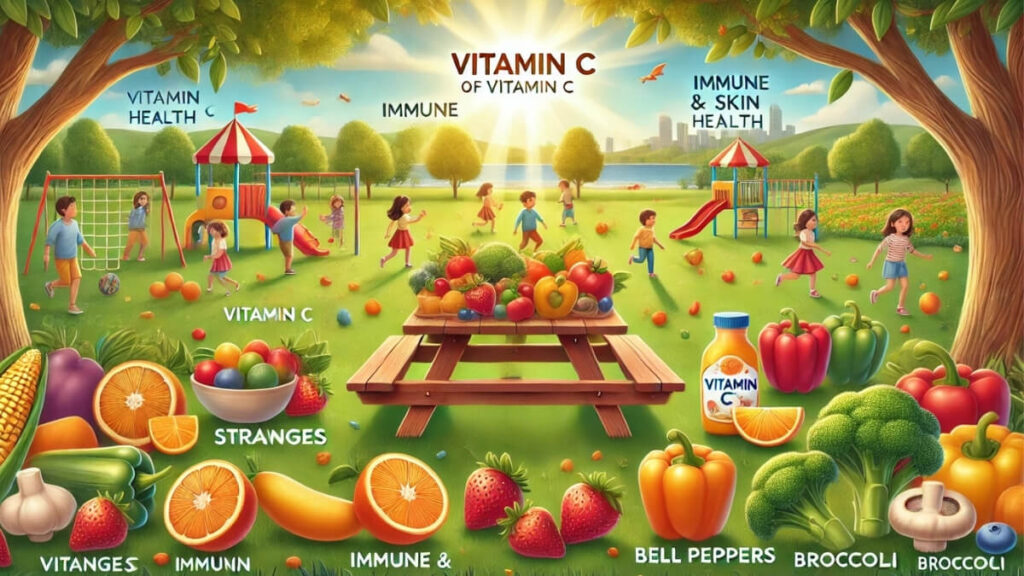
For child development, an essential nutrient is vitamin C, significantly contributing to immune function and skin health. This vitamin acts as a powerful antioxidant, protecting the body from oxidative stress. Dr. Jane Smith, a pediatric nutritionist with the American Academy of Pediatrics, explains, “Vitamin C is crucial for a child’s immune system, helping to ward off infections and illnesses.” Additionally, it promotes collagen production, vital for healthy skin and wound healing. A deficiency in vitamin C can result in scurvy, causing fatigue, irritability, and skin problems. Research from the Journal of Nutrition shows that children with adequate vitamin C levels have better health and resistance to infections. Incorporating vitamin C-rich foods such as citrus fruits, strawberries, and bell peppers into a child’s diet supports their immune system, enhances skin health, and fosters overall growth and development, ensuring long-term well-being.
Vitamin D: Bone and Muscle Development

For bone and muscle development in children, a crucial nutrient is vitamin D. It aids calcium absorption, promoting strong bone health and preventing rickets. According to Dr. Andrew Adesman, a pediatrician at Cohen Children’s Medical Center, “Vitamin D is essential for the growth and development of bones, as well as muscle function.” Deficiency in vitamin D can lead to delayed physical development, weak bones, and increased risk of fractures. Furthermore,research published in the Journal of Clinical Endocrinology & Metabolism indicates that adequate vitamin D levels contribute to improved muscle strength, which is vital for overall physical activity and coordination. Therefore, ensuring children receive enough vitamin D, whether through sunlight exposure, diet, or supplements, is critical for their healthy growth and development. Maintaining adequate vitamin D levels supports both skeletal and muscular development, laying the foundation for lifelong health.
Vitamin E: Antioxidant and Immune Support

In child development, serving as a powerful antioxidant and supporting the immune system, a vital nutrient is vitamin E. It helps protect cells from oxidative stress and inflammation, crucial during periods of rapid growth. Dr. Mark Hyman, a well-known functional medicine physician, states, “Vitamin E is essential for immune function and plays a significant role in overall health during childhood.” Deficiency in vitamin E can lead to weakened immune responses and increased susceptibility to infections, affecting a child’s growth and development. According to a studypublished in the American Journal of Clinical Nutrition, children with adequate vitamin E levels have better immune function and lower inflammation markers. Moreover, vitamin E supports cognitive development, ensuring children can learn and thrive. Therefore, including vitamin E-rich foods such as nuts, seeds, and green leafy vegetables in a child’s diet is crucial for fostering healthy growth and a robust immune system.
Vitamin K: Blood Clotting and Bone Health
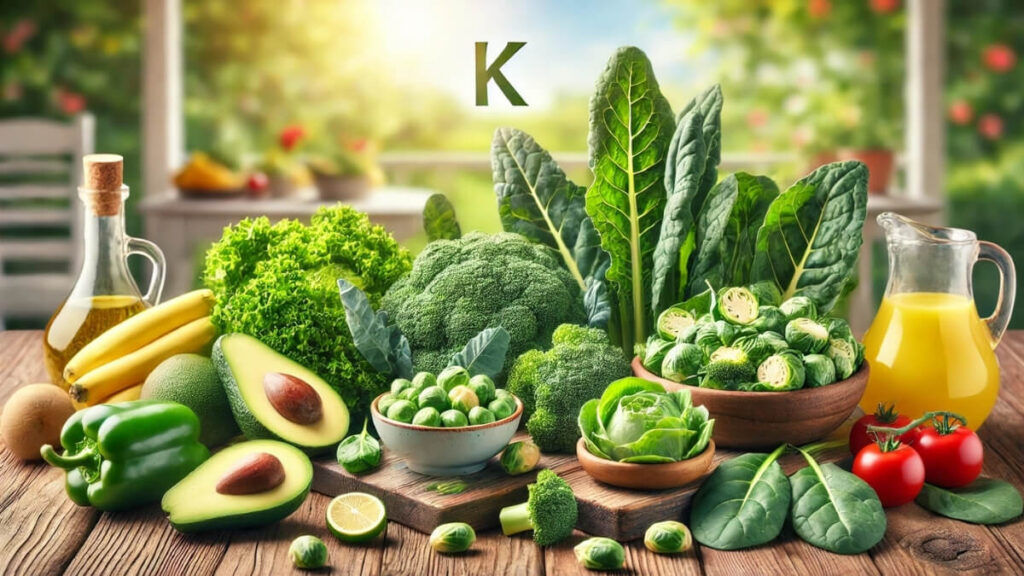
For blood clotting and maintaining bone health in children, an essential nutrient is vitamin K. It plays a critical role in synthesizing proteins that regulate coagulation, which is vital for preventing excessive bleeding. Dr. M. Christina Wells, a pediatric nutritionist, notes, “Vitamin K is crucial for a child’s development, particularly for their growing bones and overall health.” A deficiency in vitamin K can lead to bleeding disorders and may affect bone mineralization, resulting in weaker bones. Research published in the Journal of Bone and Mineral Research indicates that adequate vitamin K levels contribute to improved bone density and reduce the risk of fractures in growing children. Additionally, vitamin K supports the metabolism of calcium, further enhancing bone strength. Therefore, including vitamin K-rich foods, such as leafy greens, broccoli, and fermented foods, in a child’s diet is vital for promoting healthy growth, ensuring proper blood clotting, and strengthening bone health.
Vitamin H (Biotin): Growth and Metabolism

For growth and metabolism in children, a crucial nutrient is vitamin H. This vitamin supports the body’s ability to convert carbohydrates, fats, and proteins into energy, which is essential for healthy development. Dr. Lisa Young, a registered dietitian and nutrition expert, states, “Biotin plays a vital role in a child’s metabolic processes, impacting their overall growth and energy levels.” A deficiency in biotin can lead to symptoms such as hair loss, skin rashes, and developmental delays. Research published in the Journal of Pediatric Gastroenterology and Nutrition emphasizes that adequate biotin levels are necessary for optimal growth and proper functioning of various bodily systems. Moreover, biotin is important for the synthesis of fatty acids and the production of glucose. Consequently, ensuring children receive sufficient biotin through foods like eggs, nuts, and whole grains is essential for supporting their growth, energy levels, and overall health.
Chart of key Vitamins and Their Role in Child Development
Here’s a chart detailing the role of essential vitamins in child development:
| Vitamin | Role in Development | Food Sources | Deficiency Effects |
|---|---|---|---|
| Vitamin A | Supports vision, immune function, and skin health. | Carrots, sweet potatoes, spinach, fortified milk | Vision problems, weakened immunity, skin issues |
| Vitamin B Complex (B1, B2, B6, B12, Folic Acid) | Aids in energy production, brain function, and red blood cell formation. | Whole grains, eggs, dairy, leafy greens | Fatigue, anemia, cognitive delays |
| Vitamin C | Boosts immune defense, skin health, and tissue repair. | Citrus fruits, strawberries, bell peppers | Frequent infections, gum issues, poor wound healing |
| Vitamin D | Essential for calcium absorption, bone and muscle health. | Sunlight, fortified dairy, fish | Weak bones, delayed motor skills, risk of rickets |
| Vitamin E | Acts as an antioxidant, supports immune function and skin health. | Nuts, seeds, spinach, broccoli | Impaired immunity, slow wound healing |
| Vitamin K | Necessary for blood clotting and bone health. | Leafy greens, broccoli, liver | Bleeding issues, poor bone health |
| Vitamin H (Biotin) | Supports growth and metabolism, converting food into energy. | Eggs, almonds, spinach, dairy | Hair loss, skin rashes, fatigue |
This chart highlights the critical role of each vitamin, its primary food sources, and what health issues can arise from deficiencies. Ensuring children receive adequate vitamins supports their holistic development and resilience.
How to Ensure Adequate Vitamin Intake for Children
A balanced diet with fruits, vegetables, grains, and proteins helps children get essential vitamins. This is the best way to support their health. Here are some practical tips for parents, caregivers, and educators to consider:
Emphasize Whole Foods Over Supplements
To ensure children receive essential vitamins, focusing on whole foods is key. “Natural foods provide vitamins in their most effective forms,” says Dr. Lisa Montoya, a pediatric nutritionist. She explains that whole foods often come with added fiber, minerals, and other beneficial compounds that supplements lack. While supplements can be useful, they should primarily serve as a backup rather than the main source. Transitioning to a diet rich in colorful fruits, vegetables, whole grains, and lean proteins provides a broad spectrum of nutrients. Dr. Montoya adds, “For children, whole foods are always preferred for promoting optimal growth and health.”
Include a Variety of Colors in Meals
To ensure children get a range of vitamins, including a variety of colors in meals is essential. “Fruits and vegetables come in a spectrum of colors, each indicating different nutrients,” says Dr. Hannah Lee, a pediatric dietitian. For example, orange foods like carrots offer vitamin A, while leafy greens provide vitamins K and E. Dr. Lee emphasizes, “A colorful plate is often a nutritious plate.” By incorporating diverse colors, parents can naturally provide essential vitamins that support growth and immune health. Transitioning to vibrant, colorful meals makes nutrition both fun and effective for children’s development.
Encourage Regular Outdoor Activity for Vitamin D
Encouraging regular outdoor play is key for children’s vitamin D intake, as sunlight stimulates the body’s production of this essential vitamin. “Vitamin D is unique in that the body can produce it through sun exposure,” explains Dr. Kevin Shaw, a pediatric health specialist. Encouraging outdoor activities, especially in the morning or late afternoon, can help boost vitamin D levels naturally. Dr. Shaw adds, “Outdoor play not only supports vitamin D but also promotes physical activity, which is crucial for overall growth.” This approach provides a dual benefit, fostering both healthier bones and a more active lifestyle for children.
Be Mindful of Cooking Methods
To preserve essential vitamins in meals, it’s crucial to consider cooking methods. “Some vitamins, like vitamin C and B vitamins, are water-soluble and can be lost during cooking,” explains Dr. Sarah Kim, a nutrition expert. Steaming or roasting vegetables, rather than boiling them, helps retain more of these vital nutrients. Dr. Kim emphasizes, “Small adjustments in cooking can make a big difference in the nutrient content of meals.” By using these methods, parents can help children get full vitamin benefits from food. This supports better health and long-term development.
Consider Fortified Foods When Necessary
For children with dietary restrictions or picky eating habits, fortified foods can help meet their vitamin needs effectively.. “Fortified foods can help bridge nutritional gaps, especially when certain foods aren’t an option,” says Dr. Emily Roberts, a child nutrition specialist. For example, fortified cereals often provide essential nutrients like B vitamins, vitamin D, and iron, which support growth and development. Dr. Roberts adds, “While whole foods are ideal, fortified options can be helpful in ensuring children get the nutrients they need.” Transitioning to these foods can offer a practical solution for balanced nutrition in challenging situations.
Signs of Vitamin Deficiency to Watch For
Understanding the signs of vitamin deficiency can be essential for early intervention. Here are some common signs to watch for:
- Pale Skin: This can indicate a lack of iron or vitamin B12.
- Frequent Infections: A weak immune system could signal vitamin A or C deficiency.
- Fatigue and Weakness: This may result from low levels of vitamin B or D.
- Delayed Physical Growth: Vitamin D and calcium deficiencies can slow down physical development.
- Cognitive Challenges: Children low in B vitamins may গ difficulties with concentration or memory.
Tips for Healthcare Professionals and Policy Makers
Healthcare professionals and policymakers play a crucial role in promoting children’s nutritional well-being. Dr. James Carter, a pediatric nutrition expert, explains, “Healthcare providers can actively educate parents on the significance of vitamins and practical strategies for incorporating nutrient-rich foods.” Moreover, transitioning from guidance to action, professionals empower families to make informed dietary choices. Meanwhile, policymakers support this mission by funding programs that provide accessible nutritional information, helping parents and caregivers make better choices. “Community programs are essential to spreading knowledge and fostering healthier habits,” Dr. Carter adds. Together, these efforts ensure children receive the nutrition needed for growth.
Here are some tips for Healthcare Professionals and Policy Makers:
Promote Nutritional Education
Promoting nutritional education is essential for children’s health, and healthcare professionals and policymakers play a pivotal role in this effort. “Healthcare providers can guide parents on the importance of vitamins and suggest practical ways to incorporate nutrient-rich foods into children’s diets,” says Dr. Olivia Martin, a pediatric nutrition advisor. By offering specific tips, they can make healthy eating more accessible for families. Meanwhile, policymakers can support community programs that provide nutritional information to families and caregivers. Dr. Martin emphasizes, “Education empowers parents to make informed choices.” Together, healthcare experts and policymakers can help build healthier communities by prioritizing child nutrition.
Support Fortification Programs
Supporting fortification programs is essential to improve vitamin intake in children. This is especially important in areas with food insecurity or limited access to fresh produce.“In regions where nutritious food is scarce, fortification of staple foods can make a significant difference,” explains Dr. Lisa Tran, a public health nutritionist. By enriching commonly consumed items, such as bread and cereals, we can enhance the nutrient content and address deficiencies. Transitioning to robust fortification policies can have a large-scale impact on child health. Dr. Tran emphasizes, “These initiatives are crucial for ensuring that every child has access to the essential vitamins they need for healthy development.”
Encourage Routine Check-ups
Encouraging routine health check-ups is essential for monitoring children’s growth and identifying any nutritional deficiencies early. “Regular check-ups allow healthcare providers to detect potential vitamin deficiencies before they become serious issues,” says Dr. Rachel Harris, a pediatrician specializing in nutrition. Moreover, these visits often include blood tests that can assess levels of vitamin D, B12, and iron, providing valuable insights. As a result, transitioning to proactive healthcare means that parents and caregivers can receive guidance on necessary dietary adjustments. Dr. Harris emphasizes, “Early detection and intervention are key to ensuring children receive the essential vitamins they need for optimal growth and development.” Therefore, regular check-ups are crucial for supporting long-term health.
Supporting Optimal Growth Through Balanced Nutrition
The role of vitamins in child development is critical for physical, mental, and emotional growth. For instance, “Vitamins are crucial for creating a strong foundation in children’s health,” says Dr. Lisa Carter, a pediatric nutrition expert. Additionally, a balanced diet with colorful fruits, vegetables, and grains ensures children receive essential nutrients. Moreover, encouraging outdoor play naturally boosts vitamin D, supporting strong bones. Therefore, these small steps help establish healthy habits early, promoting long-term well-being. By understanding the role of vitamins in child development, caregivers can make informed dietary choices, ensuring children grow strong, healthy, and ready for future success.
In conclusion, the role of vitamins in child development is fundamental to supporting growth, cognitive function, and immunity. By focusing on a balanced, nutrient-rich diet, caregivers can help children thrive. Small steps today, like incorporating varied whole foods, can lead to lasting positive effects on children’s health and future.
Vitamins are crucial for supporting growth, immune health, and brain function in children. Each vitamin plays a unique role; for instance, vitamin D supports bone strength, while vitamin C boosts immunity.
The best sources are whole foods like fruits, vegetables, whole grains, and lean proteins. These foods naturally contain vitamins in forms that are easily absorbed and beneficial for children’s health.
In most cases, a balanced diet provides sufficient vitamins. However, if there are dietary restrictions or specific needs, consult a healthcare provider about possible supplementation.
