


Minerals play a crucial role in child growth and overall health. Essential for supporting everything from bone strength to brain function, minerals are nutrients that no growing child should miss. Calcium, iron, zinc, and magnesium are just a few examples, each playing a unique part in development. Without adequate mineral intake, children may face challenges in growth, immunity, and cognitive function. For parents and caregivers, understanding the importance of these nutrients is key. In this blog post, we will explore the importance of minerals in child development, their specific benefits, and practical tips for ensuring that children receive adequate mineral intake.
Understanding Minerals
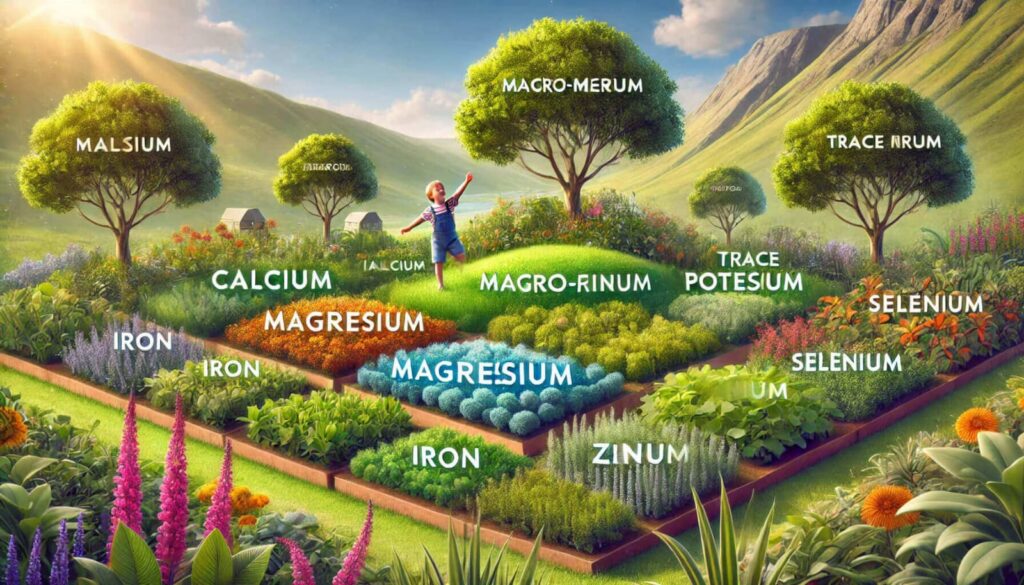
Minerals are inorganic substances that the body needs to function correctly. They are divided into two categories: macro-minerals and trace minerals.
Macro-minerals: The Foundation of Healthy Growth in Children
Macro-minerals are minerals required in larger quantities, playing a foundational role in a child’s growth and development. Key macro-minerals include calcium, magnesium, and potassium, each supporting different essential functions within the body. According to Dr. James Anderson, a pediatric nutritionist, “Macro-minerals are the building blocks of a child’s physical development. Without them, growth and health cannot reach their full potential.” Firstly, calcium is well-known for its role in strengthening bones and teeth. During childhood, bones develop rapidly, and sufficient calcium intake is essential for building a strong skeletal structure. Dairy products, leafy green vegetables, and fortified juices are great sources of calcium that fit well into children’s diets.
Magnesium, on the other hand, plays a significant role in muscle function and energy production. It aids in muscle relaxation and contraction, which is particularly beneficial for children who are constantly moving and active. Dr. Linda Thompson, a child development specialist, emphasizes that “Magnesium is vital for both physical activity and mental focus in children.” Lastly, potassium is crucial for maintaining proper fluid balance, which impacts muscle and nerve function. Bananas, oranges, and potatoes are excellent sources that are easy to incorporate into meals. Collectively, these macro-minerals are essential not only for physical health but also for cognitive and emotional development. By incorporating foods rich in calcium, magnesium, and potassium, parents can help establish a strong foundation for their children’s growth and long-term health.
Trace Minerals: Small But Mighty for Child Development
While trace minerals are needed in smaller amounts, they are no less critical to a child’s growth and well-being. Trace minerals like iron, zinc, and selenium play vital roles in various physiological processes, supporting immunity, cognitive function, and cellular health. Iron, for instance, is essential for transporting oxygen throughout the body. According to Dr. Sarah Lee, a pediatric nutritionist, “Iron is fundamental for brain development and energy, especially in growing children.” Iron deficiency, which is common among children, can lead to fatigue, reduced concentration, and learning difficulties. Foods like lean meats, beans, and fortified cereals are excellent sources of iron that can help support these needs.
Zinc is another powerful trace mineral crucial for immune health, cell growth, and wound healing. It has been shown to enhance memory and support learning, making it a valuable nutrient during the early years of development. Nuts, seeds, and whole grains are rich in zinc and easy to include in snacks and meals. Selenium, though required in tiny amounts, acts as a strong antioxidant, protecting cells from damage and boosting immune resilience. Dr. John Mitchell, a child health expert, explains, “Selenium plays an irreplaceable role in supporting cellular health and immunity.” Foods like eggs, fish, and Brazil nuts contain selenium, helping to keep children healthy and strong.
Together, these trace minerals create a foundation for robust physical and mental development. Even in small quantities, their impact is profound, making them essential for a balanced diet and overall child wellness.
Both categories contribute to various bodily functions, including the formation of bones, teeth, and enzymes.
The Importance of Macro-Minerals and Trace Minerals for Child Growth and Development
Here’s a chart that illustrates the importance of macro-minerals and trace minerals for child growth and development:
| Category | Mineral | Required Amount | Functions |
|---|---|---|---|
| Macro-minerals | Calcium | Large | Essential for bone and teeth formation, muscle function, and nerve signaling. |
| Magnesium | Large | Supports muscle function, energy production, and bone health. | |
| Potassium | Large | Regulates fluid balance, muscle function, and nerve signals. | |
| Trace minerals | Iron | Small | Vital for oxygen transport in blood and cognitive development. |
| Zinc | Small | Supports immune function, wound healing, and growth. | |
| Selenium | Small | Protects cells from damage, supports immune system, and aids metabolism. |
Both macro and trace minerals are essential for supporting various bodily functions like growth, development, immune function, and muscle health, making them crucial for minerals & child growth.
The Role of Minerals in Child Development
Minerals play a critical role in in Child Development, serving as building blocks for healthy development. They are essential for strong bone formation, with calcium and phosphorus playing key roles in bone density. Furthermore, minerals like iron and zinc support cognitive function and boost the immune system, ensuring children can learn and thrive. Adequate mineral intake contributes to energy levels and overall vitality, which is crucial during the formative years. By recognizing the importance of minerals & child growth, parents can prioritize nutrient-rich foods that support their child’s health and development.

Bone Health
Minerals are essential for child development, particularly for maintaining strong bone health. Calcium and phosphorus play critical roles in developing robust bones, especially during the rapid growth that occurs in childhood. Adequate calcium intake is crucial, as it helps prevent conditions like rickets and osteoporosis later in life. According to Dr. Emily Chen, a pediatric nutrition expert, “Sufficient calcium intake during childhood sets the foundation for lifelong bone health.” Children who consume calcium-rich foods, such as dairy products and leafy greens, often achieve better bone density.Incorporating foods like yogurt, cheese, and fortified plant-based alternatives can significantly boost calcium levels. Additionally, phosphorus, found in meats, fish, and nuts, works alongside calcium to enhance bone strength. Therefore, prioritizing these essential minerals in a child’s diet is vital for their overall development. By ensuring that children receive adequate mineral intake, parents can support strong, healthy bones that will benefit them throughout their lives.
Cognitive Function
Minerals play a significant role in cognitive function, with iron and zinc being particularly crucial for brain development. Iron deficiency can lead to serious learning difficulties and decreased attention spans in children. According to Dr. Sarah Thompson, a child development specialist, “Adequate iron levels are essential for optimal brain function and focus.” To combat iron deficiency, parents should encourage the consumption of iron-rich foods, such as lean meats, beans, and fortified cereals. These foods not only support healthy brain development but also enhance overall cognitive abilities. Additionally, zinc plays a vital role in memory and learning. It is found in various foods, including meat, shellfish, and legumes, and is essential for proper neural function. Thus, incorporating these mineral-rich foods into a child’s diet is vital. By prioritizing iron and zinc, parents can help ensure their children reach their full cognitive potential and thrive in their educational pursuits.
Immune System Support
Minerals are essential for a strong immune system, particularly zinc and selenium, which are vital for producing immune cells. A well-functioning immune system helps protect children from frequent illnesses, allowing them to grow and develop without interruptions. Dr. Laura Bennett, a pediatric immunologist, emphasizes, “Zinc and selenium play a critical role in building immunity, especially during childhood.” Zinc supports the production of white blood cells, which are essential for fighting infections, while selenium helps reduce inflammation, enhancing overall immune response. Foods such as nuts, seeds, and whole grains are excellent sources of these minerals and can easily be incorporated into a child’s diet. Additionally, ensuring a balanced mineral intake can make a noticeable difference in a child’s ability to resist common infections and recover faster. By prioritizing these immune-boosting nutrients, parents can support their children’s health and give them the foundation for stronger, more resilient growth.
Muscle Function
Magnesium is a key mineral that supports muscle function and energy production, making it essential for active children. This mineral plays an important role in muscle contraction and relaxation, helping kids stay active and engaged in physical activities. Dr. James Parker, a pediatric nutrition expert, explains, “Magnesium is crucial for maintaining healthy muscle function and preventing cramps in children.” Without sufficient magnesium, children may experience muscle fatigue, which can impact their energy levels and participation in daily activities. Fortunately, magnesium can be found in various easily accessible foods, such as bananas, avocados, and nuts, making it simple to incorporate into a child’s diet. Additionally, magnesium supports energy metabolism, ensuring children have the vitality they need for growth and learning. By including magnesium-rich foods, parents can help promote better muscle function, allowing children to enjoy a healthy, active lifestyle without limitations.
Hormonal Balance
Minerals like iodine play a crucial role in maintaining hormonal balance, particularly by supporting thyroid function. The thyroid gland is responsible for regulating metabolism and energy levels, both of which are essential for children’s growth and development. Dr. Karen Lewis, an endocrinologist, explains, “Adequate iodine intake is key to a well-functioning thyroid, which in turn helps manage a child’s energy and metabolic health.” Without enough iodine, children can face challenges with energy levels and growth, as the thyroid may struggle to produce essential hormones. Fortunately, iodine can be readily obtained through common foods like fish, dairy products, and iodized salt. Additionally, ensuring children consume sufficient iodine supports not only their metabolic health but also their cognitive and physical development. By including iodine-rich foods in their diet, parents can help promote stable hormonal balance, allowing children to maintain healthy energy levels and overall well-being.
Tips for Ensuring Adequate Mineral Intake
To support minerals & child growth, parents can focus on providing a balanced diet rich in mineral-dense foods. Including a variety of fruits, vegetables, whole grains, lean proteins, and dairy ensures children receive essential nutrients like calcium, iron, and zinc. Additionally, consulting a healthcare provider for guidance on mineral supplements can further help in maintaining healthy growth and development.

Diversify the Diet
Encouraging a diverse diet is key to ensuring minerals & child growth. Including fruits, vegetables, whole grains, lean proteins, and dairy helps children obtain essential minerals from each food group. Dr. Lisa Turner, a pediatric dietitian, emphasizes, “A varied diet supports balanced growth and health in children.” Dairy offers calcium for bones, leafy greens provide iron for cognition, and nuts deliver magnesium for muscle function, promoting comprehensive development.
Focus on Whole Foods
Focusing on whole foods is key for supporting minerals & child growth. Unlike processed foods, whole foods like nuts, seeds, legumes, and fresh produce are rich in essential minerals and nutrients. Dr. Emily Carter, a nutrition expert, emphasizes, “Whole foods provide a natural, nutrient-dense source of minerals crucial for child development.” Prioritizing these foods helps ensure children receive well-rounded nutrition, promoting their overall health and reducing the risk of deficiencies.
Monitor Portion Sizes
Monitoring portion sizes is essential for maintaining minerals & child growth. Serving the right portions based on a child’s age and activity level supports balanced mineral intake and helps prevent deficiencies. Dr. Sarah Mitchell, a pediatric nutritionist, advises, “Proper portion sizes ensure children get the nutrients they need without excess.” By tailoring portions, parents can help their children achieve a balanced diet, supporting steady growth and child health development.
Educate on Healthy Choices
Educating children on healthy choices plays a crucial role in minerals & child growth. Teaching kids about nutritious foods and involving them in meal planning can spark their interest in eating well. Dr. Anna Reid, a child nutrition specialist, shares, “When children understand the benefits of healthy foods, they’re more likely to make nutritious choices.” Engaging them in selecting and preparing meals encourages lifelong habits that support balanced growth and health.
Consult Healthcare Professionals
Regular consultations with healthcare professionals are essential for monitoring minerals & child growth. Through check-ups, doctors can assess mineral levels and address any deficiencies. Dr. Mark Evans, a pediatrician, explains, “Routine evaluations help ensure children receive the minerals necessary for healthy development.” If concerns arise, healthcare providers may recommend specific dietary changes or supplements to support balanced growth, ensuring that children get the nutrients they need for optimal health.
In conclusion, minerals are vital for children’s healthy development, influencing bone strength and cognitive function. By focusing on a diet rich in essential minerals, parents and caregivers can enhance their child’s growth. Making mineral-rich foods a priority fosters better health outcomes. Understanding the link between minerals & child growth is crucial for supporting overall development. With the right nutrition, children can thrive and reach their full potential.

4 Comments
The blog post explore the importance of minerals in child development, their specific benefits, and practical tips for ensuring that children receive adequate mineral intake.ami
Minerals are essential for a child’s growth and development. They play a crucial role in building strong bones, boosting immunity, and supporting overall health. This article beautifully highlights the importance of nutrients like calcium, iron, and zinc for physical and mental well-being. Parents must ensure their kids get a balanced diet rich in these vital minerals for a healthy future.
Minerals play a vital role in a child’s growth and development! Ensuring proper nutrition helps build a strong foundation for their future health.
minerals are vital for children’s healthy development, influencing bone strength and cognitive function.